For most of the last century, travellers came to Sri Lanka for beaches, elephants and tea. Ayurveda was here the whole time — not as a spa amenity but as a functioning system of medicine, with government-registered physicians, university faculties and a village practitioner within reach of almost every community on the island. What has changed over the past decade is the demand.
A tradition that never became a product
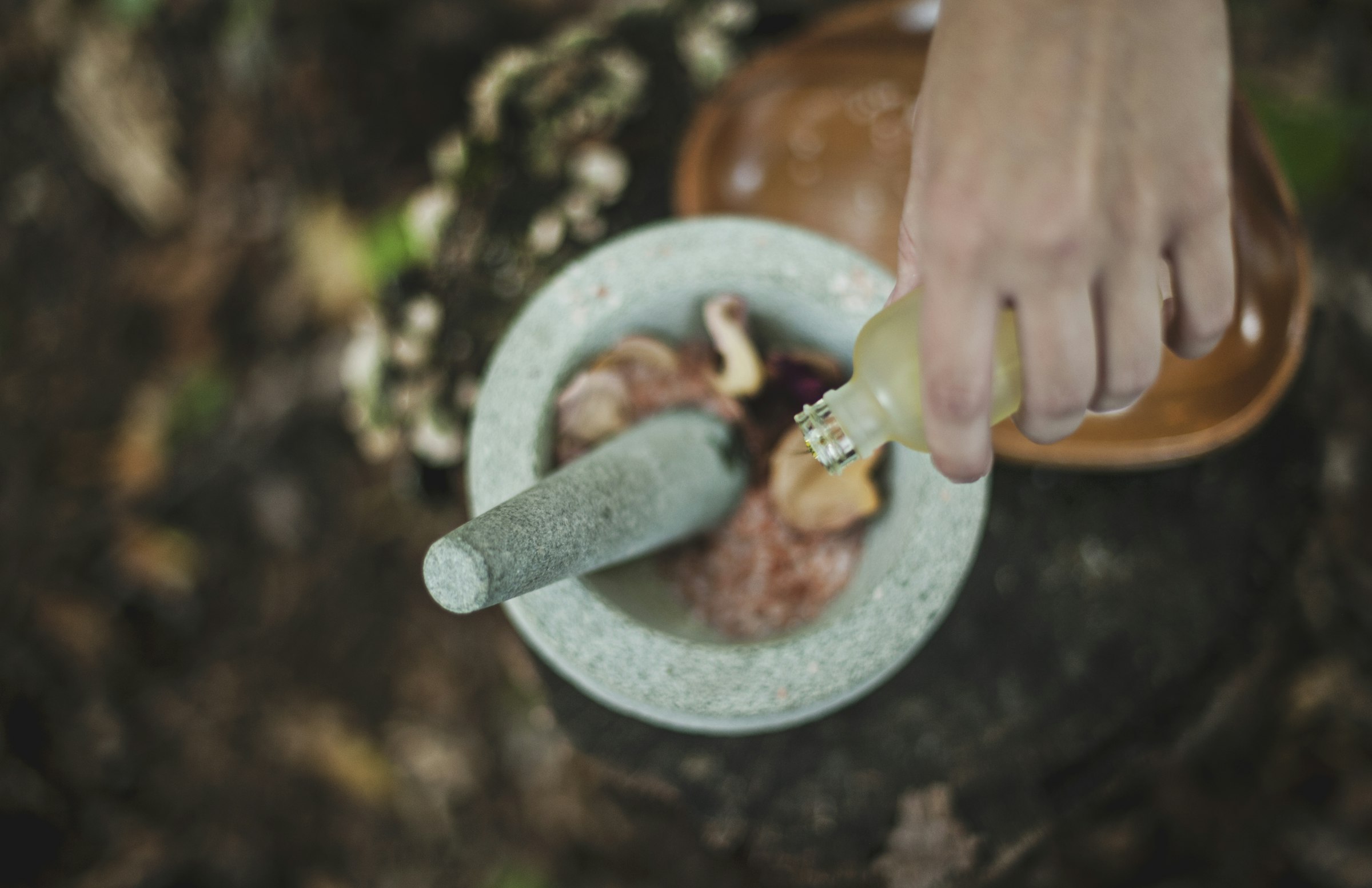
Ayurveda arrived in Sri Lanka more than two millennia ago and settled into something distinct from its Indian parent, absorbing the island's own Deshiya Chikitsa — indigenous medicine built around local plants. Around 60 to 70 per cent of the rural population still uses it as a first resort for everyday complaints. That matters for a visitor, because it means the practitioners treating you are not performing a tradition for tourists. They are doing their normal job.
The Department of Ayurveda, established in 1961, registers physicians, licenses medicine manufacture and inspects treatment centres. Sri Lanka is one of very few countries where a traditional medical system sits inside the state health structure rather than beside it. For a traveller trying to judge whether a centre is legitimate, that register is the single most useful thing to ask about.
Why travellers are choosing it now
Three shifts explain the growth. The first is a change in what people want from a holiday: after 2020, a great many travellers stopped wanting itineraries and started wanting rest. The second is length of stay — wellness travellers book ten, fourteen, twenty-one nights, which suits an island small enough to cross in a day but varied enough to hold your interest. The third is simple economics. A three-week physician-supervised programme in Sri Lanka costs a fraction of the European equivalent, and the tradition is native rather than imported.
The geography does unusual work
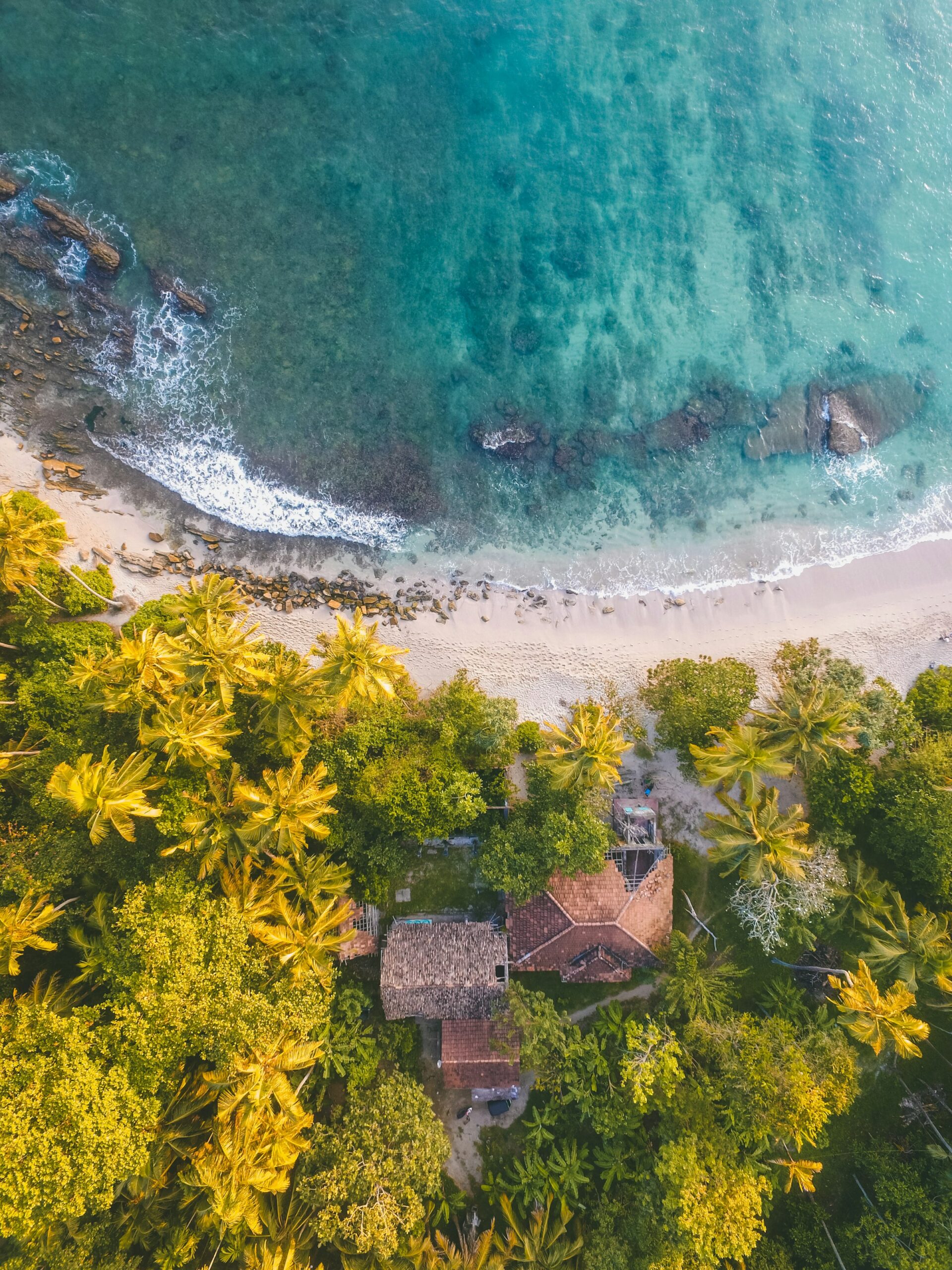
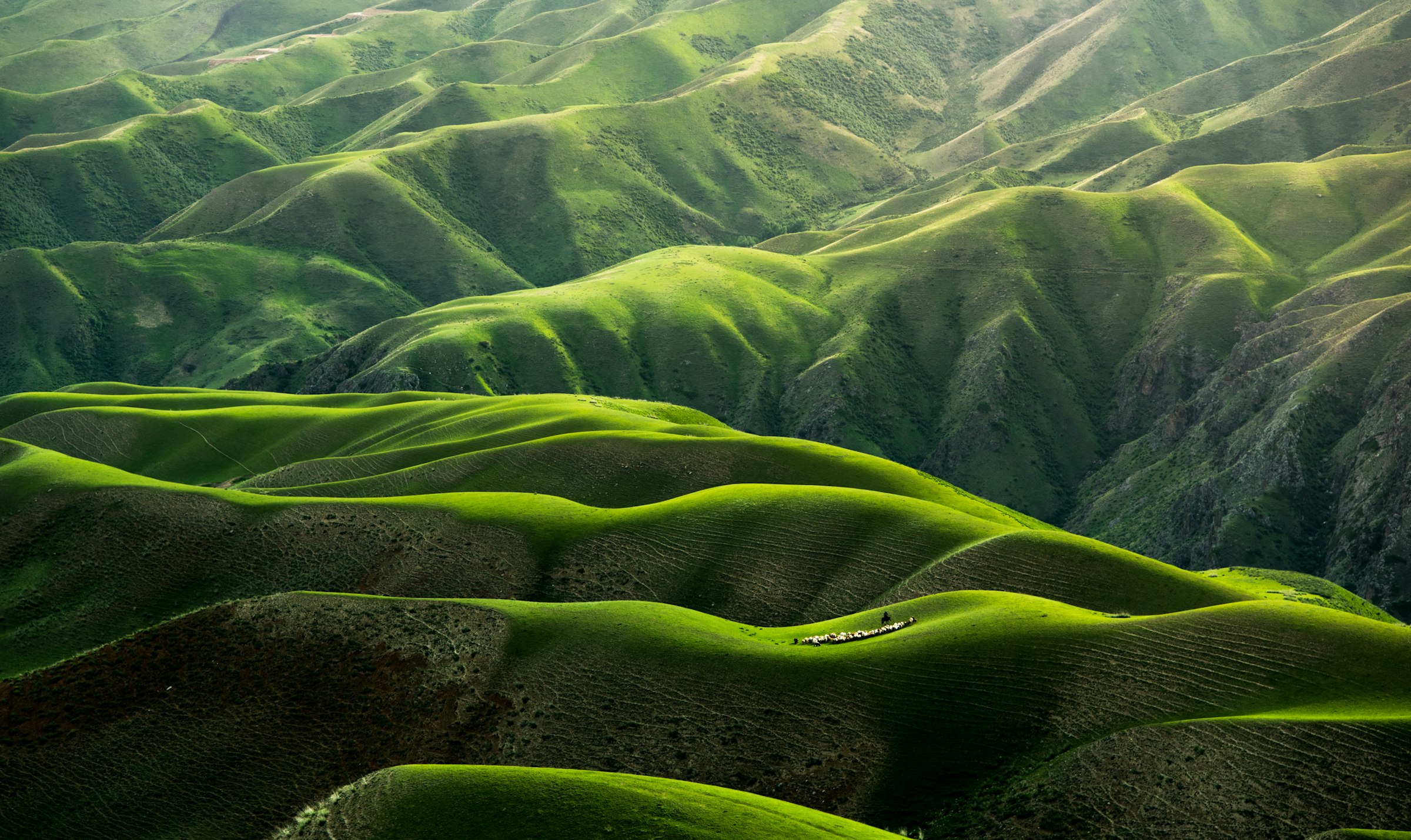
Sri Lanka is 65,610 square kilometres — smaller than Ireland — and yet you can begin a morning at sea level on the south coast and sleep that night at 1,900 metres in tea country where you will want a fire. Two monsoons mean that some part of the island is always in season. For a wellness journey this is genuinely useful: the coast for warmth and treatment, the highlands for sleep and walking, rainforest for quiet, all within a few hours' drive.
What to be careful about
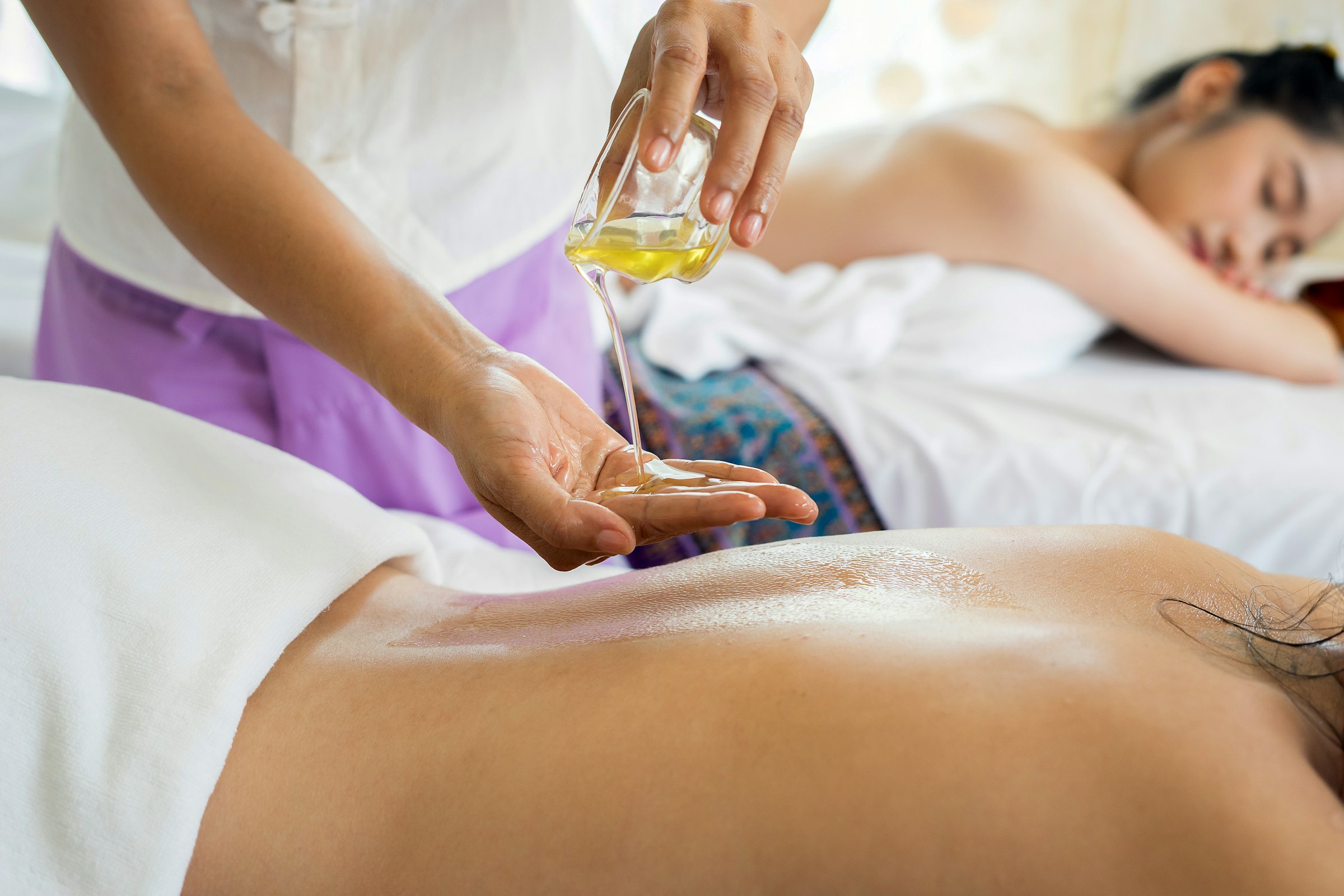
Growth brings imitation. The word Ayurveda now appears on hotel spa menus offering a 60-minute "Ayurvedic massage" with no consultation, no physician and no herbal prescription. That is a nice massage; it is not Ayurveda. The distinction is easy to test. Ask whether a registered physician will examine you before treatment, whether the medicine is prescribed individually, and whether the kitchen cooks to that prescription. If the answer to all three is yes, you are in the right place.
Where this is heading
The centres that will define Sri Lankan wellness over the next decade are mostly small — twelve to twenty rooms, often family-owned, frequently a physician's own practice with accommodation attached. They are not chasing volume. For travellers, that means booking earlier and accepting simpler rooms in exchange for better medicine. It is, we think, a very good trade.