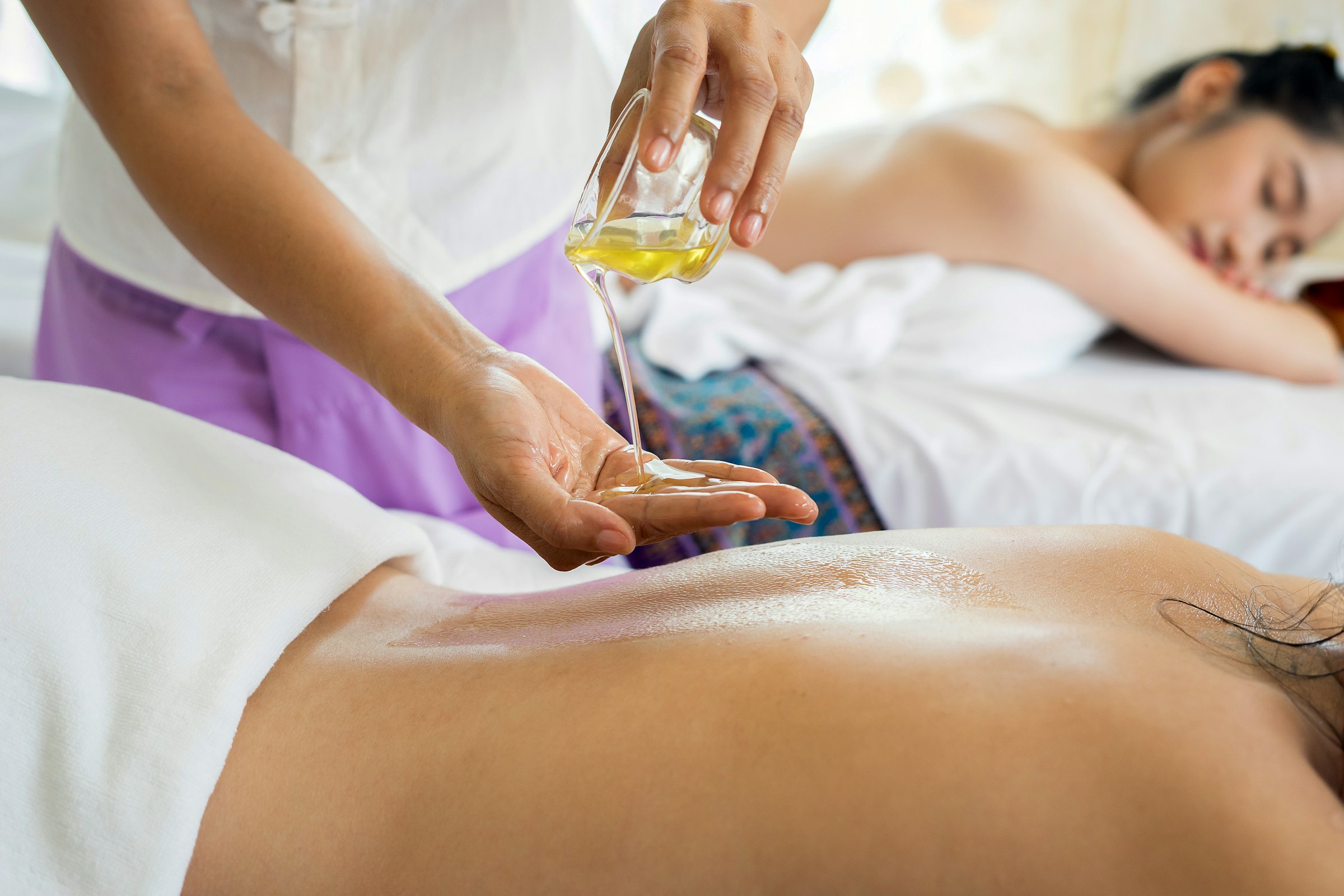
Most people arrive at an Ayurvedic centre with an idea shaped by spa brochures, and are mildly disoriented for about forty-eight hours. It helps to know the shape of the week in advance.
Day one: arrival, and not much else
You will probably be given a herbal drink, shown a modest room and left alone. Treatment does not usually begin on the day you arrive; the physician wants to see you rested rather than jet-lagged. Dinner will be early — often before 7pm — and lighter than you expect.
Day two: the consultation
This is the part that surprises people. A registered physician will take your pulse at three points, look at your tongue and eyes, and then ask questions for anything from twenty minutes to an hour: how you sleep, when you wake, how your digestion behaves, what your work is like, what you are worried about. It is more thorough than most people's annual check-up, and it determines everything that follows.
From this the physician identifies your constitution — the balance of vata, pitta and kapha — and writes a treatment plan, a herbal prescription and a diet. Two guests arriving on the same day will often be given noticeably different programmes.
The daily rhythm
Once treatment begins, days settle into a pattern that rarely varies: yoga or breathing around 6:30am, herbal medicine before breakfast, treatments through the morning, lunch as the main meal of the day, then a long, deliberately empty afternoon. A second, lighter treatment sometimes follows. Dinner is early and simple. Most guests are asleep by 9:30pm by the end of the first week, which is usually the point.
The treatments themselves
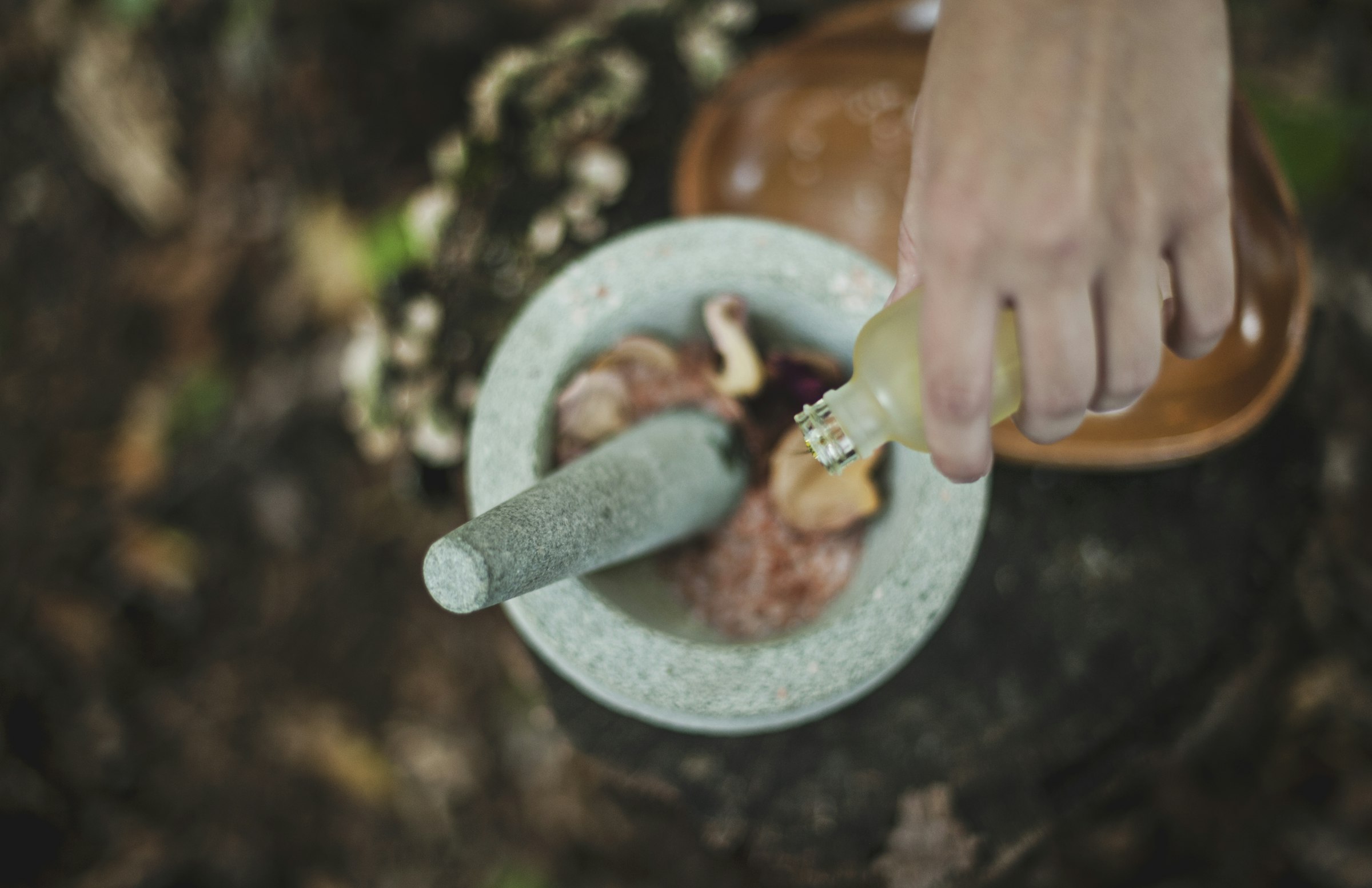
Abhyanga is a synchronised warm-oil massage, often by two therapists, using oil medicated for your constitution. Shirodhara pours a slow, continuous stream of warm oil across the forehead for twenty to forty minutes and is the treatment guests most often describe as the moment something shifted. Swedana is a herbal steam. Pinda Thel Nawula, a Sri Lankan speciality, uses heated herbal boluses. Most involve a great deal of oil, in your hair, and you will stop caring by day three.
The food
Ayurvedic food in Sri Lanka is cooked to prescription rather than to preference: red rice, jackfruit and gourd curries, gotu kola sambol, mung dhal, and kola kenda — a green herbal porridge — at breakfast. There will be no alcohol, usually no coffee, and less variety than you are used to. It is also, unexpectedly, delicious.
Day three is the hard one
Almost everyone hits a wall between days three and four: caffeine withdrawal, an oddly flat mood, and the realisation that there is genuinely nothing to do. This is normal, the physicians expect it, and it passes. By day five most guests have stopped resisting the schedule, and by day six they are sleeping properly for the first time in months.
How to prepare
- Book at least seven nights. Anything shorter is a spa break, not a programme.
- Reduce caffeine and alcohol in the week before you fly — it makes the first days much easier.
- Bring loose, dark, old clothes. Oil does not wash out.
- Declare medication, health conditions and pregnancy on your enquiry, not on arrival.
- Download things to read. Expect no schedule, and no entertainment programme.
None of this replaces medical care, and a good physician will tell you plainly when something is outside their scope. But as a way to interrupt a pattern of exhaustion, a properly run Ayurvedic week is remarkably effective — and Sri Lanka remains one of the best places on earth to try it.