01
Abhyanga
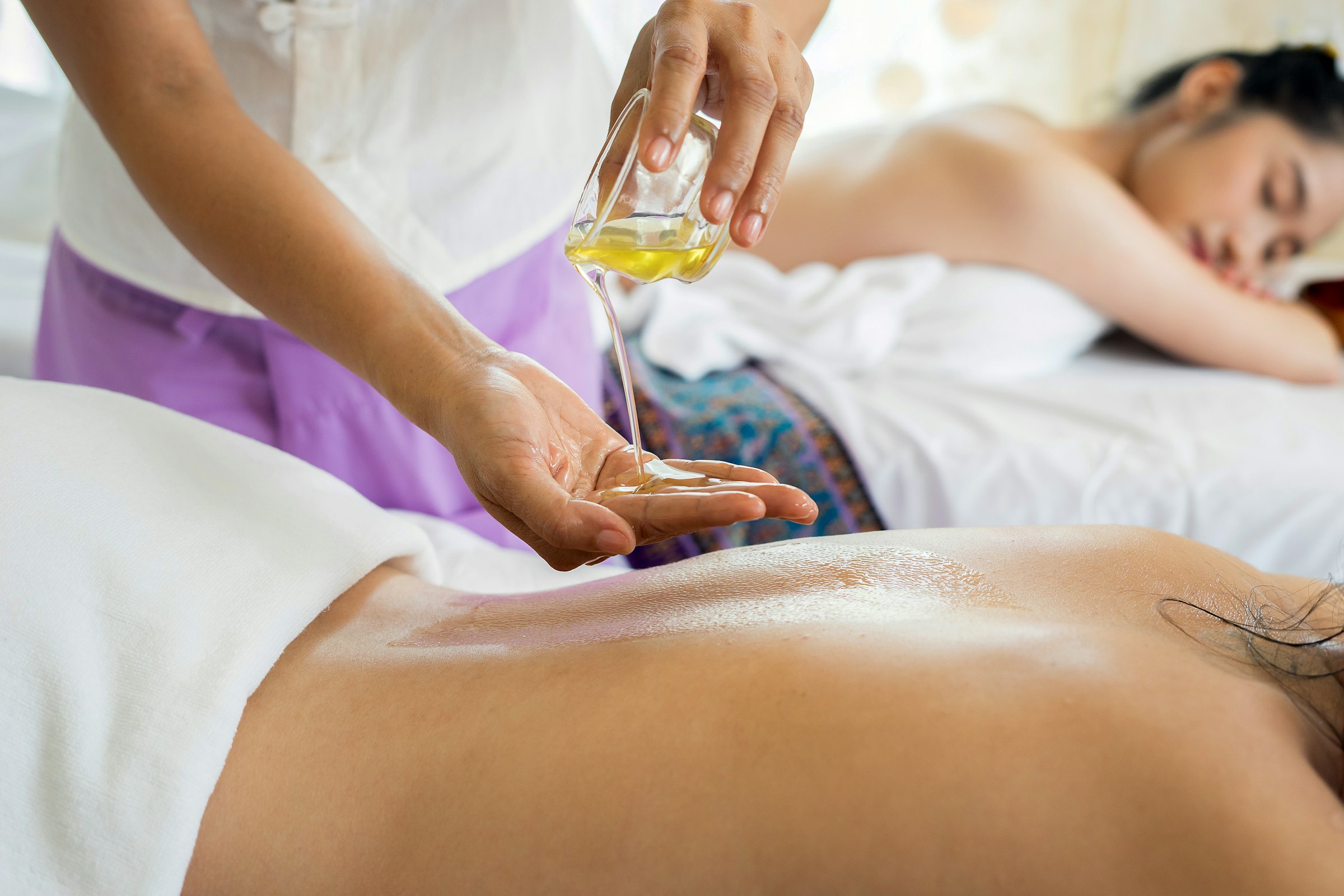
A synchronised warm-oil massage, usually by two therapists working in rhythm, with oil medicated for your constitution. Traditionally used to support circulation, sleep and the release of physical tension.
Physician-led programmes in the tradition this island has practised continuously for two thousand years.
Ayurveda arrived in Sri Lanka more than two millennia ago and became something distinct from its Indian parent, absorbing the island’s own indigenous medicine, Deshiya Chikitsa, built around local plants.
It is still ordinary here. Around two-thirds of the rural population turns to Ayurveda first for everyday complaints, and the Department of Ayurveda — part of the state health structure since 1961 — registers physicians, licenses medicine manufacture and inspects treatment centres.
That matters for a visitor. The physician treating you is not performing a tradition for tourists; they are doing their normal job.
You will probably not be treated on the day you arrive. Physicians prefer to see you rested rather than jet-lagged, so day one is a herbal welcome drink, a modest room, an early dinner and a great deal of sleep.
On your first full morning a registered physician takes your pulse at three points, examines your tongue and eyes, and then asks questions for anything from twenty minutes to an hour: how you sleep, when you wake, how your digestion behaves, what your work is like, what is worrying you. It is more thorough than most people’s annual check-up.
From this they identify your constitution — the balance of vata, pitta and kapha — and write a treatment plan, a herbal prescription and a diet. Two guests arriving on the same day are often given noticeably different programmes.
Yoga or breathing around 6:30am. Medicine before breakfast. Treatments through the morning. Lunch as the main meal. Then a long, deliberately empty afternoon, an early dinner, and bed by 9:30pm. Almost everyone hits a wall on day three — caffeine withdrawal, a flat mood, the realisation that there is nothing to do. The physicians expect it. It passes.
Ask three questions before you book anywhere: will a registered physician examine me before treatment, is the herbal medicine prescribed individually, and does the kitchen cook to that prescription? If the answer to all three is yes, you are in the right place. If a hotel offers a sixty-minute “Ayurvedic massage” with no consultation, that is a nice massage — enjoy it, but it is not Ayurveda.
Your physician chooses and sequences these for you. This is a guide to what the words mean, not a menu to order from.
A synchronised warm-oil massage, usually by two therapists working in rhythm, with oil medicated for your constitution. Traditionally used to support circulation, sleep and the release of physical tension.
A slow, continuous stream of warm oil poured across the forehead for twenty to forty minutes. The treatment guests most often describe as the moment something shifted.
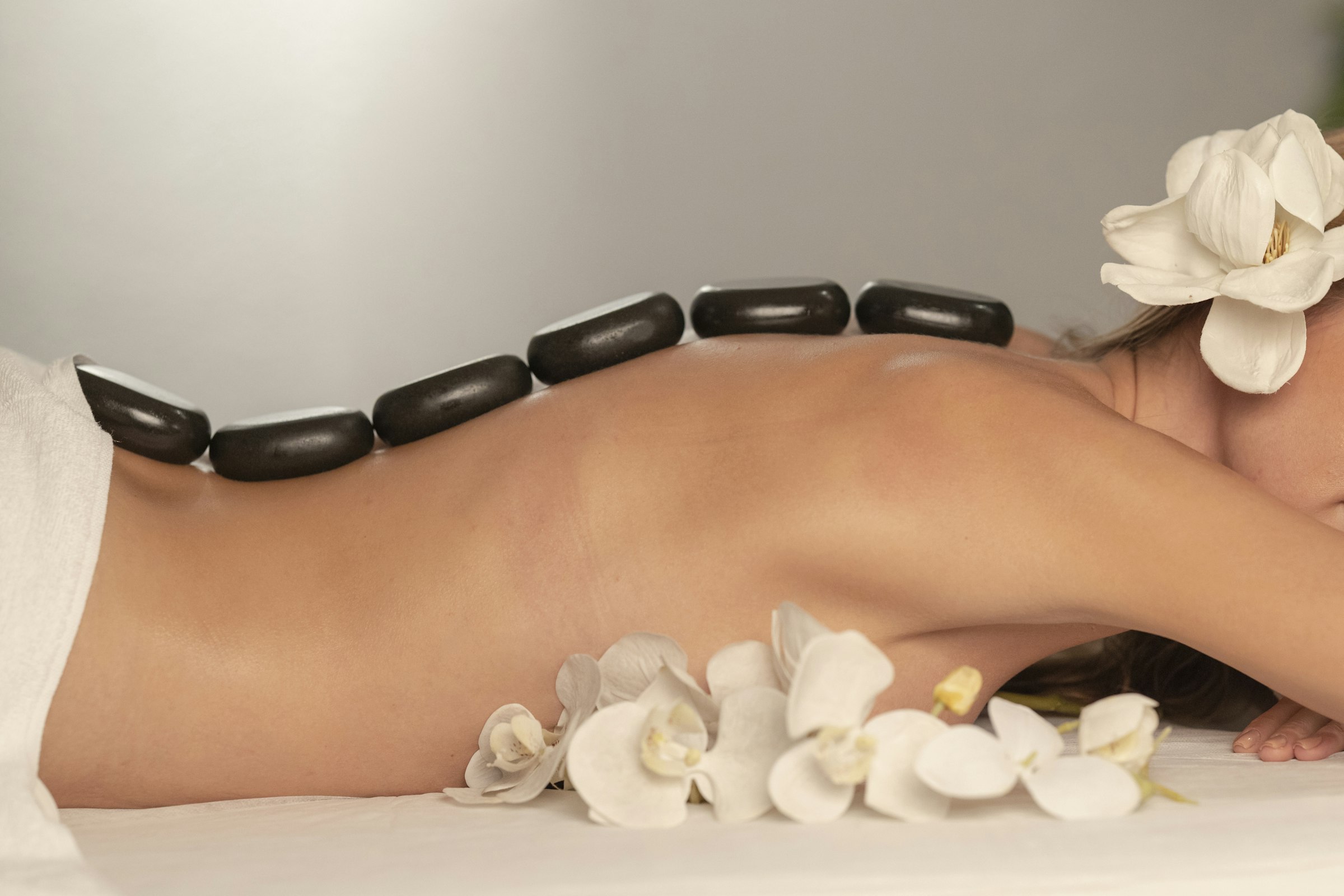
A Sri Lankan speciality using heated herbal boluses pressed and drawn along the body. Deeply warming, and often prescribed for stiffness and long-held tension.
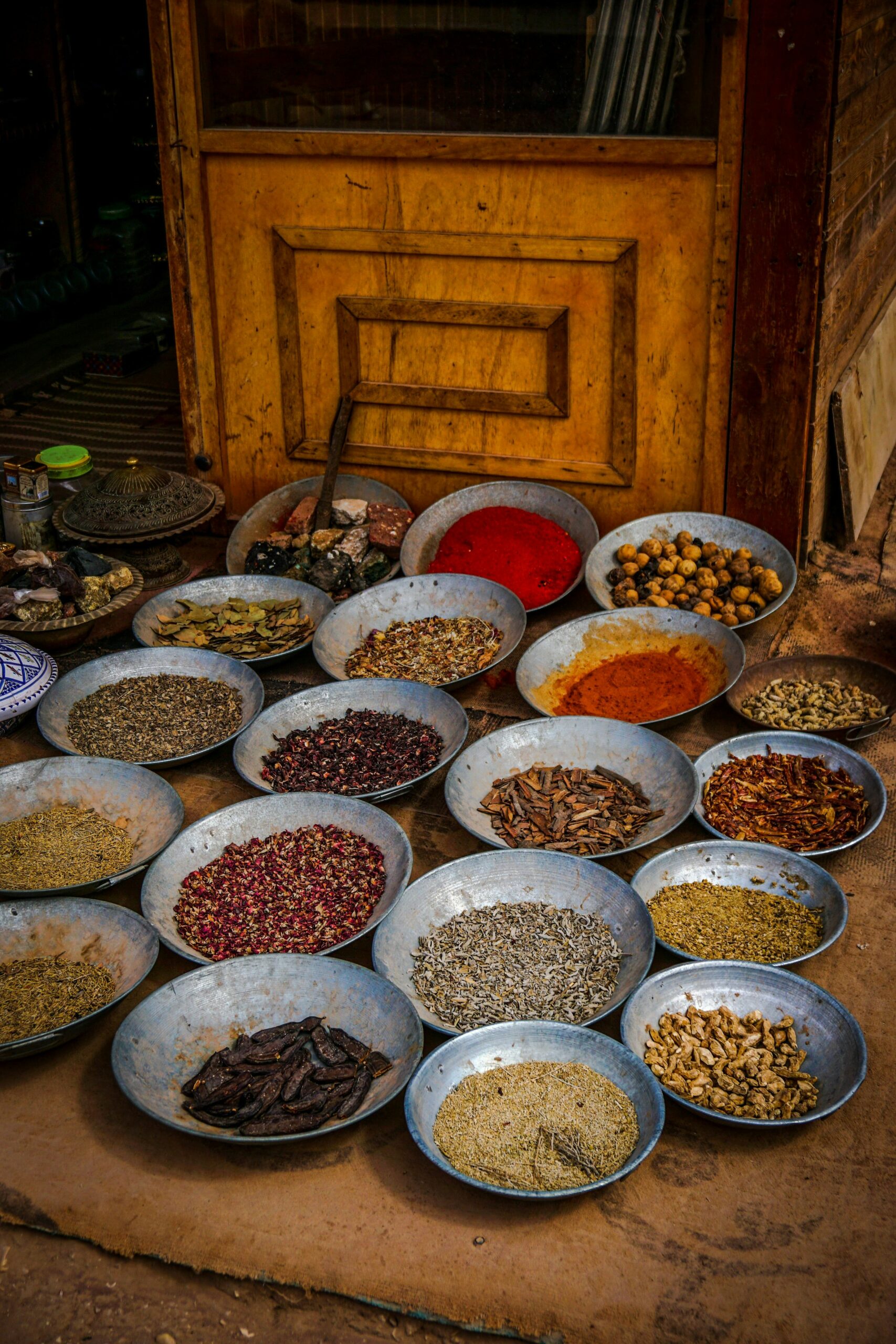
Steam infused with fresh leaves, taken after oil therapy so the medicated oils can do their work. Usually ten to fifteen minutes, and usually followed by a nap.
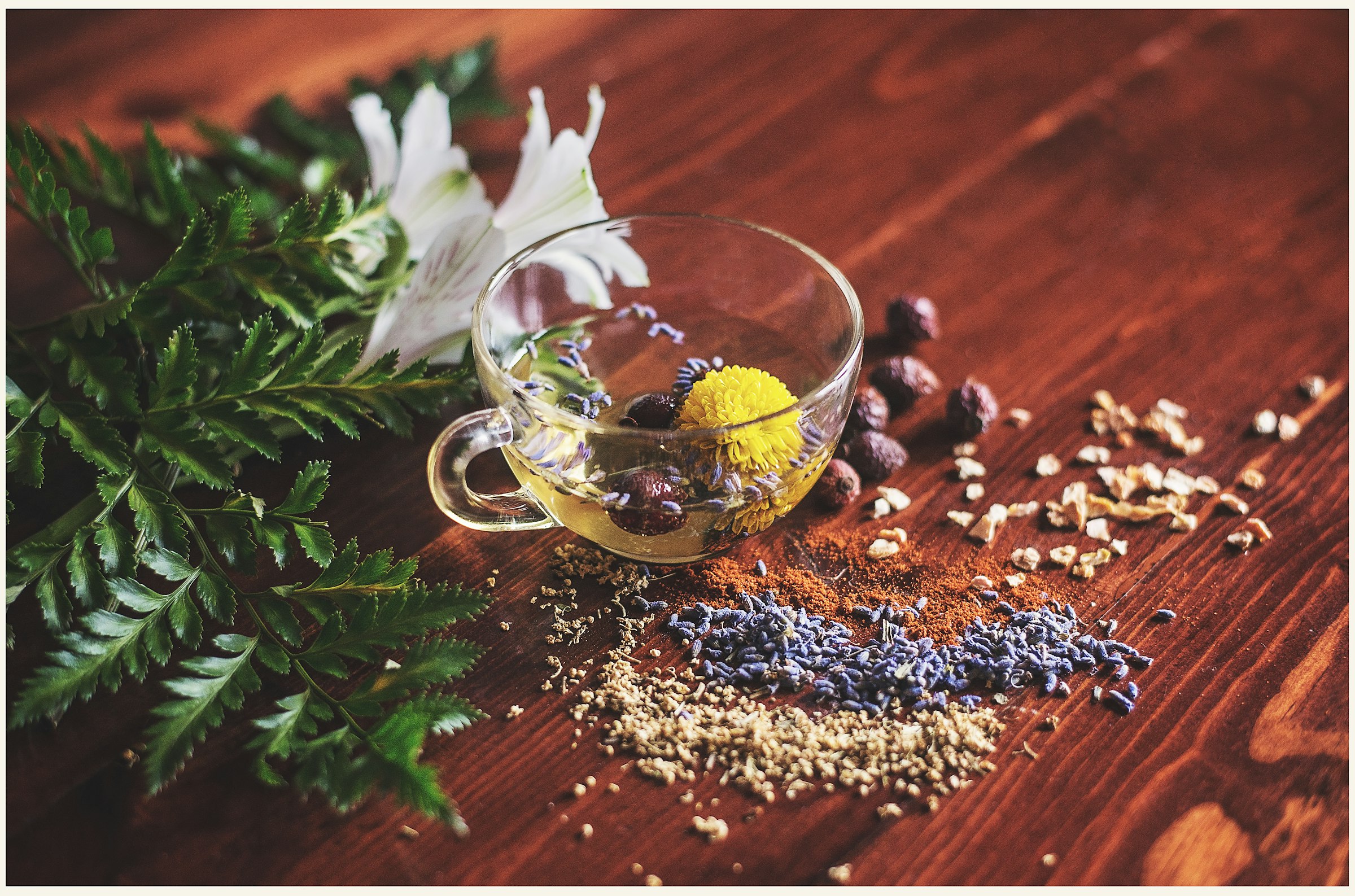
Panchakarma is Ayurveda’s full cleansing course, and it has three phases: preparation, the cleansing therapies themselves, and a long rebuilding period.
That last phase is the one short holidays skip, and it is arguably the most important. Our partner physicians ask for twenty-one nights so that each stage has the time it needs and nothing is rushed. It is supervised daily, it is not a holiday, and for travellers carrying years of accumulated fatigue it is the option that changes things.
If you have seven to fourteen nights, a rejuvenation programme is the better and more honest choice — and we will tell you so.
A note on health. Ayurveda, yoga and meditation are traditional and complementary practices. We describe them as what they are — supportive of rest, sleep and general wellbeing — and never as a treatment or cure for illness. They are not a substitute for medical diagnosis or care. Please tell us about medication, existing conditions and pregnancy when you enquire, so the physician can advise you properly before you travel.
If the answer you need is not here, message us on WhatsApp — a real person replies, usually within a few hours.
On your first full day a registered Ayurveda physician examines you — pulse, observation and a long conversation about sleep, digestion, work and stress. From that they write a treatment plan for your constitution, which usually means one or two therapies a day, prescribed herbal medicine and a diet adjusted to you. The physician reviews your progress through the stay and sends you home with a plan you can actually keep.
Every journey we design includes your accommodation, full-board wellness cuisine, your treatment or practice programme, consultations with the resident physician or lead teacher, and all private transfers within Sri Lanka. Your proposal itemises exactly what is covered before you commit to anything. International flights, visa and travel insurance are not included, though we are happy to advise on all three.
As a guide, a seven-night Ayurvedic programme with full board, daily treatments and transfers starts at around €1,450 per person. Ten to fourteen nights typically runs €2,250–€3,500, and a three-week Panchakarma from about €4,650. Simpler, family-run centres cost less; luxury properties cost more. International flights are additional. We will always tell you honestly what your budget can and cannot buy here.
The island has two monsoons, so somewhere is always in season. For the west and south coasts and the hill country, December to April is driest. For the east coast, May to September. Ayurvedic centres operate year-round and many physicians consider the cooler, more humid months good for treatment. Tell us your travel window and we will match the destination to it.
Reviews from travellers who let us design their time in Sri Lanka. We have not edited them for enthusiasm.
I arrived sceptical about Ayurveda and left with a routine I still keep two years later. The doctor spent forty minutes with me on the first day — nobody has ever asked me that many questions about how I actually live.
 Charlotte AdeyemiLondon, United Kingdom
What I appreciated most was the honesty. I asked for a fourteen-day detox and was told plainly that ten days of treatment plus four in the hills would suit me better. They were right.
 Dr. Andreas ReinhardtMunich, Germany
Three weeks of Panchakarma is not a holiday and they never pretended otherwise. The preparation notes they sent beforehand meant I knew exactly what I was walking into. I slept better in week three than I had in years.
 Marianne BeauchampLyon, France
Tell us your dates and what you need. We will design the rest.