01
Kola kenda
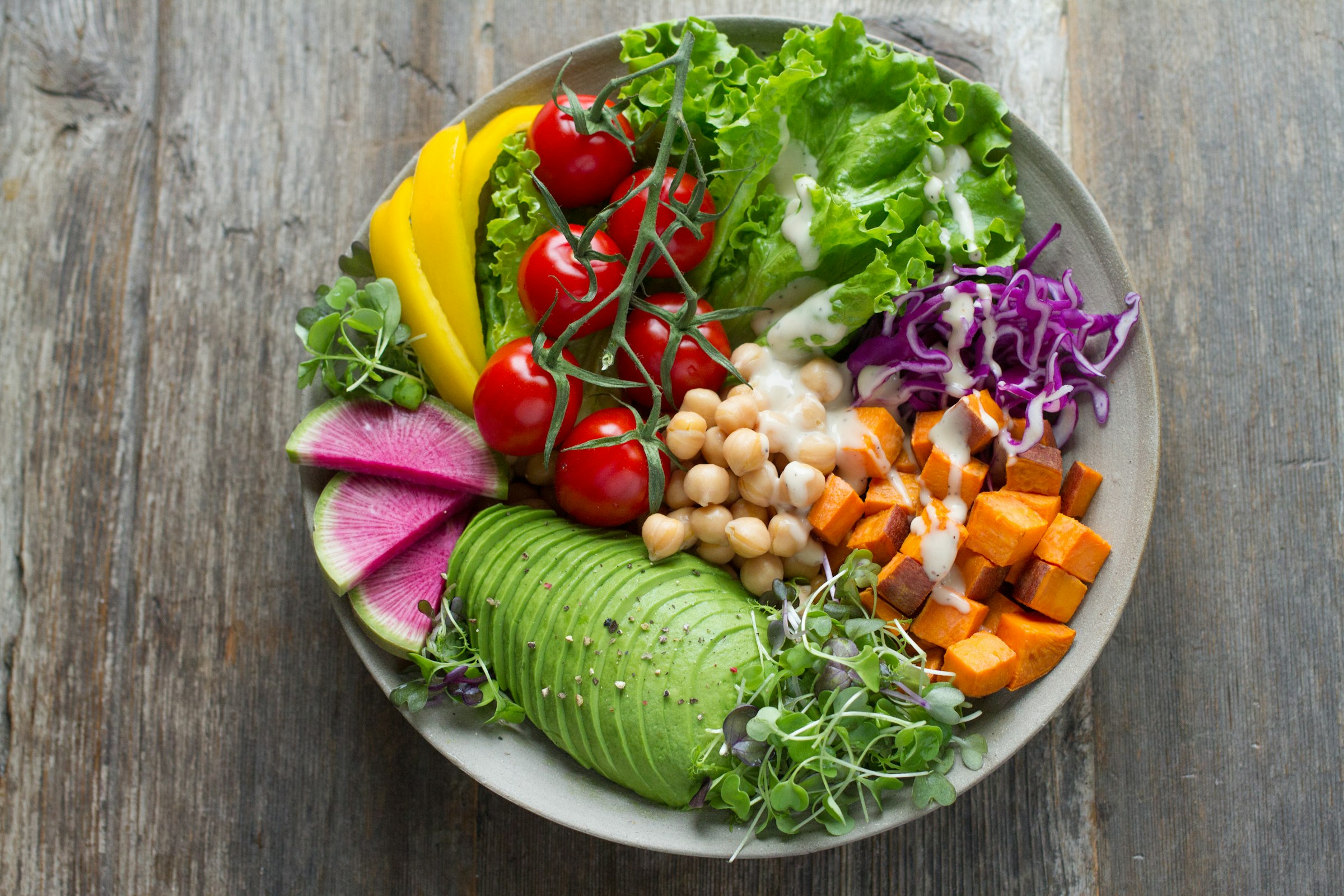
A warm green rice porridge made with gotu kola or other leaves and coconut milk, eaten at breakfast across the island. Ayurvedic centres serve it daily, and there is a reason.
One of the world’s most naturally plant-forward cuisines — and, in an Ayurvedic kitchen, part of the treatment.
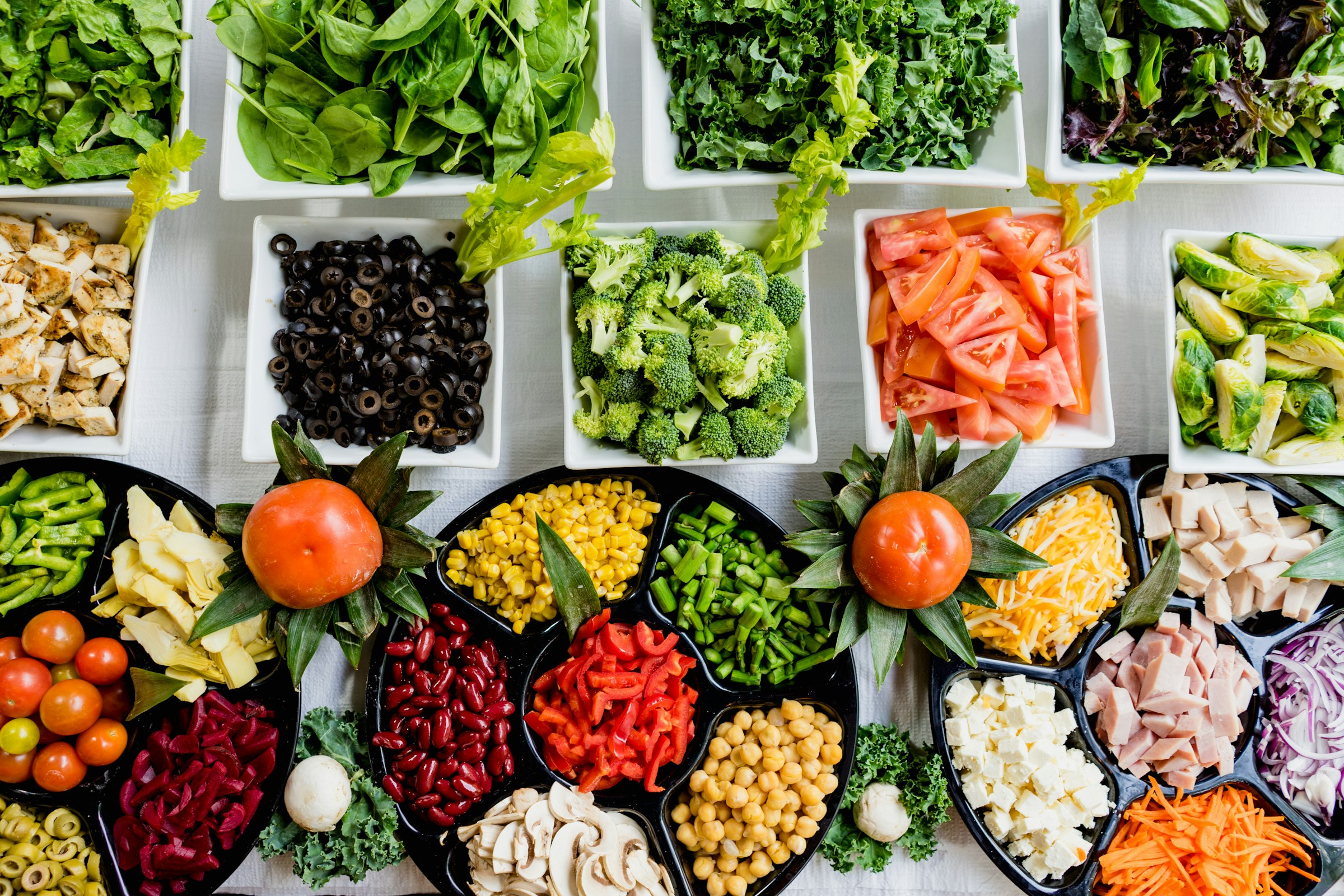
This is the detail that surprises people most. At a classical centre your meals are not chosen from a menu; they are cooked to the diet your physician wrote after your consultation.
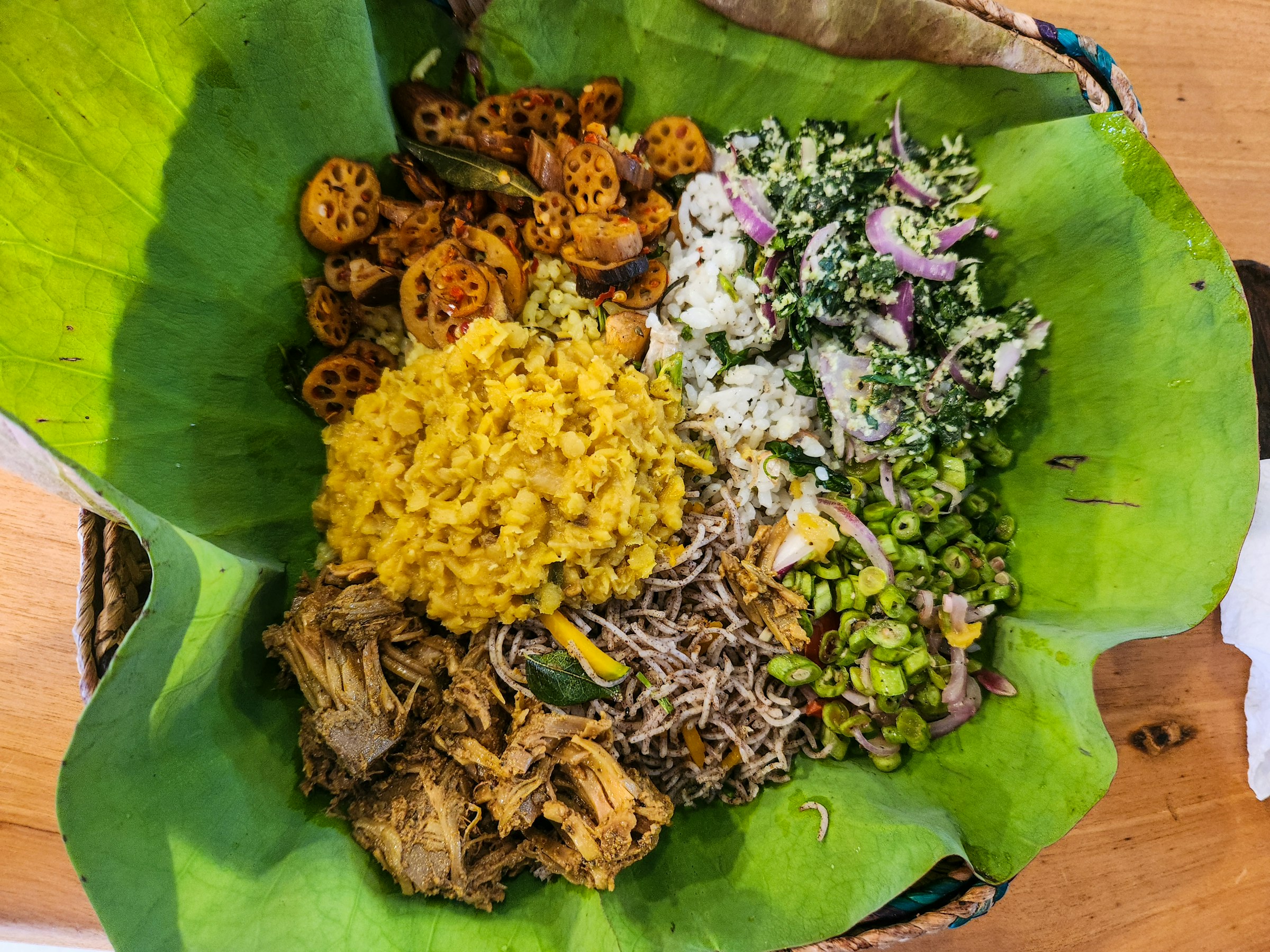
In practice that means warm, simple, easily-digested food: red rice, mung dhal, gourd and jackfruit curries, gotu kola sambol, and kola kenda in the morning. Lunch is the main meal, dinner is early and light. There will be no alcohol, usually no coffee, and less variety than you are used to.
It is also, to almost everyone’s surprise, delicious. More guests ask us for recipes than for anything else.
None of this is invented for visitors. It is what people here eat.
A warm green rice porridge made with gotu kola or other leaves and coconut milk, eaten at breakfast across the island. Ayurvedic centres serve it daily, and there is a reason.
Sri Lanka’s unpolished red rice with five or six vegetable curries: jackfruit, ash plantain, beetroot, dhal, and a coconut sambol. Naturally plant-forward, and eaten this way long before anyone called it that.
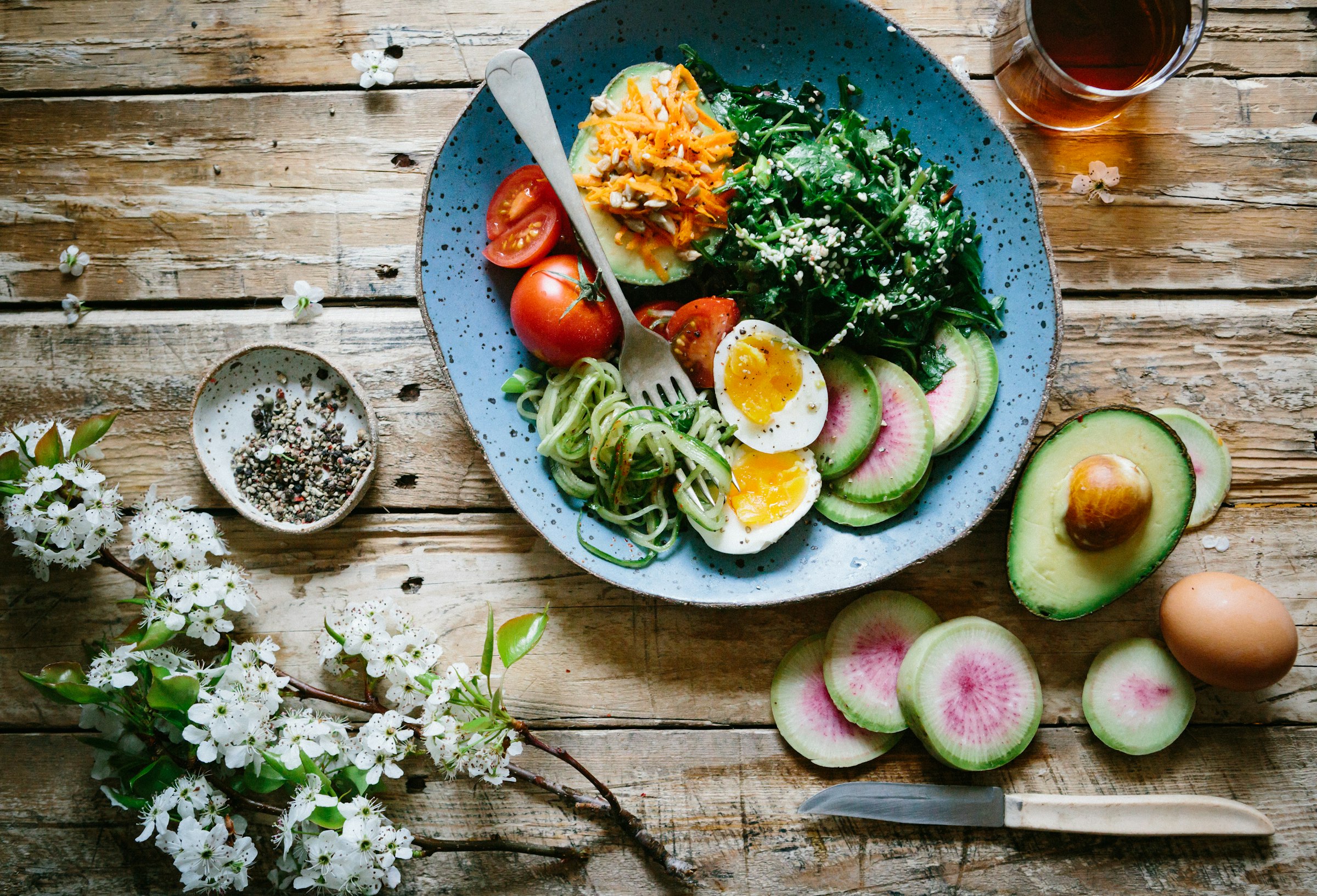
Finely shredded raw Centella asiatica with coconut, lime and chilli. Bitter, cold and sharp, and traditionally valued for clarity and calm.
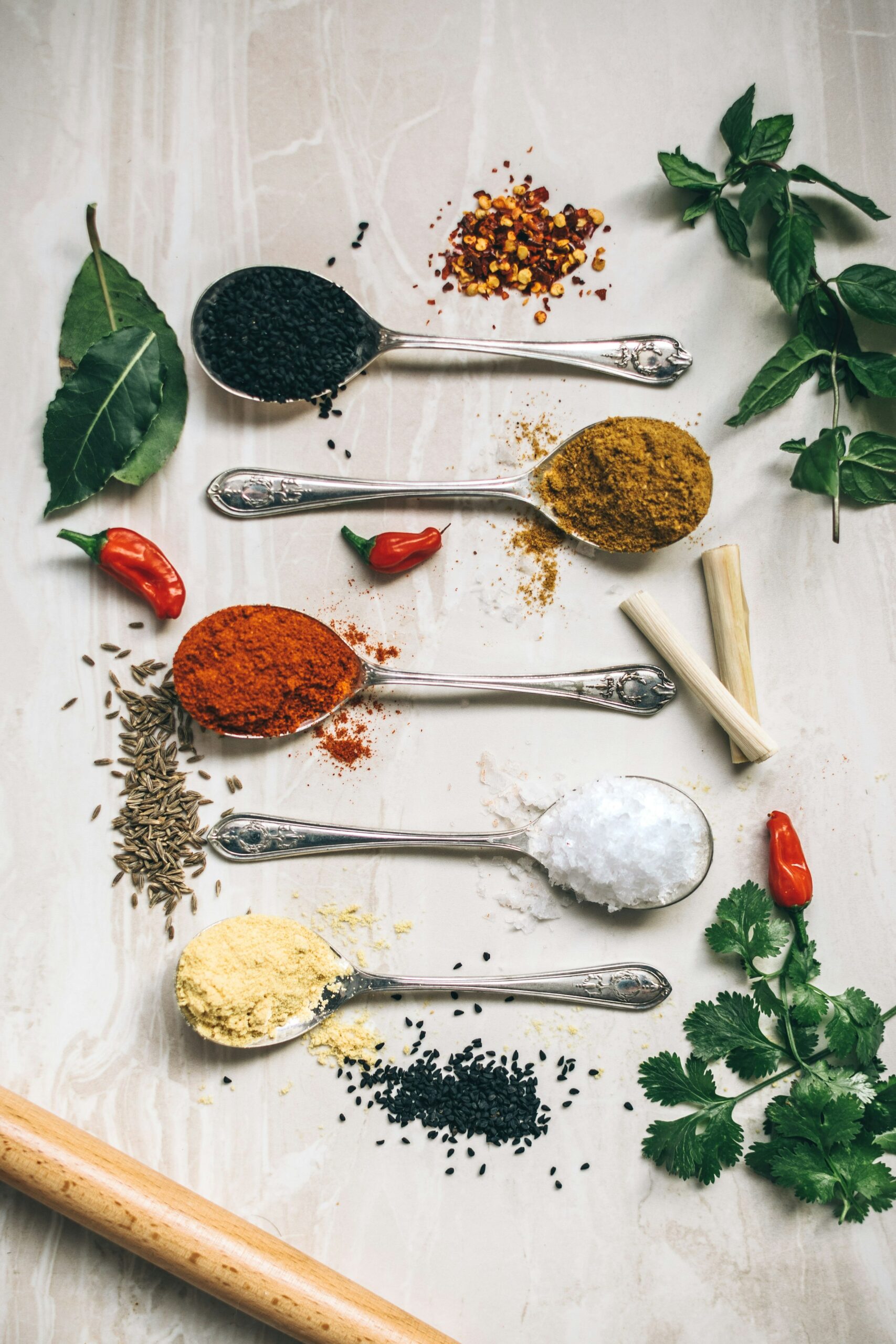
Cinnamon (the true kind, native here), cardamom, black pepper, turmeric, coriander, fenugreek. In an Ayurvedic kitchen the spice mix changes with your prescription.
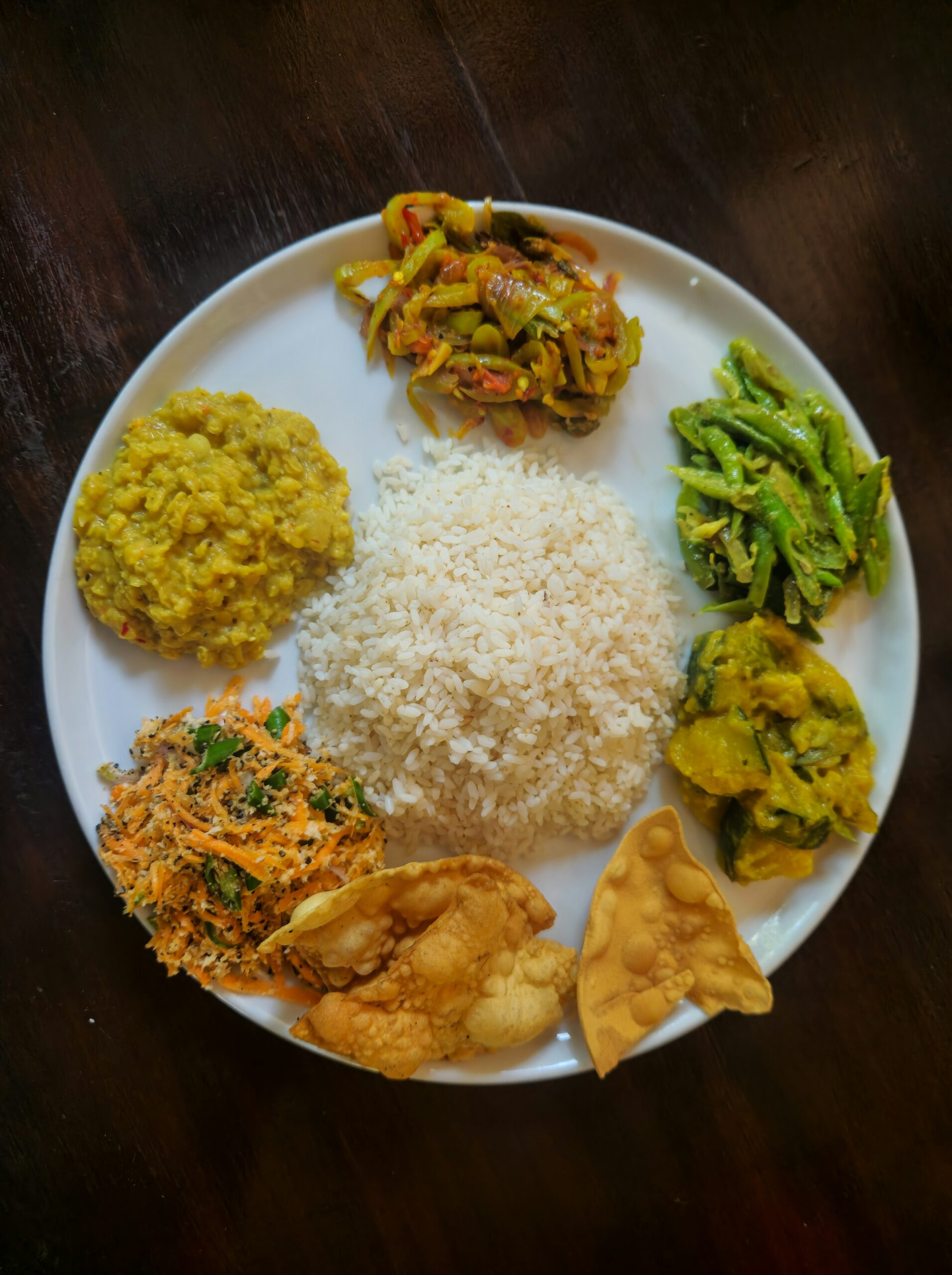
Diet is the part of Ayurveda that survives the flight home, so we build a cooking session into most journeys of ten nights or more.
It usually starts at a morning market — king coconut, jackfruit, murunga, a bewildering number of greens — then a few hours in the kitchen learning a tempered dhal, a coconut sambol, and how to cook red rice so it is not gluey. Most guests leave able to reproduce a decent Sri Lankan meal with ingredients they can buy at home.
If you have dietary requirements, say so when you enquire. Vegan, gluten-free and low-spice are all straightforward here; Ayurvedic kitchens are used to adapting.
If the answer you need is not here, message us on WhatsApp — a real person replies, usually within a few hours.
Every journey we design includes your accommodation, full-board wellness cuisine, your treatment or practice programme, consultations with the resident physician or lead teacher, and all private transfers within Sri Lanka. Your proposal itemises exactly what is covered before you commit to anything. International flights, visa and travel insurance are not included, though we are happy to advise on all three.
On your first full day a registered Ayurveda physician examines you — pulse, observation and a long conversation about sleep, digestion, work and stress. From that they write a treatment plan for your constitution, which usually means one or two therapies a day, prescribed herbal medicine and a diet adjusted to you. The physician reviews your progress through the stay and sends you home with a plan you can actually keep.
Yes — that is the whole point of how we work. There are no fixed departures. You choose the dates, the length, the centre, how much of the island you see and how much you rest. If a proposal is not right, tell us and we will rebuild it. Most journeys go through two or three revisions before anyone pays anything.
As a guide, a seven-night Ayurvedic programme with full board, daily treatments and transfers starts at around €1,450 per person. Ten to fourteen nights typically runs €2,250–€3,500, and a three-week Panchakarma from about €4,650. Simpler, family-run centres cost less; luxury properties cost more. International flights are additional. We will always tell you honestly what your budget can and cannot buy here.
Tell us your dates and what you need. We will design the rest.