01
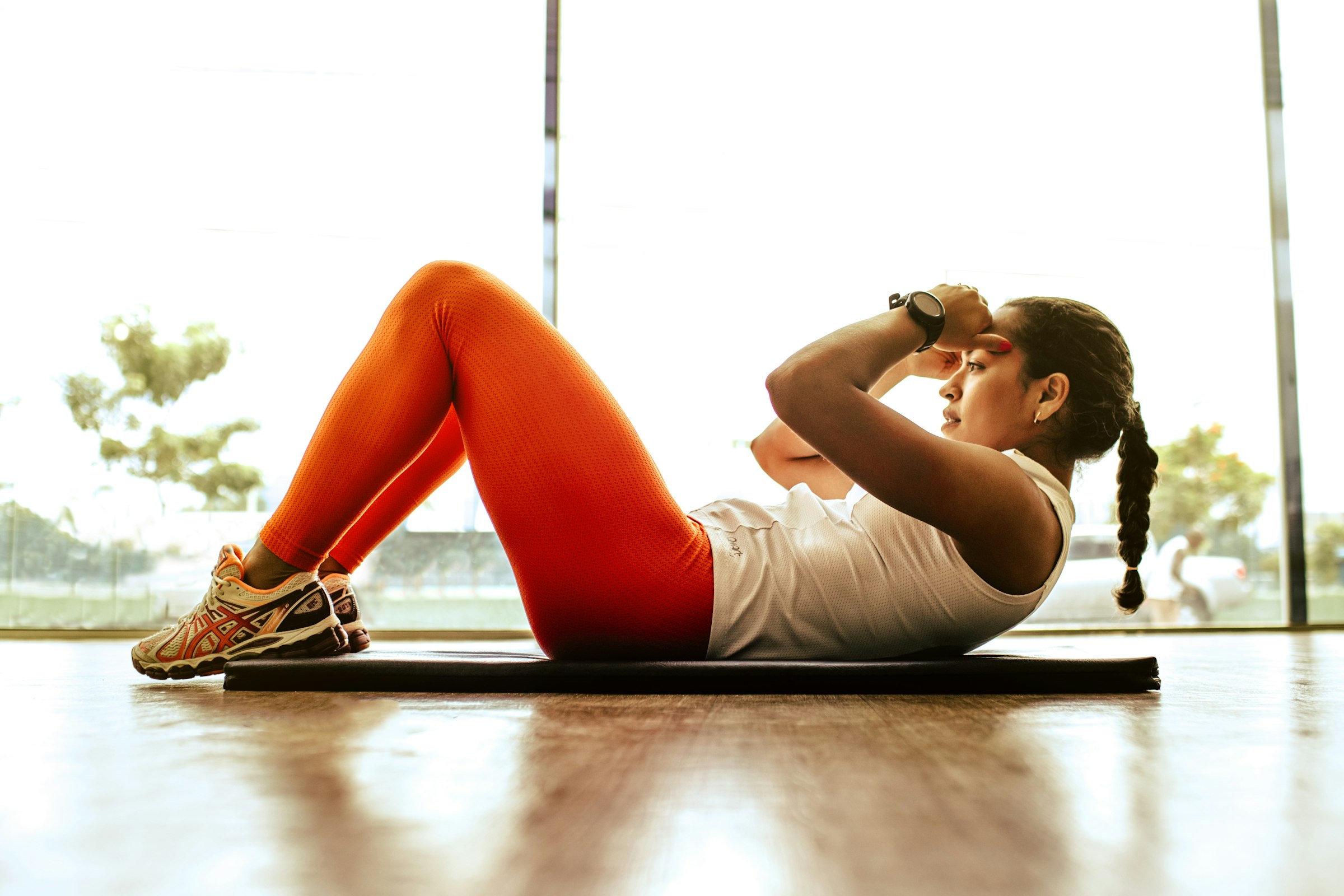
Hatha & Vinyasa
The morning classes at most south-coast retreats: a steady, breath-led practice at 7am while it is still cool. Small groups, usually six to twelve people.
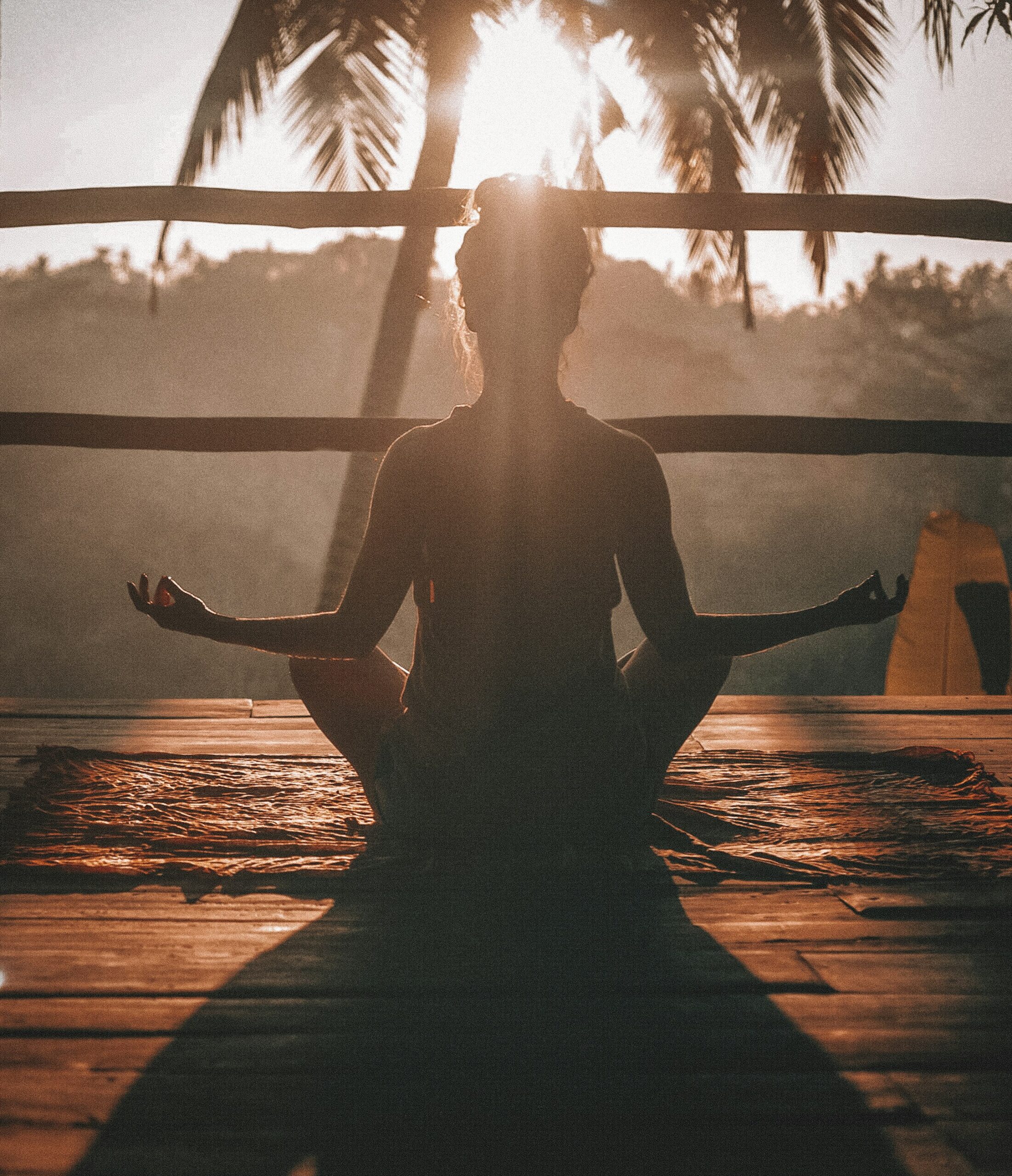
Daily practice with resident teachers — and a meditation lineage two thousand years older than the yoga.
Theravada Buddhism arrived in Sri Lanka in the 3rd century BCE, and the island became the tradition’s textual heartland — the Pali canon was first written down here.
Vipassana (insight) and metta (loving-kindness) are taught across the island, often to foreigners, frequently for nothing more than a donation. Some centres run ten-day silent courses; others will simply let you sit with a monk for an hour in the early morning.
It is not a performance for visitors. Sitting practice is ordinary here in a way it is not in Europe, and the teaching tends to be plain, unmystical and generous.
Two practices a day is standard. Three is unusual, and in this climate rarely a good idea.
The morning classes at most south-coast retreats: a steady, breath-led practice at 7am while it is still cool. Small groups, usually six to twelve people.
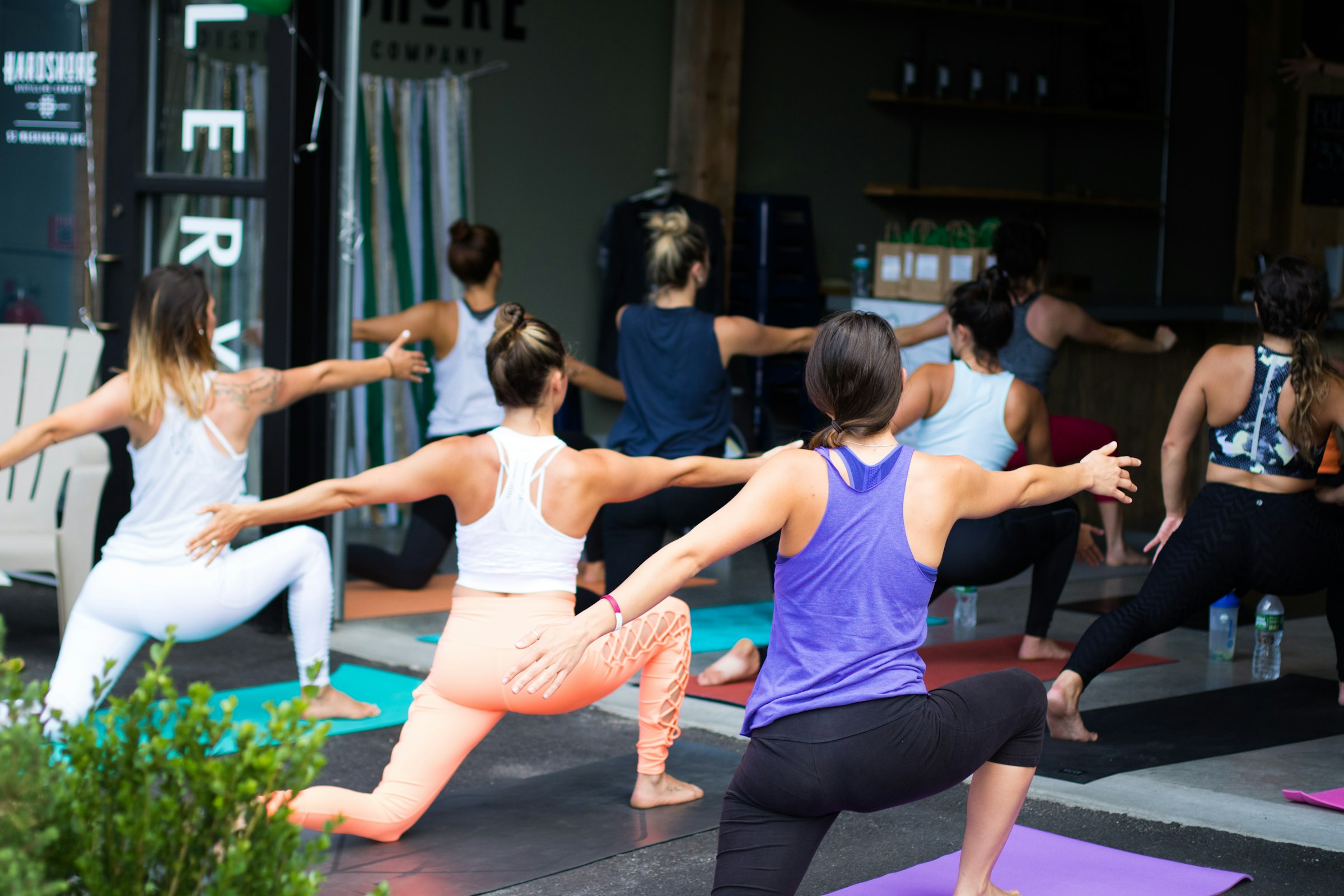
Long, supported holds in the late afternoon, when the heat has gone out of the day. This is the practice that most travellers arriving exhausted actually need.
Sri Lanka’s own tradition. Silent sitting practice taught in monasteries and meditation centres, from a single guided hour to a ten-day silent course.
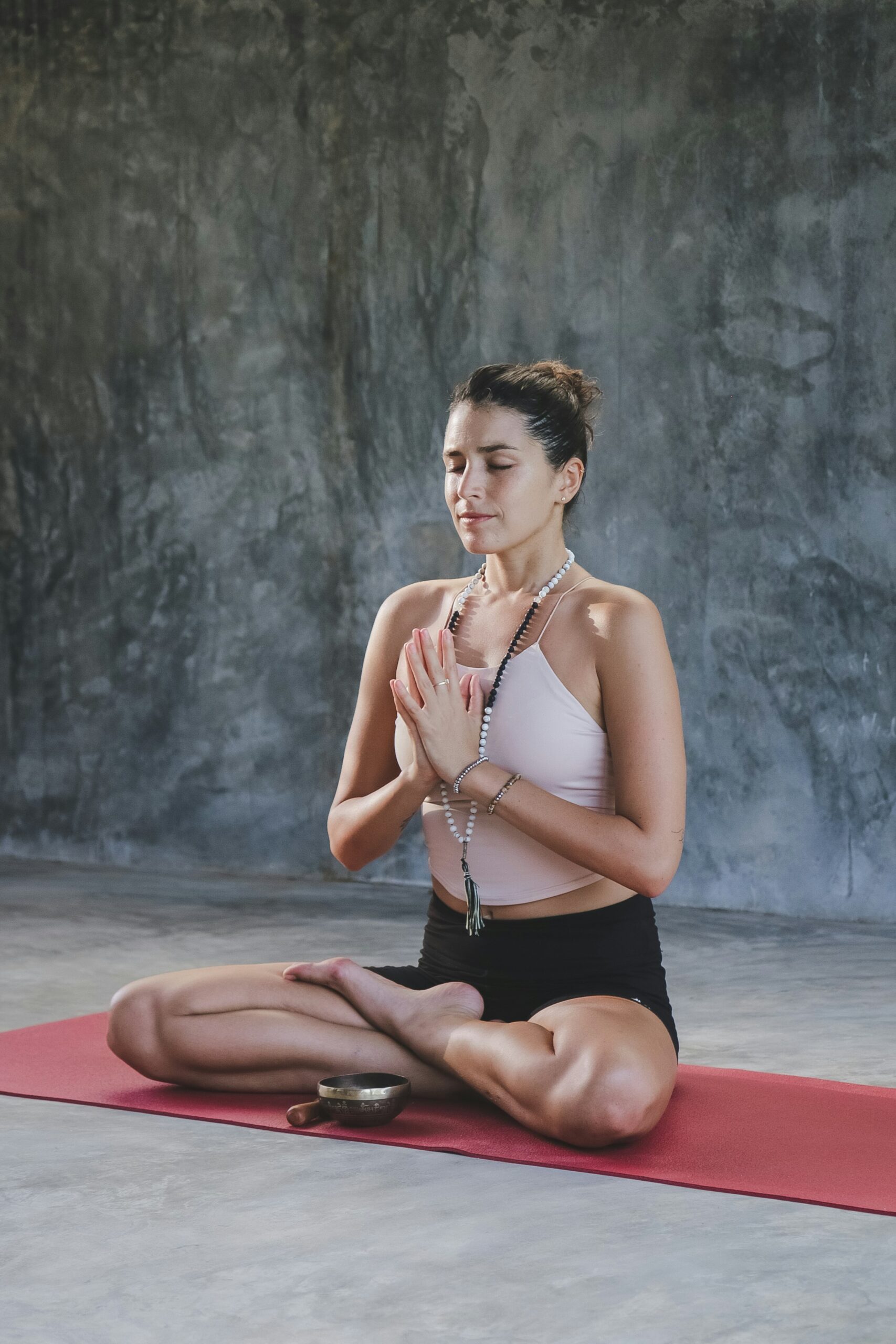
Loving-kindness practice and evening chanting at village temples. Often the part of a journey travellers remember most, and rarely the part they expected.
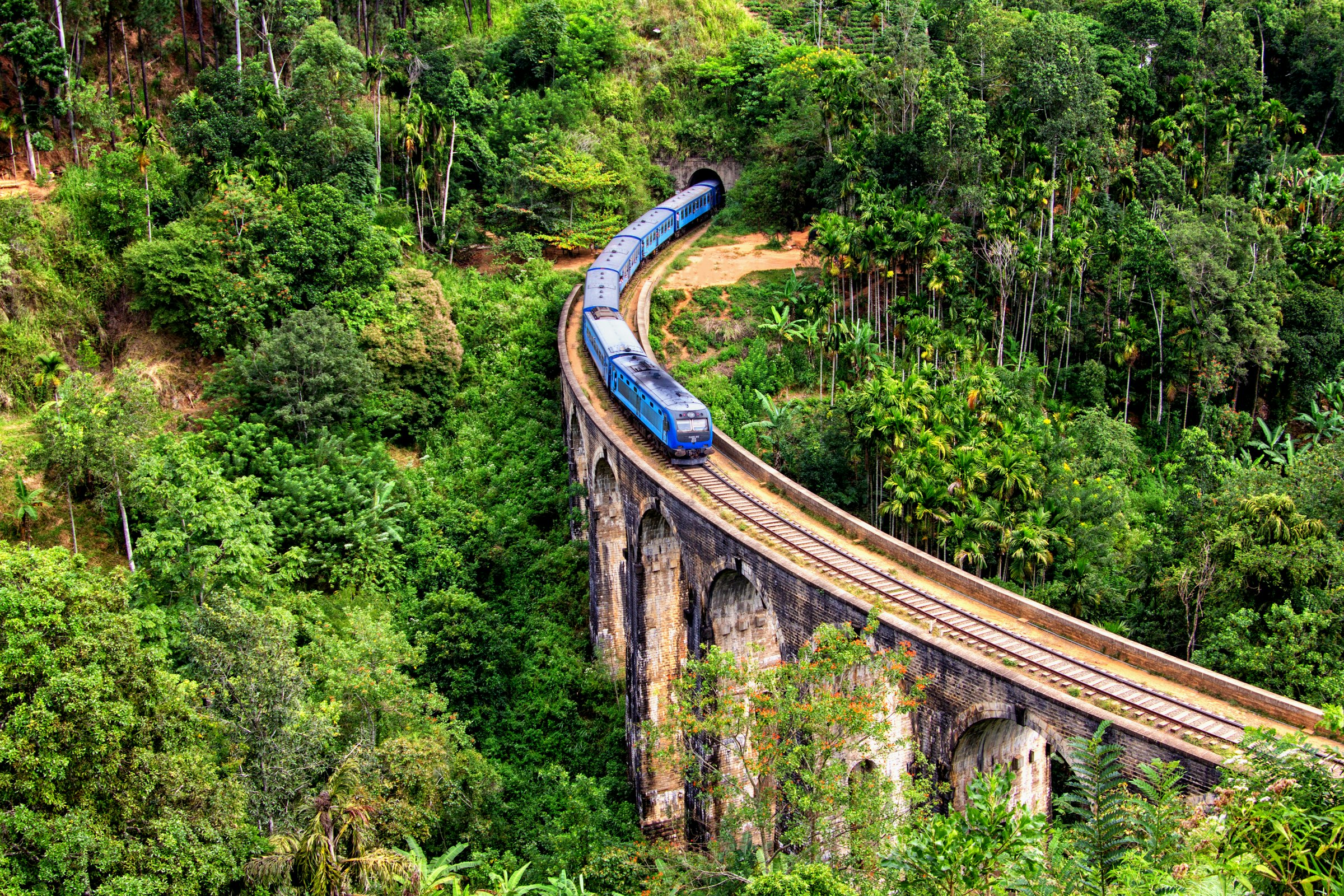
Yoga in Sri Lanka is concentrated in two places, and they suit different things.
The south coast — Talalla, Weligama, Ahangama — is where surf and yoga grew up together. Warm, salty, sociable, and good for daily physical practice. The hill country around Ella sits at a thousand metres, with decks built out over a cloud-forest gorge, cold mornings and the best sleep on the island.
The arrangement that works best is coastal practice followed by a few nights inland for sitting practice — Kandy’s forest hermitages, or a village temple near Sigiriya where a monk will teach at first light.
If the answer you need is not here, message us on WhatsApp — a real person replies, usually within a few hours.
It is one of the easiest places in Asia to begin. English is widely spoken, the wellness sector is long-established and regulated, most centres are within two to three hours of the international airport, and Ayurveda here is a normal part of everyday life rather than a tourist product. We routinely design first journeys for travellers who have never done anything like this before.
Yes — that is the whole point of how we work. There are no fixed departures. You choose the dates, the length, the centre, how much of the island you see and how much you rest. If a proposal is not right, tell us and we will rebuild it. Most journeys go through two or three revisions before anyone pays anything.
The island has two monsoons, so somewhere is always in season. For the west and south coasts and the hill country, December to April is driest. For the east coast, May to September. Ayurvedic centres operate year-round and many physicians consider the cooler, more humid months good for treatment. Tell us your travel window and we will match the destination to it.
Two to three months is comfortable. The specialist Ayurvedic centres are small — often twelve to twenty rooms — and the good ones fill from December to March, so four to six months ahead is wise for peak season. That said, we place last-minute journeys regularly; if your dates are close, ask us and we will tell you straight away what is genuinely available.
Reviews from travellers who let us design their time in Sri Lanka. We have not edited them for enthusiasm.
I arrived sceptical about Ayurveda and left with a routine I still keep two years later. The doctor spent forty minutes with me on the first day — nobody has ever asked me that many questions about how I actually live.
 Charlotte AdeyemiLondon, United Kingdom
What I appreciated most was the honesty. I asked for a fourteen-day detox and was told plainly that ten days of treatment plus four in the hills would suit me better. They were right.
 Dr. Andreas ReinhardtMunich, Germany
Three weeks of Panchakarma is not a holiday and they never pretended otherwise. The preparation notes they sent beforehand meant I knew exactly what I was walking into. I slept better in week three than I had in years.
 Marianne BeauchampLyon, France
Tell us your dates and what you need. We will design the rest.