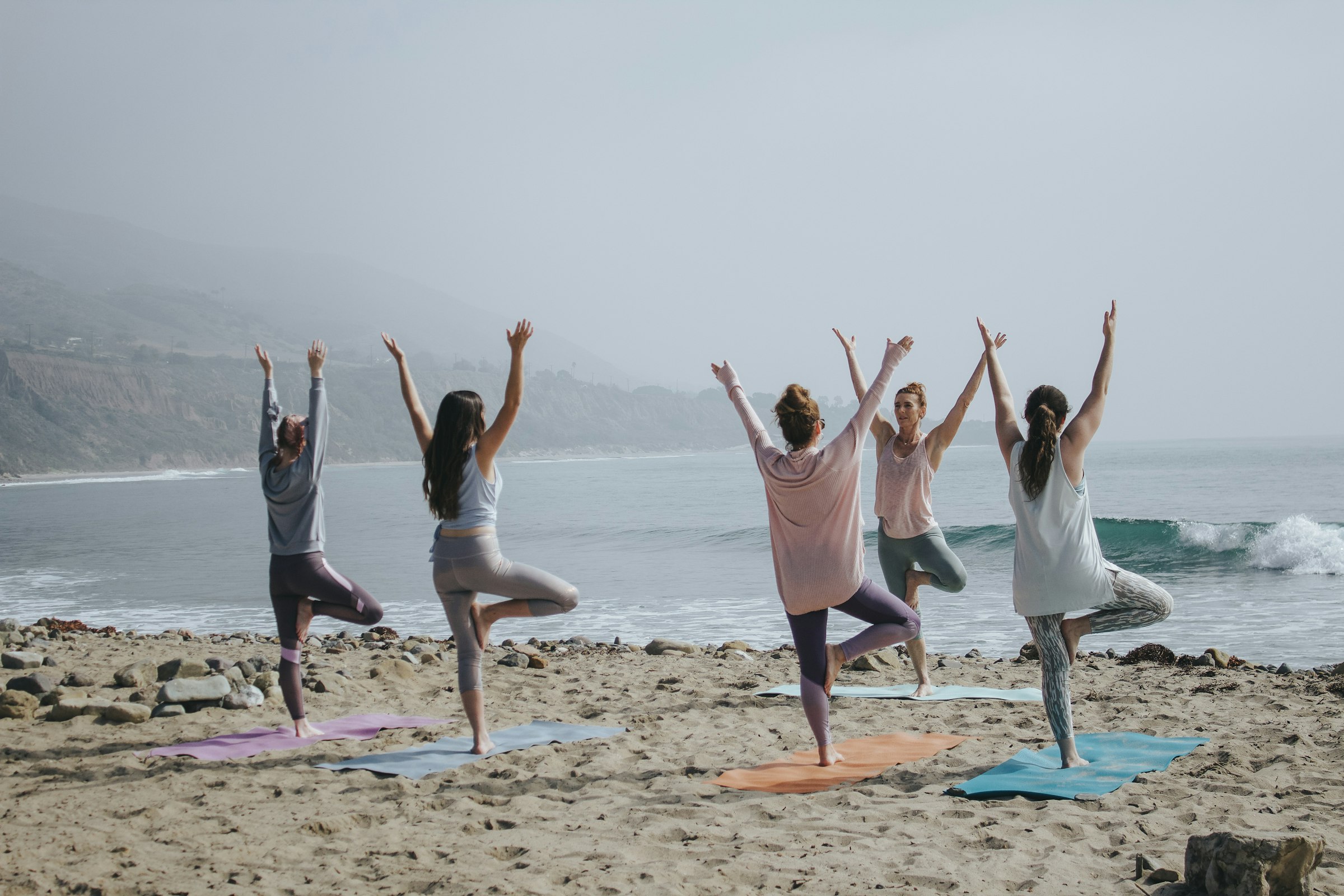
Travellers usually come to Sri Lanka for the yoga and discover the meditation. The order is worth reversing, because the island's contribution to contemplative practice is considerable and comparatively unknown.
The meditation lineage
Theravada Buddhism arrived in the 3rd century BCE and Sri Lanka became the tradition's textual heartland — the Pali canon was first written down here. Vipassana — insight meditation — and metta — loving-kindness — are taught in monasteries and meditation centres across the island, often to foreigners, frequently for nothing more than a donation. Some centres run ten-day silent courses; others will simply let you sit with a monk for an hour in the morning.
This is not a performance for visitors. Sitting practice is ordinary here in a way it is not in Europe, and the teaching tends to be plain, unmystical and generous.
The yoga scene
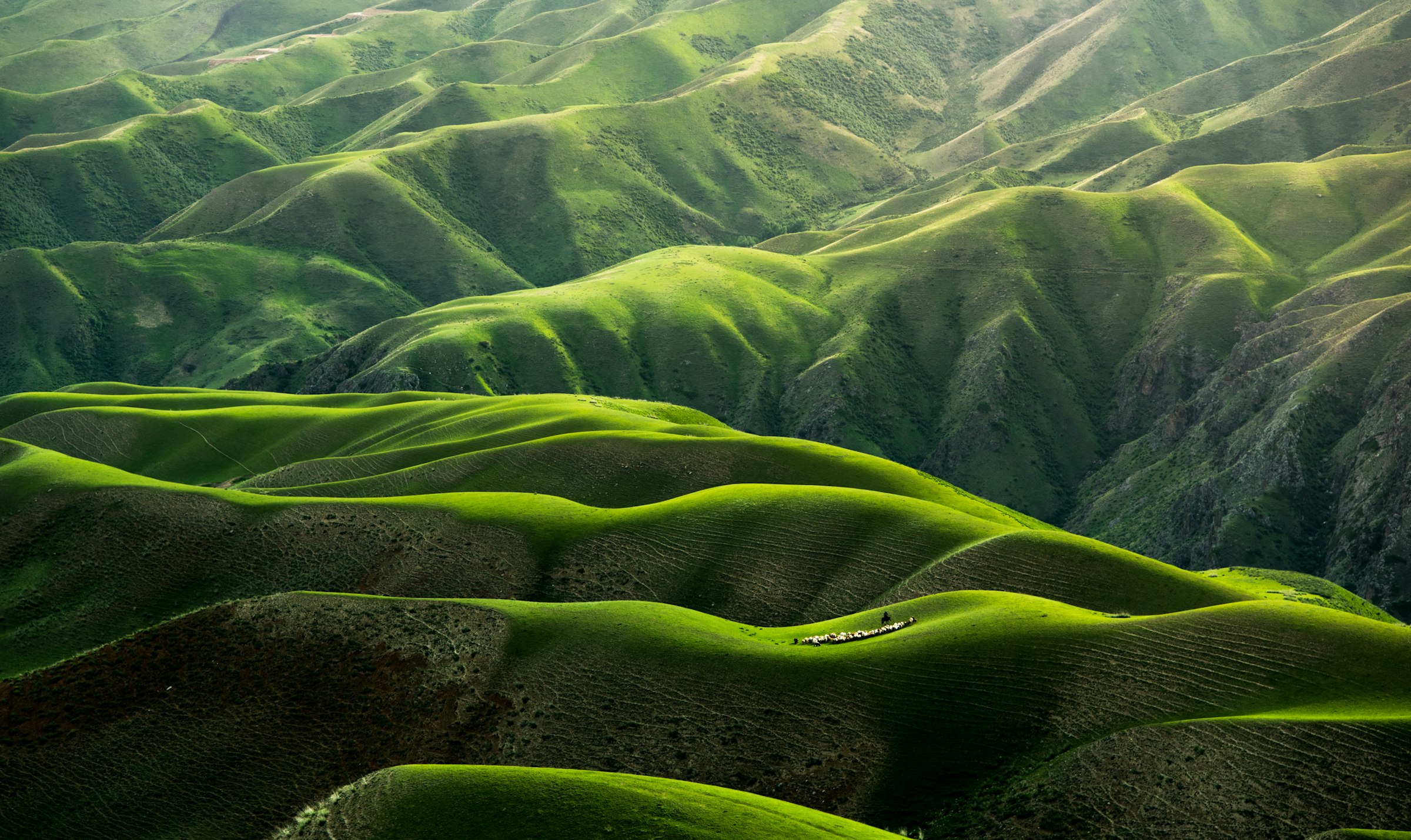
Yoga in Sri Lanka is newer — largely a development of the past twenty years — and concentrated in two places: the south coast, where surf and yoga grew up together, and the hill country around Ella, where the appeal is cool air and views into a gorge. Teaching quality varies, so the useful questions are how large the classes are and how long the lead teacher has been resident. The best shalas run six to twelve people and keep their teachers for years.
What a week looks like
A typical retreat day: Vinyasa or Hatha at 7am while it is still cool, breakfast, a free middle of the day for treatment, swimming or sleep, then a restorative Yin or Yoga Nidra class at 5pm, dinner, and a short guided sit before bed. Two practices a day is standard; three is unusual and rarely a good idea in this climate.
Combining the two
The arrangement that works best is coastal yoga followed by a few nights inland for meditation — Kandy's forest hermitages, or a village temple near Sigiriya where a monk will teach in the early morning. Physical practice by the sea, sitting practice in the hills.
Practical notes
- Beginners are genuinely welcome; say so when you enquire and we will place you in a small class.
- Bring a light long-sleeved layer for hill-country meditation — mornings are cold at altitude.
- Dress modestly at temples: shoulders and knees covered, shoes off, and no photographs with your back to a Buddha image.
- Silent retreats mean silent. If ten days without speaking sounds like too much, start with three.
- Practise before you come, even a little. The first class is easier if your body is not entirely surprised.
Sri Lanka rewards the traveller who does less. A week of two daily practices, decent food, early nights and no itinerary will do more than a fortnight of trying to see everything.