Sri Lanka has two separate monsoons, which is why blanket advice about the “best time to visit” is usually wrong.
December to April
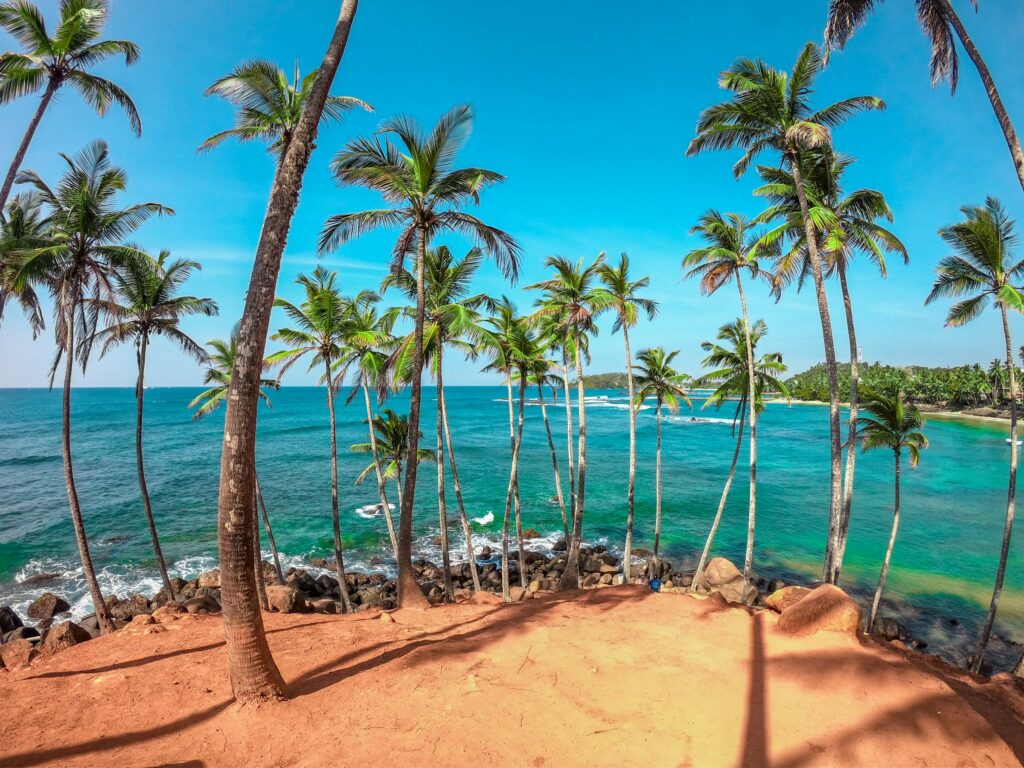
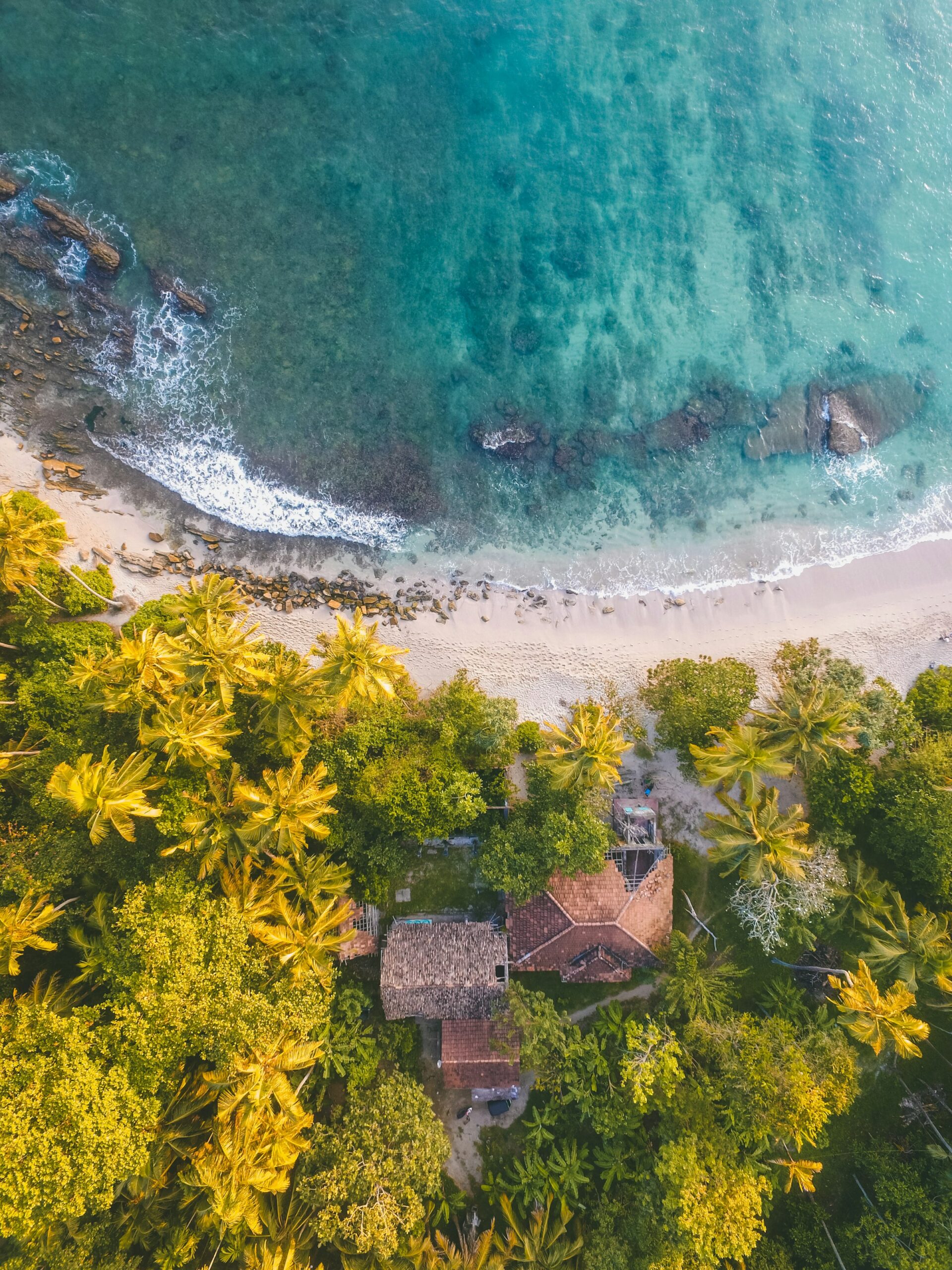
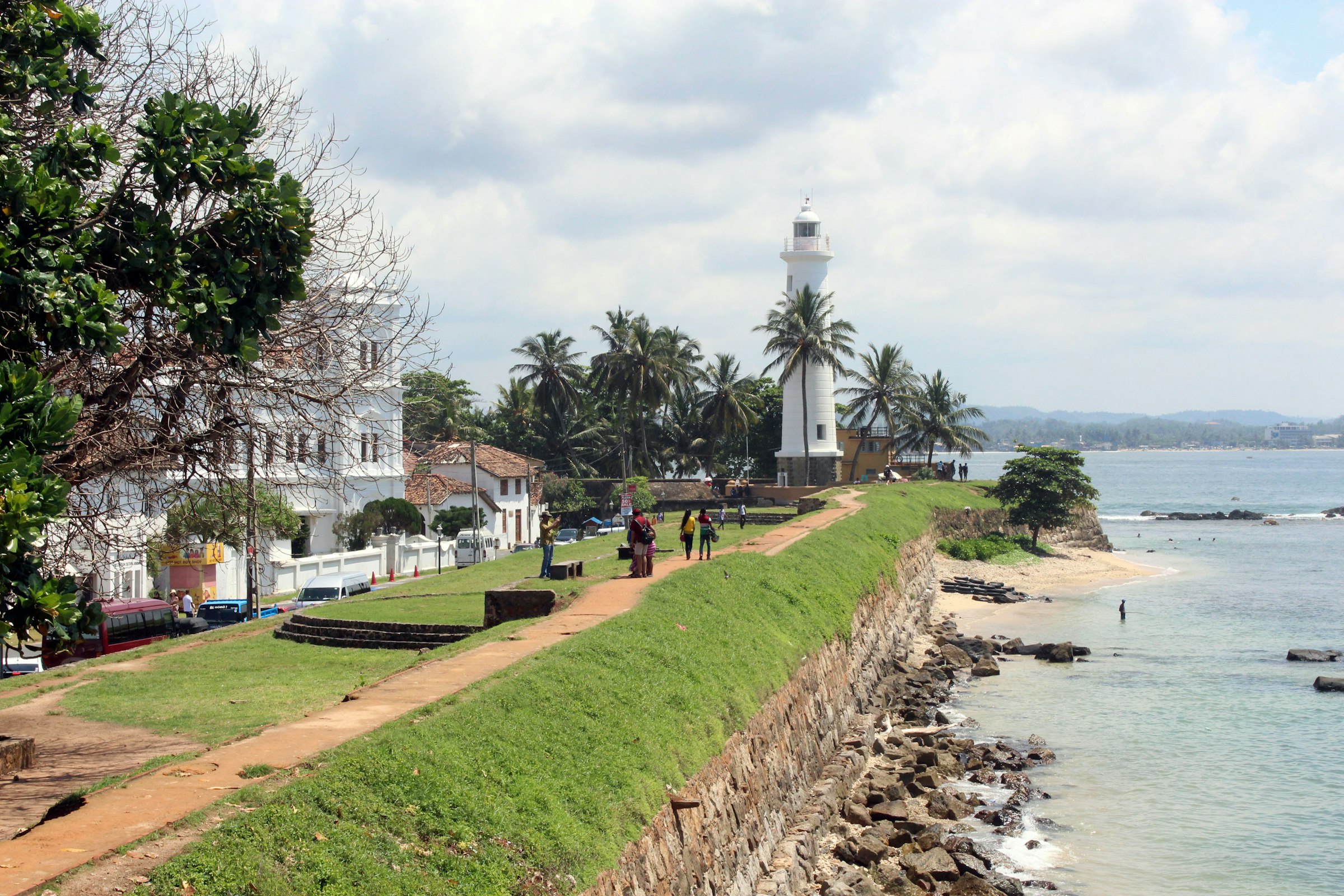
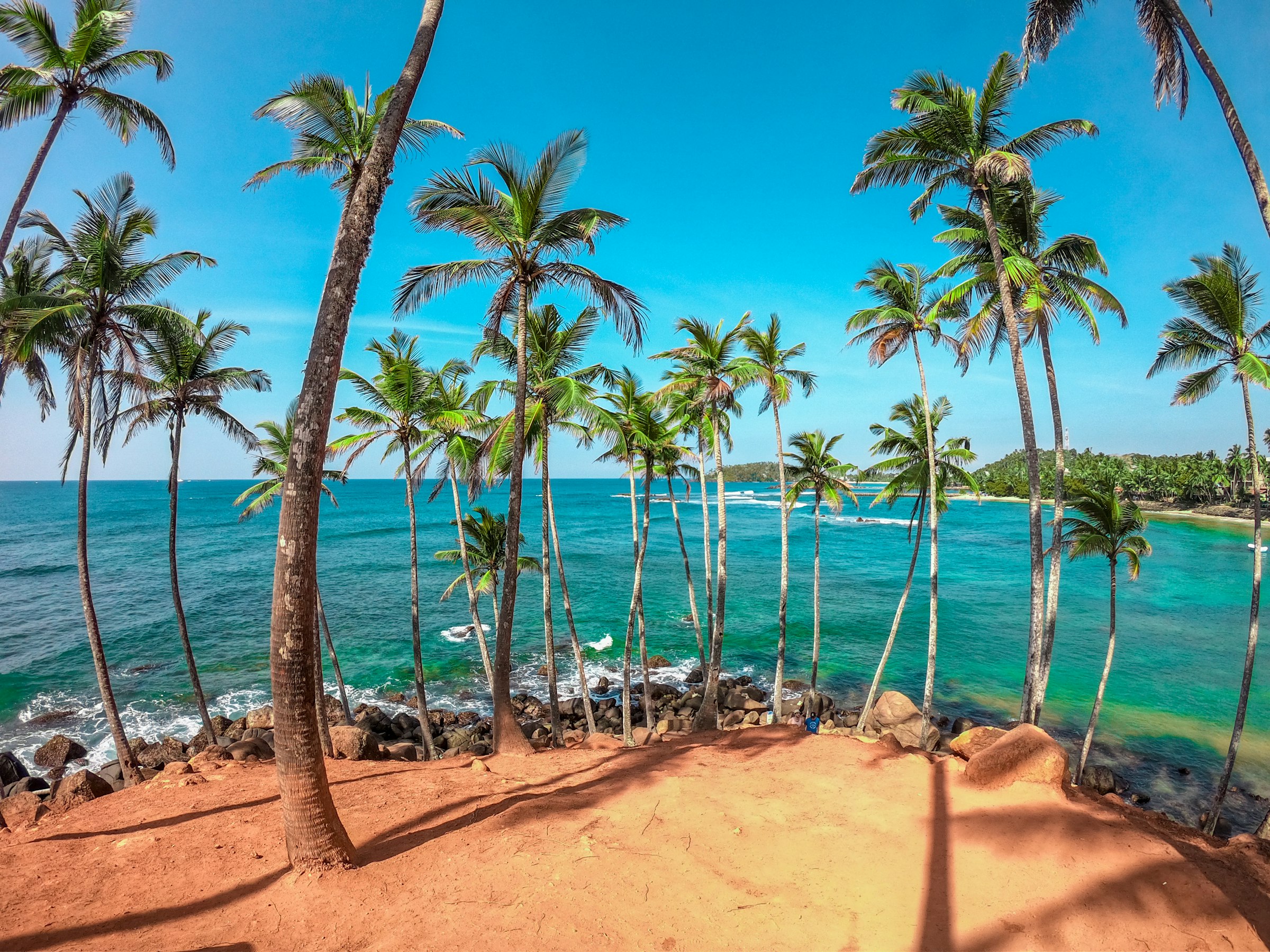
The driest season for the west coast, the south coast and the hill country. This is when the Ayurvedic belt around Beruwala and Bentota, the southern beaches and Ella are at their best, and when blue whales pass Mirissa. It is also the busiest period, so the specialist centres — often only twelve to twenty rooms — fill four to six months ahead.
May to September
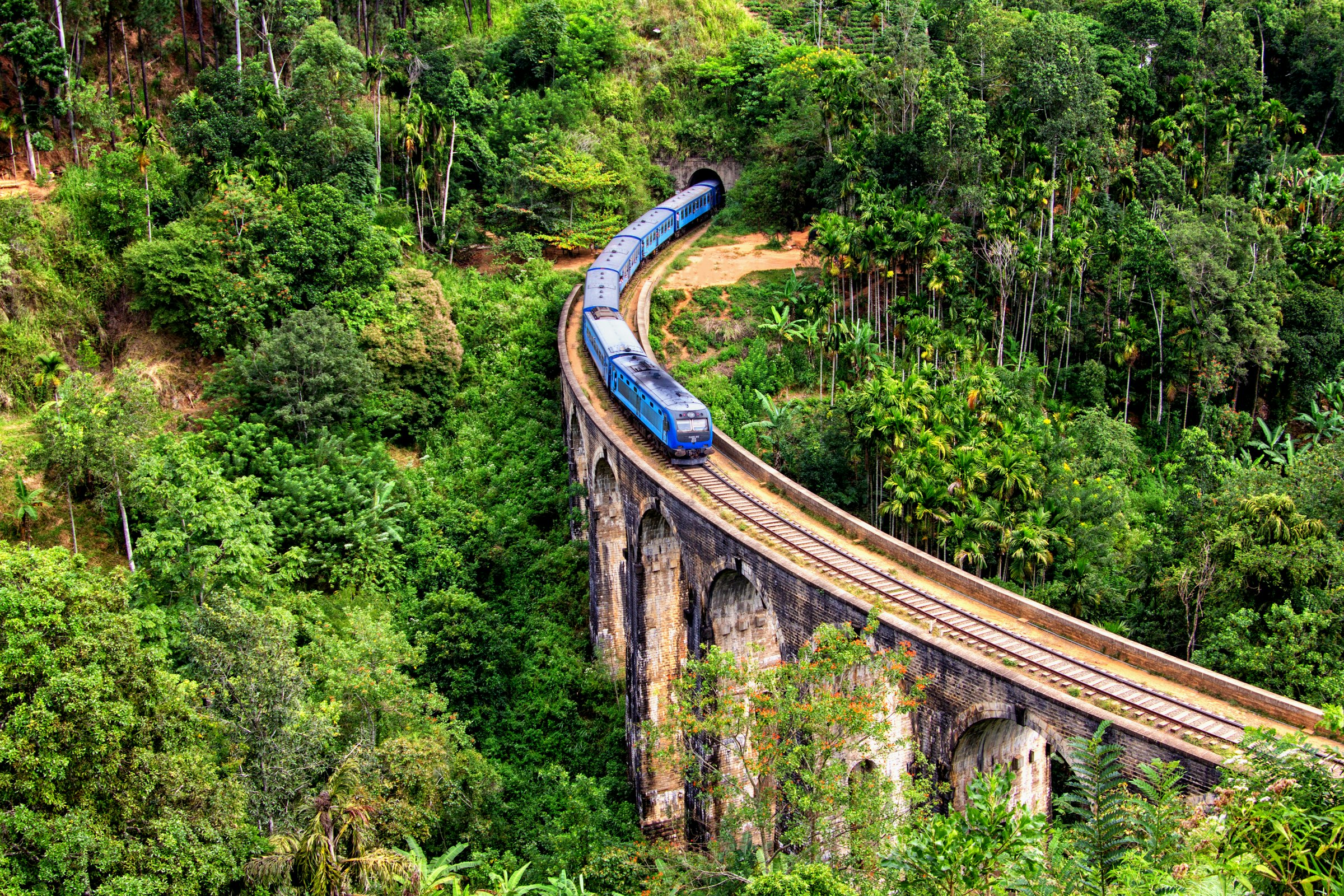
The southwest monsoon arrives, and the east coast takes over: Arugam Bay, Passikudah and Trincomalee are dry, calm and warm. The hill country remains comfortable, and the west coast still has plenty of clear days between afternoon showers.
October and November
The inter-monsoon shoulder, and the quietest time on the island. Expect short, heavy afternoon rain almost anywhere. Many Ayurvedic physicians consider these cooler, more humid months genuinely favourable for oil therapies, and rates are at their lowest. If your priority is treatment rather than beach weather, it is an underrated window.
The hill country, year-round
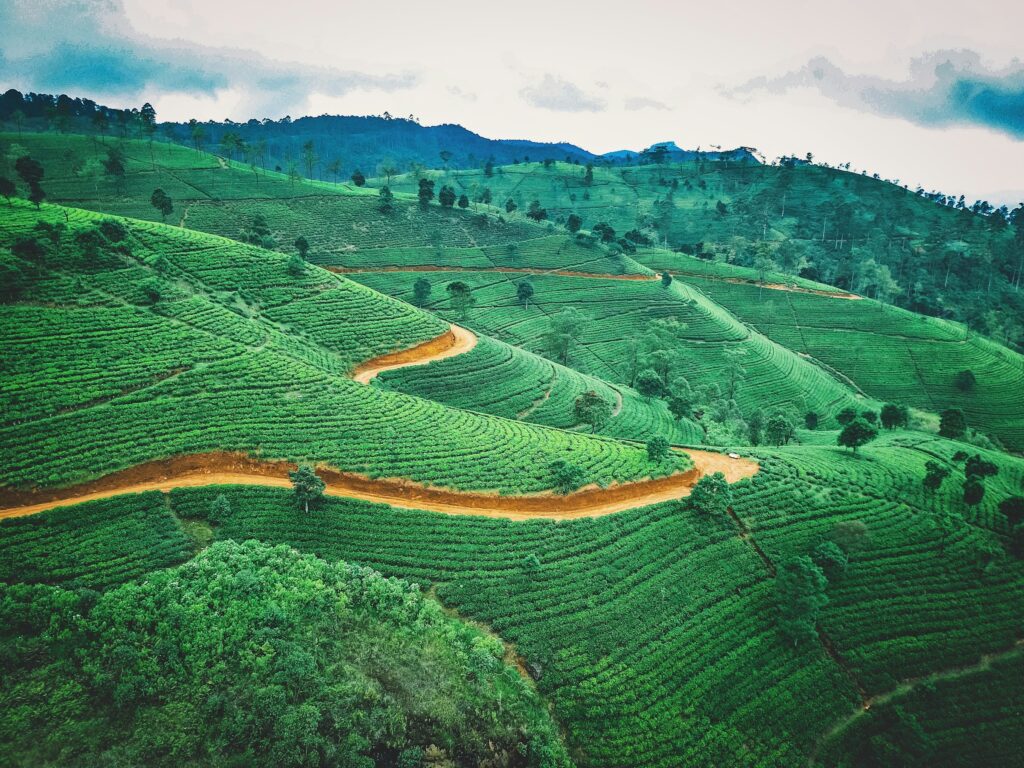
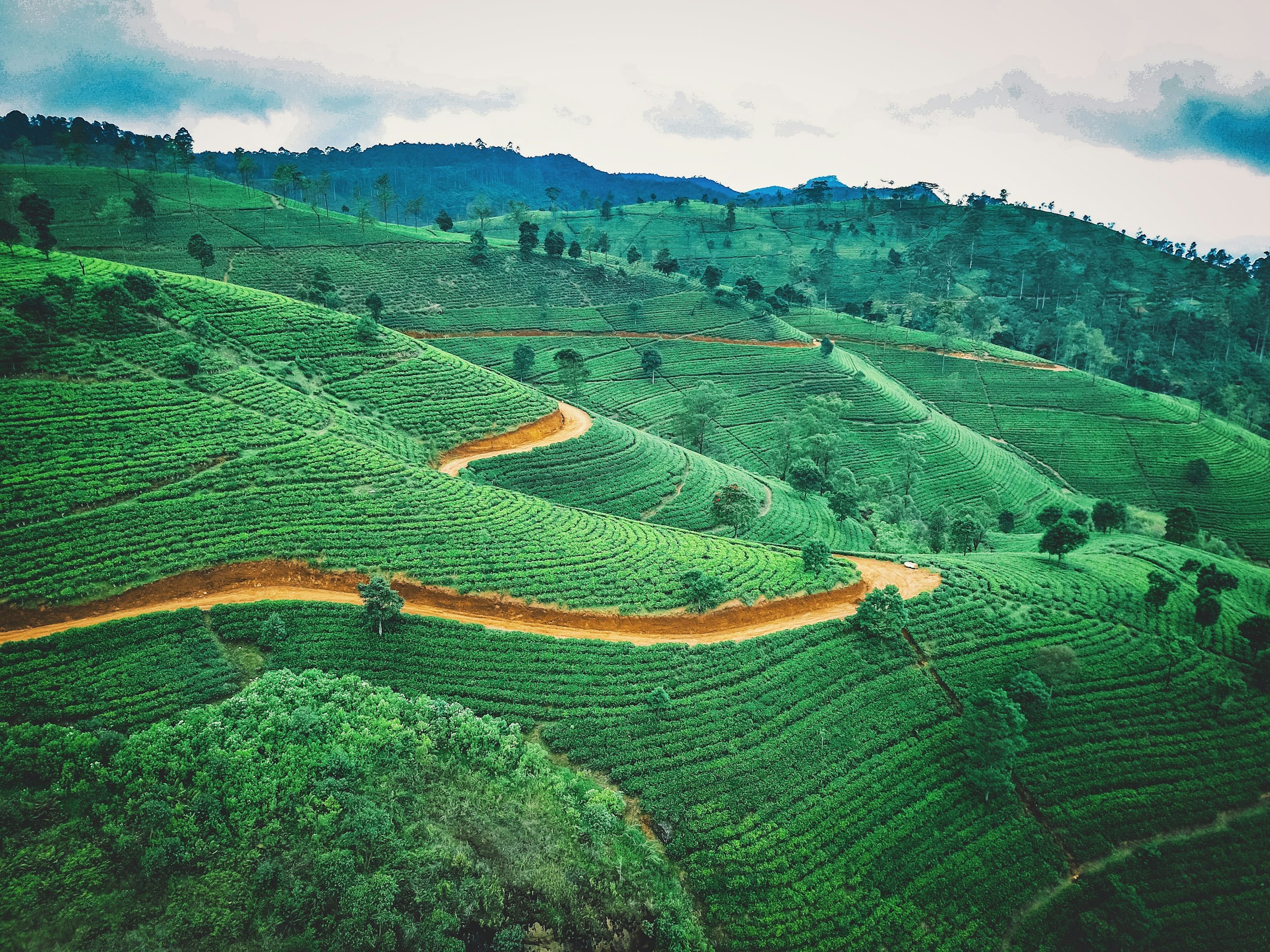
Above 1,000 metres the seasons matter far less. Nuwara Eliya sits at 1,900 metres with mornings around 8–12°C, and it is the most reliably restorative air on the island in any month.