01
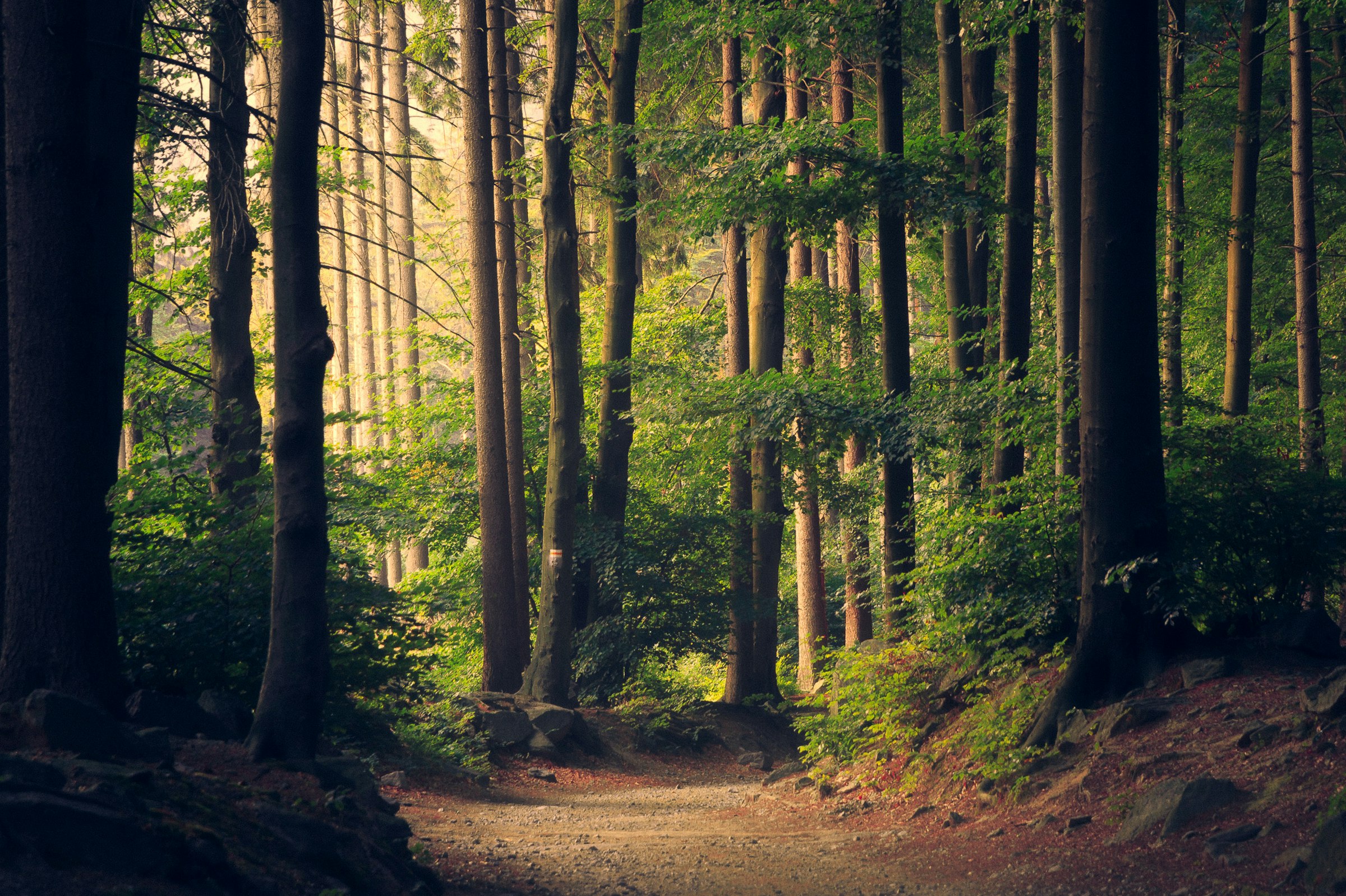
Sinharaja Rainforest
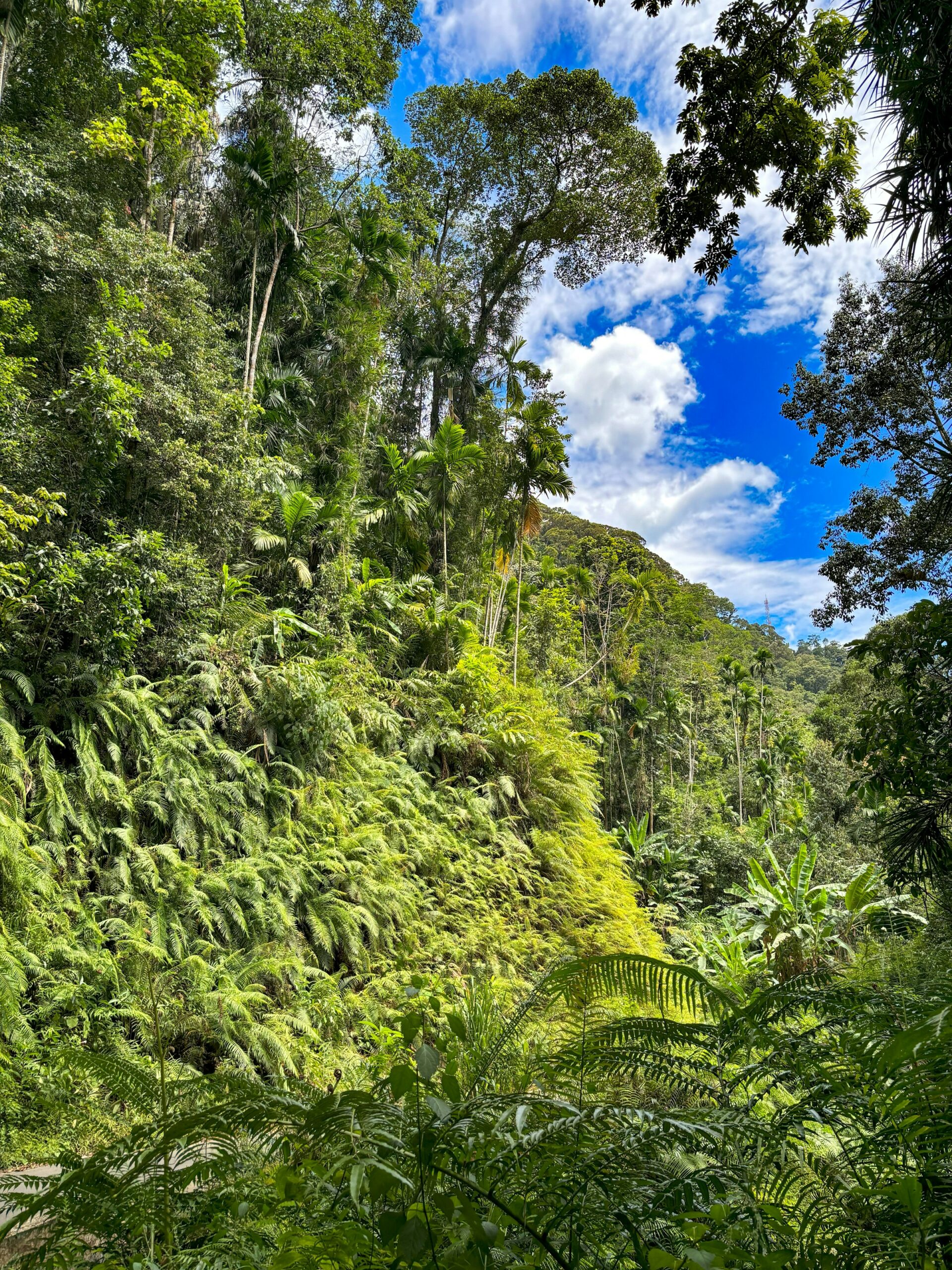
A UNESCO lowland rainforest and the last substantial primary forest on the island. Naturalist-led walks at first light, endemic birdsong, and almost no phone signal.
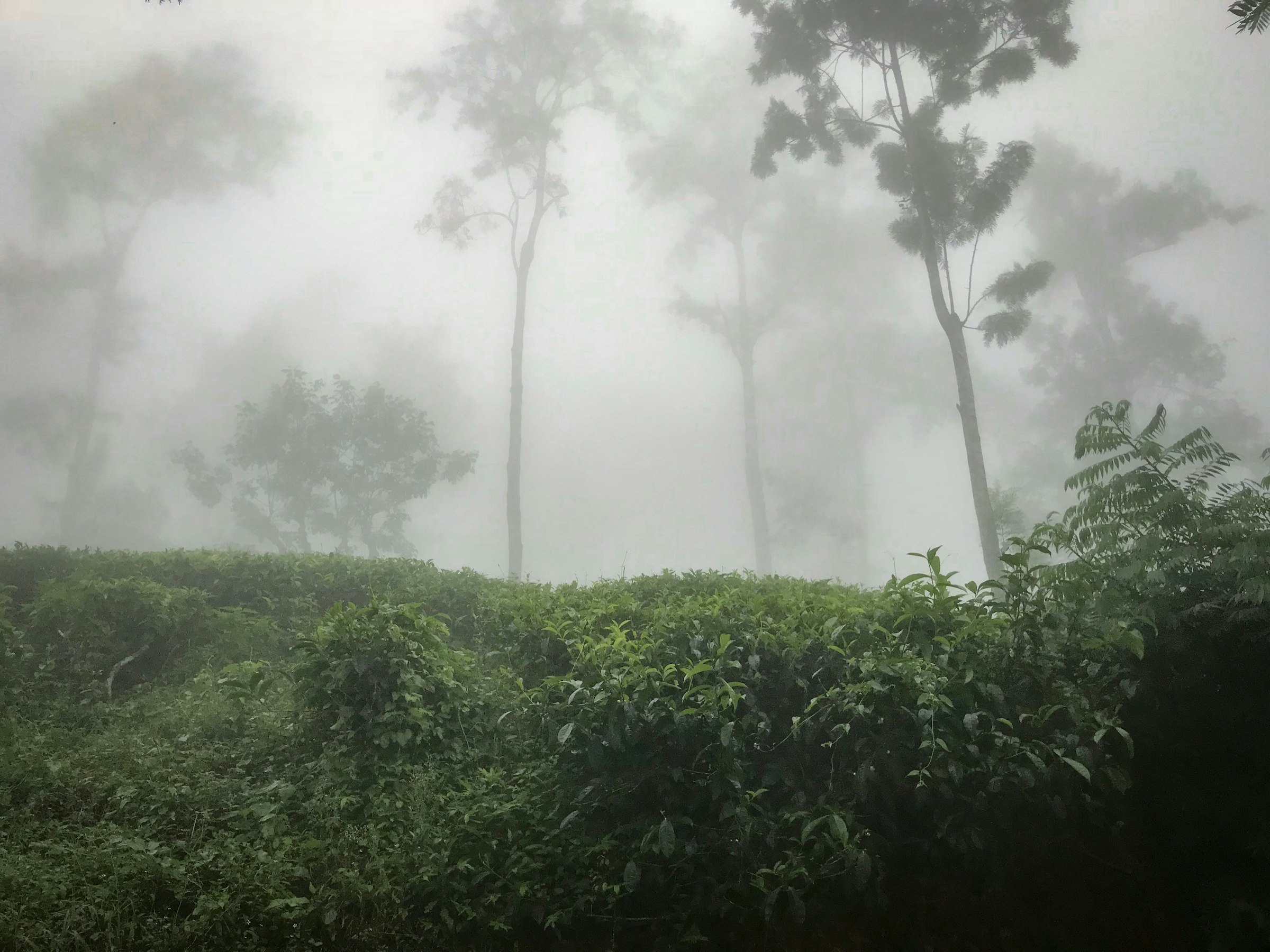
Rainforest, cloud forest and mountain air — the parts of a wellness journey that no treatment room can replicate.
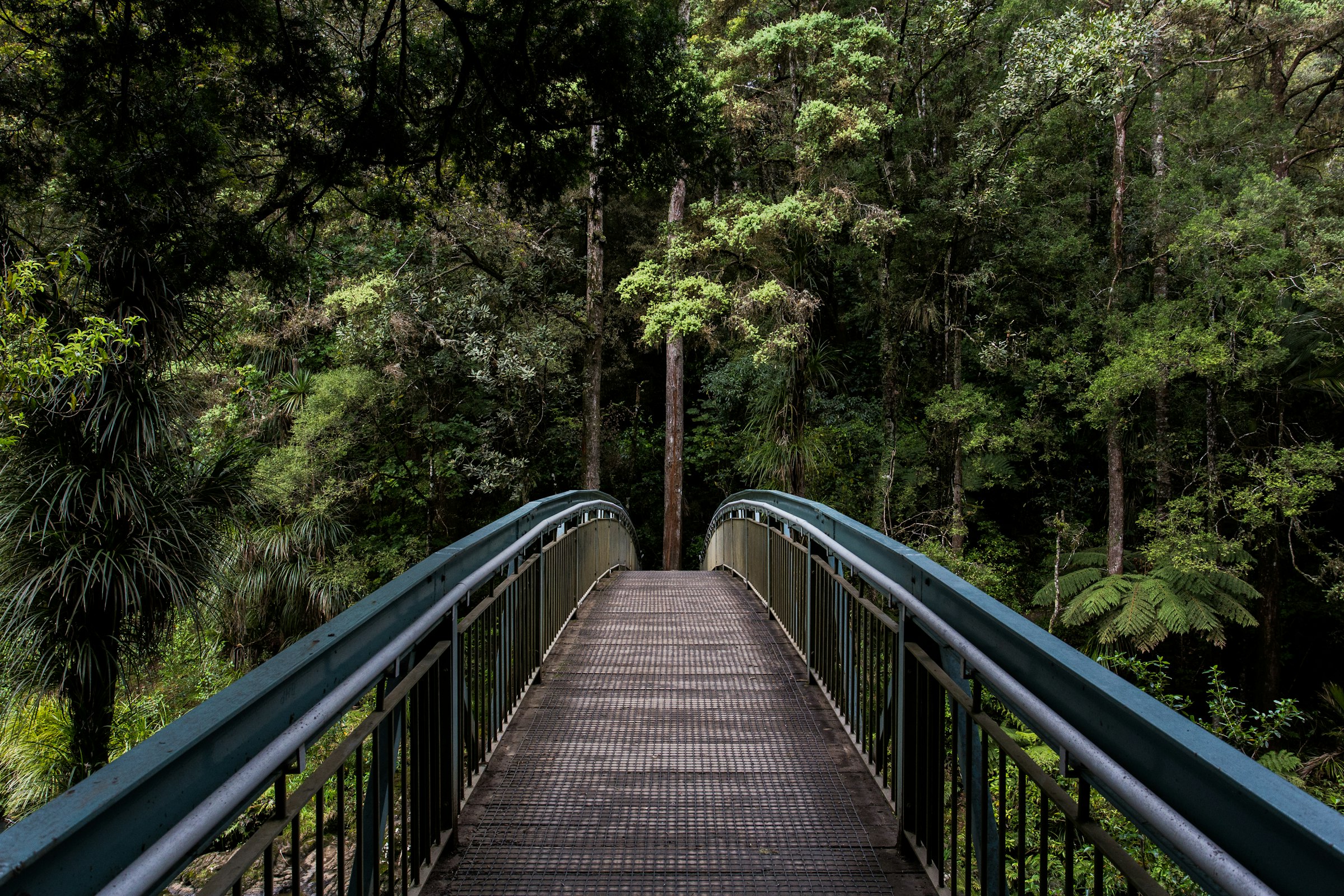
Sri Lanka is 65,610 square kilometres — smaller than Ireland — and holds lowland rainforest, cloud forest, montane grassland, dry-zone scrub and 1,340 kilometres of coastline.
That compression is unusually useful. You can finish a morning treatment at sea level and be walking under a rainforest canopy the same afternoon, or asleep at 1,900 metres under a blanket that night.
We build forest and hill time into most journeys deliberately: two or three nights, gentle walking, early nights, no itinerary to speak of. It is the part guests tend to describe afterwards as the bit that actually reset them.
None of these are hard travelling. All of them are quiet.
A UNESCO lowland rainforest and the last substantial primary forest on the island. Naturalist-led walks at first light, endemic birdsong, and almost no phone signal.
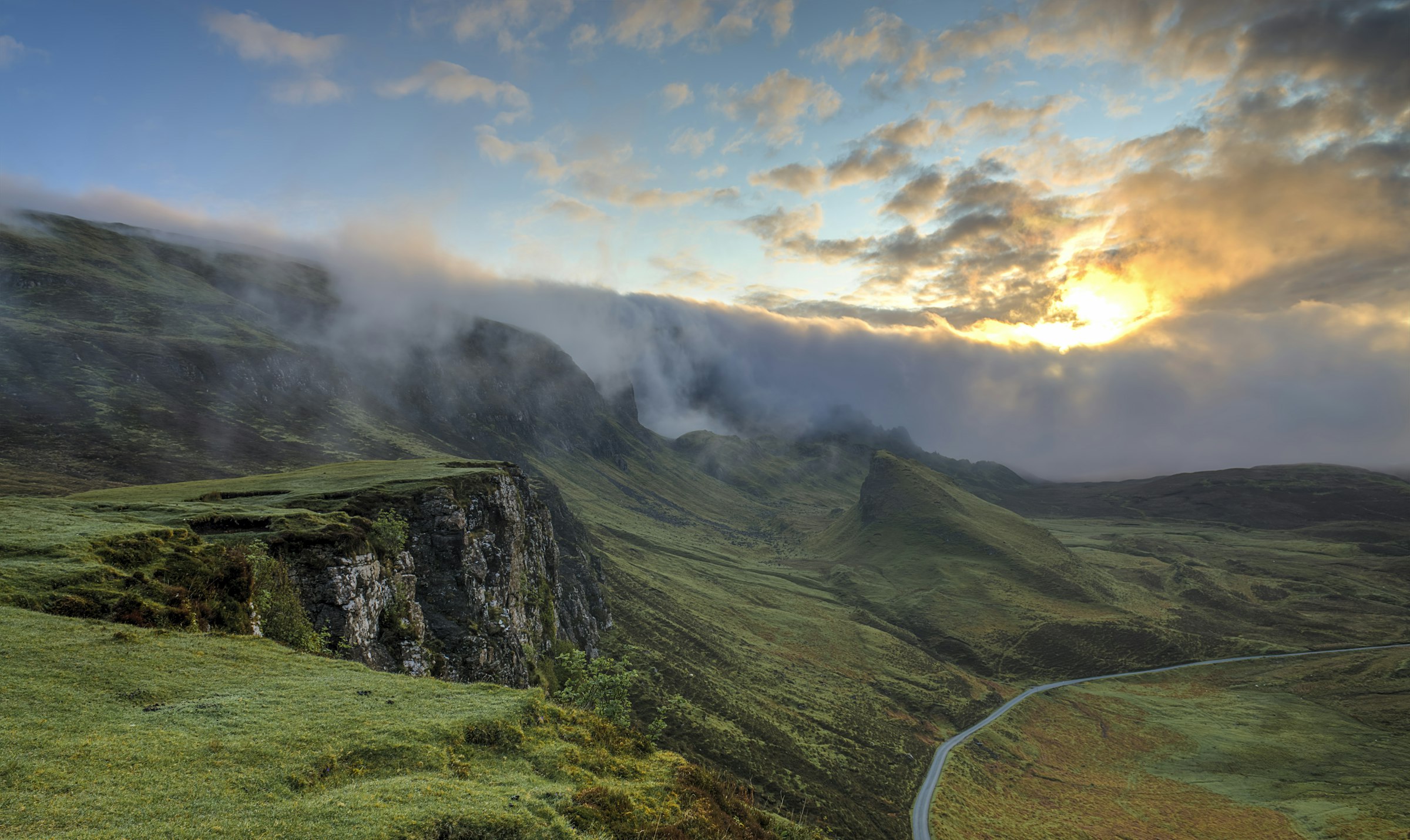
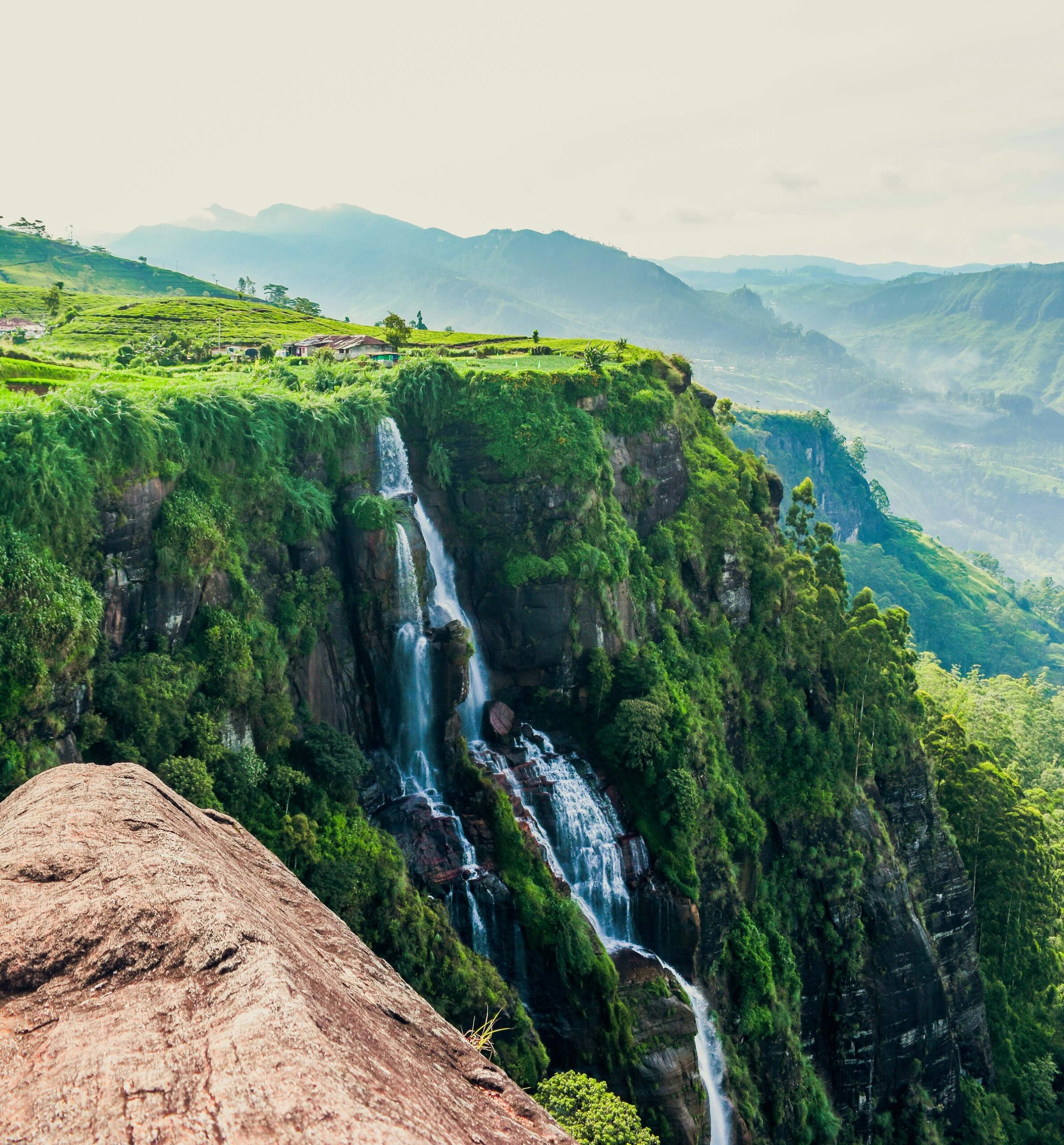
Cloud forest and montane grassland between 900 and 1,900 metres. Cool, quiet walking country with village trails and waterfalls, and very few other visitors.
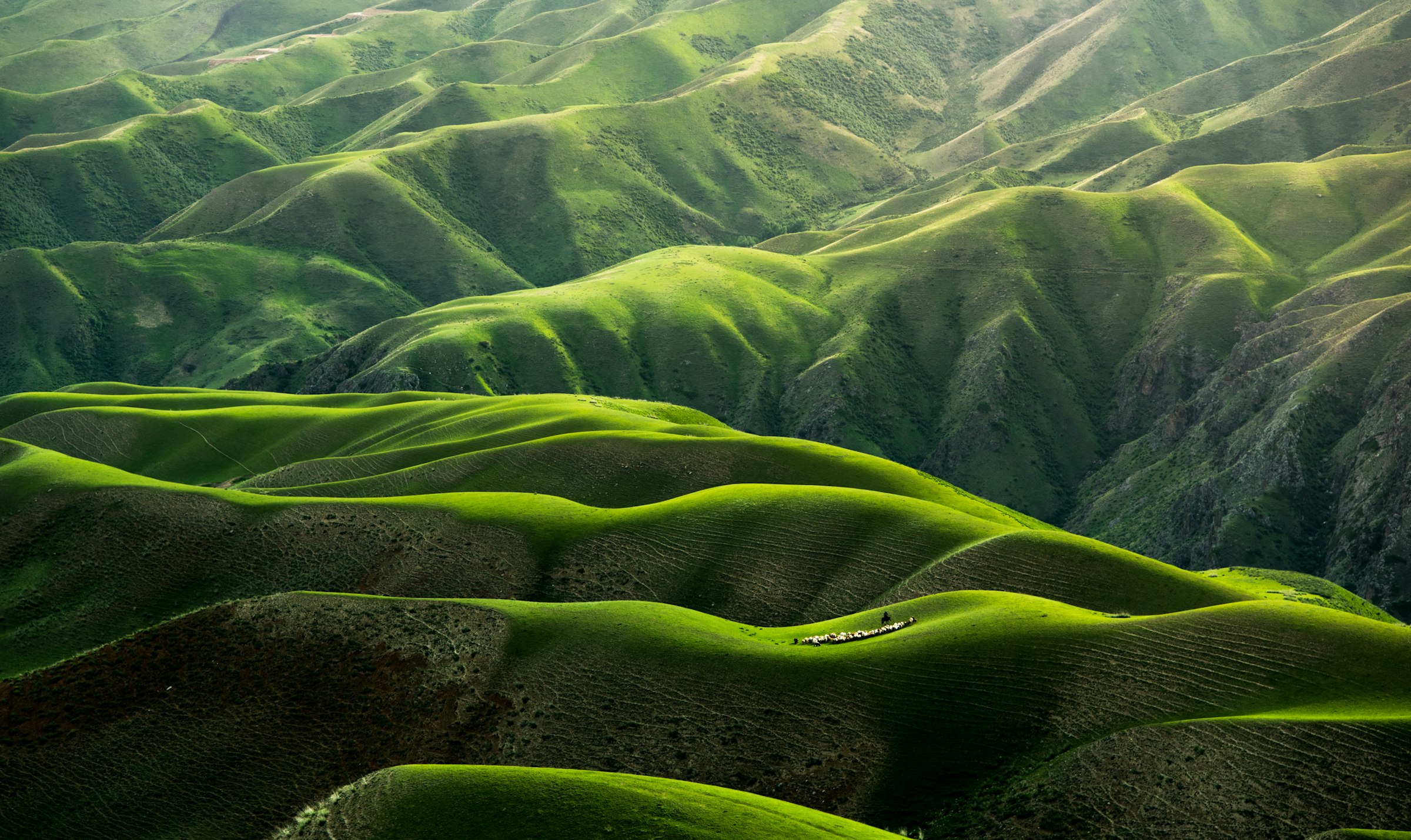
High plateau at 2,100 metres. A cold dawn walk to World’s End, where the escarpment drops away for nearly nine hundred metres, then breakfast in the mist.
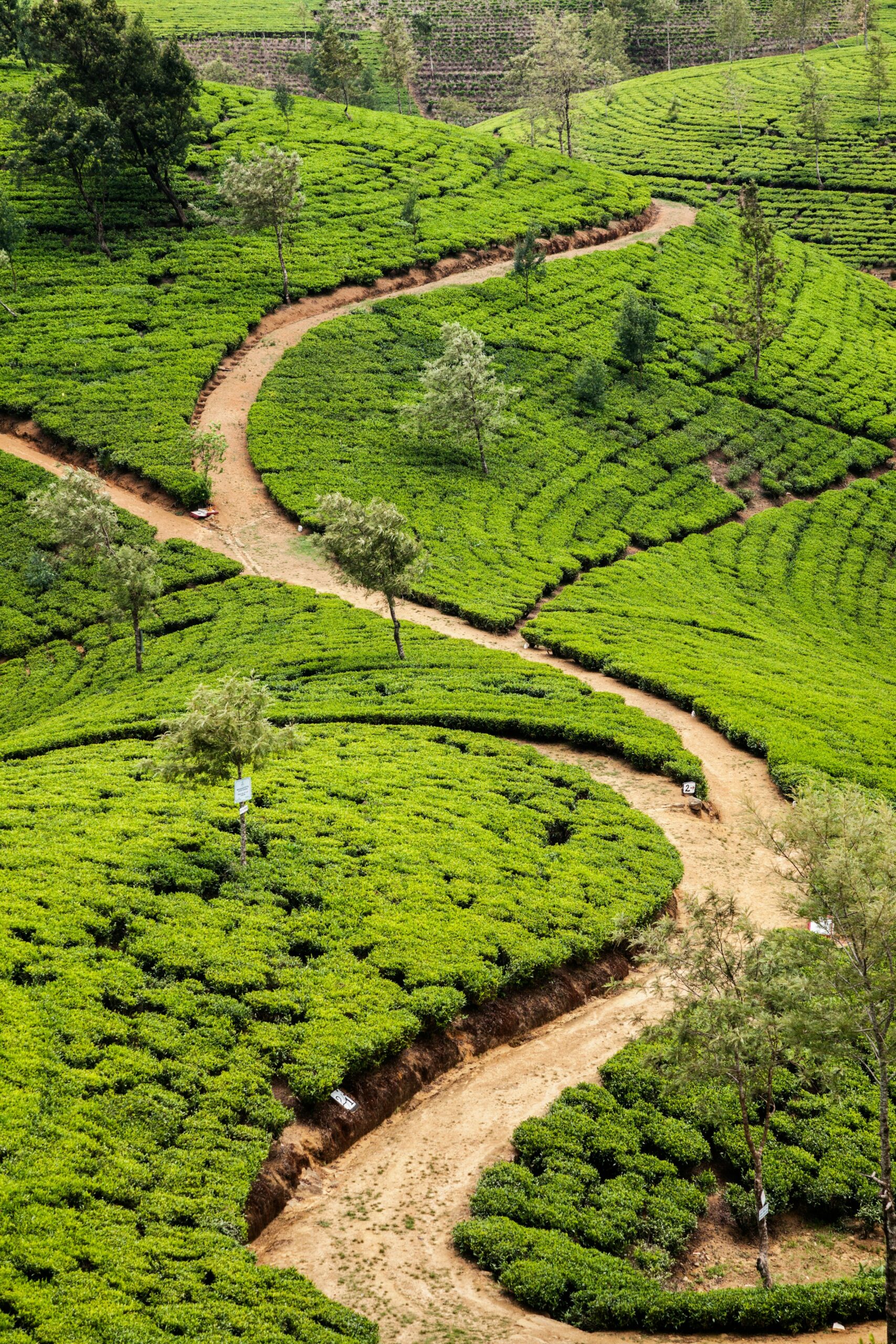
The gardens above Nuwara Eliya and Ella. Walking between the bushes at 1,900 metres, cold mornings, wood fires at night, and the deepest sleep of most people’s trip.
By day four I had stopped checking my phone at breakfast.
Honest details, because they matter more than the photographs.
Rainforest means rain, usually in the afternoon, and leeches on the wetter trails — guides carry salt and it is a non-event. Highland mornings are genuinely cold, around 8–12°C at Nuwara Eliya, so bring one warm layer. Walks are gentle unless you ask otherwise; the Horton Plains loop is nine kilometres and flat, and everything else can be shortened.
Drives are the real cost. Colombo to the hill country is four to six hours on winding roads. We build them in as part of the journey rather than pretending they are quick, and we never move you two days in a row.
If the answer you need is not here, message us on WhatsApp — a real person replies, usually within a few hours.
Very commonly. A frequent shape is eight to ten nights of treatment on the coast followed by four or five nights inland — Ella, the tea country, Sinharaja rainforest or the ancient sites around Sigiriya. We keep the sightseeing gentle and unhurried so it supports the programme instead of undoing it. A few intensive Ayurvedic programmes ask you to stay put, and we will say so clearly if that applies.
The island has two monsoons, so somewhere is always in season. For the west and south coasts and the hill country, December to April is driest. For the east coast, May to September. Ayurvedic centres operate year-round and many physicians consider the cooler, more humid months good for treatment. Tell us your travel window and we will match the destination to it.
Yes, and they are included in every journey. You are met inside the arrivals hall at Bandaranaike International (CMB) by a driver holding your name, with water and a cool towel in the car. Domestic connections, hill-country drives and the return transfer are all arranged for you.
Yes — that is the whole point of how we work. There are no fixed departures. You choose the dates, the length, the centre, how much of the island you see and how much you rest. If a proposal is not right, tell us and we will rebuild it. Most journeys go through two or three revisions before anyone pays anything.
Tell us your dates and what you need. We will design the rest.