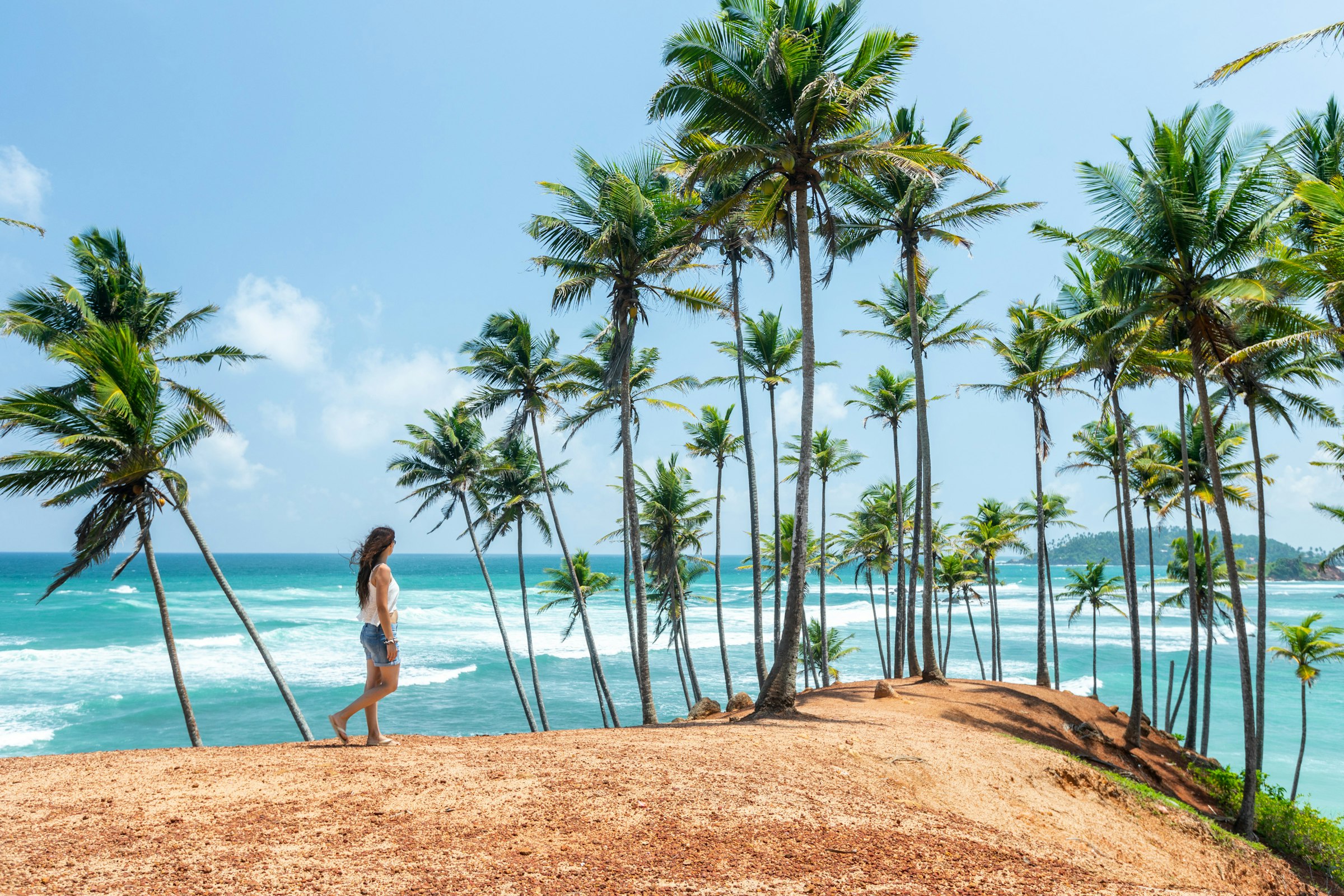
01
Sunrise swims
The water is around 27°C year-round on the south coast. Most guests end up in it before breakfast without anyone suggesting it.
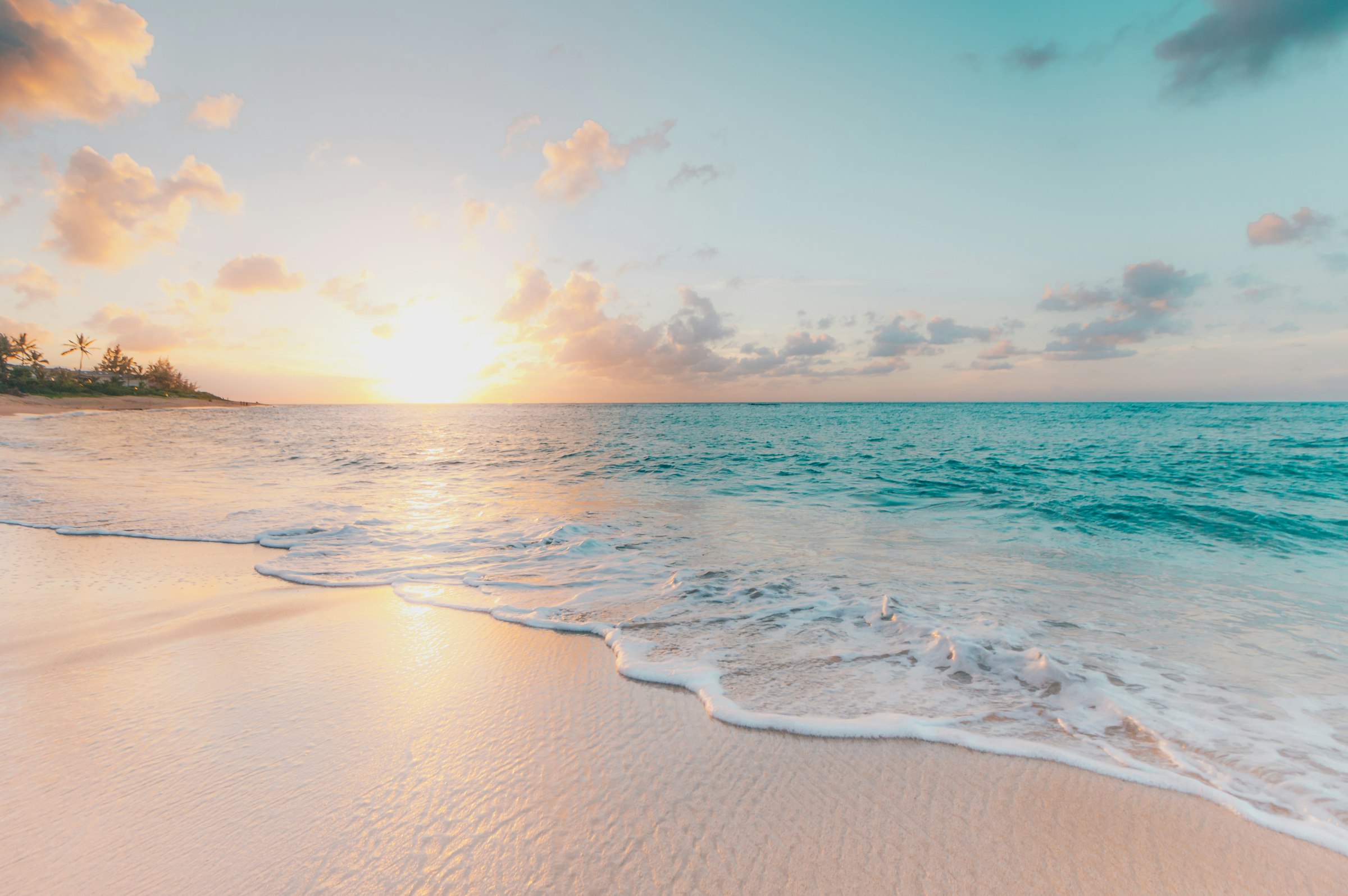
Salt water, sea air and 1,340 kilometres of coastline — the simplest restorative Sri Lanka offers.
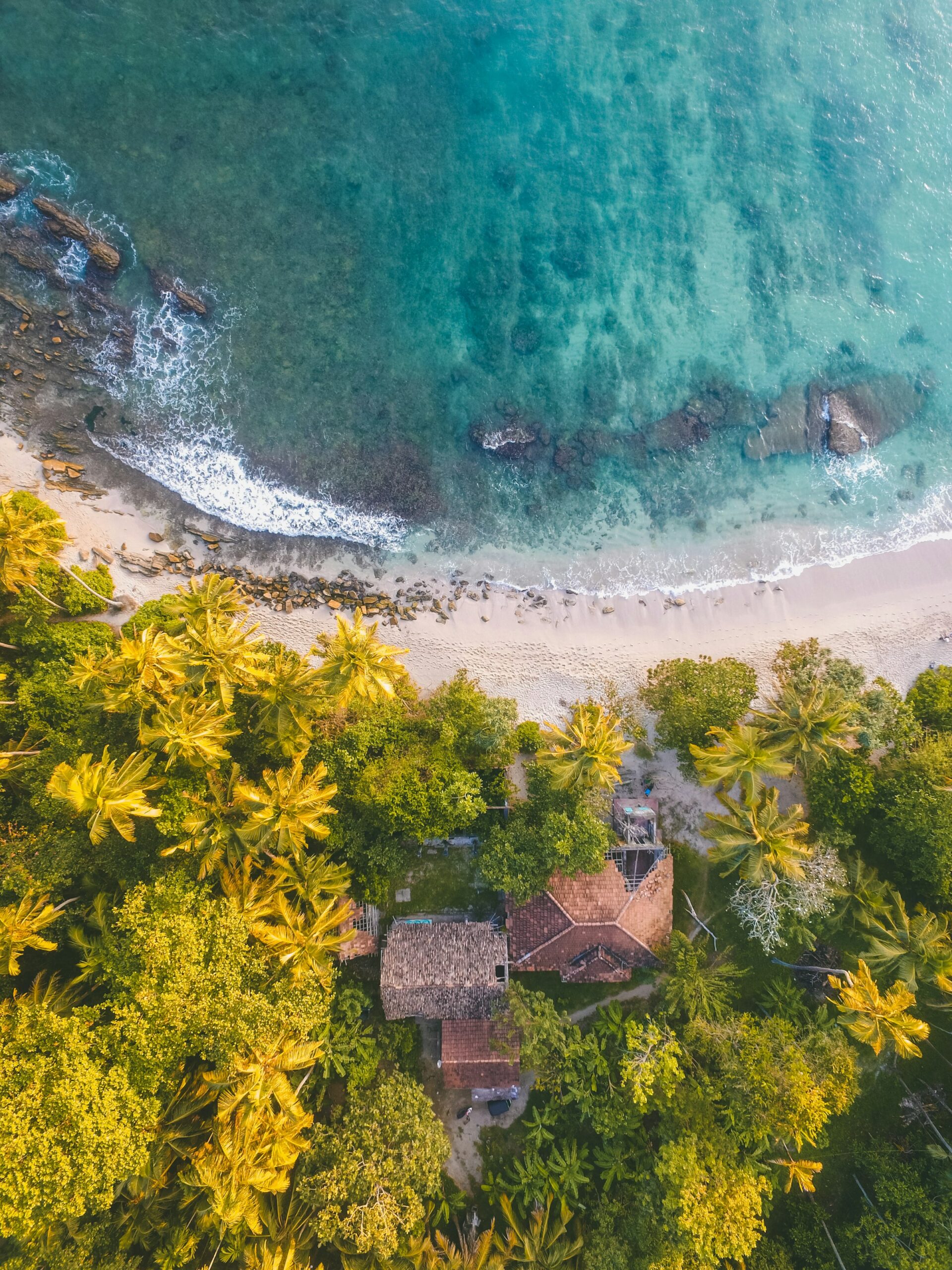
Sri Lankan Ayurveda has always used the sea. Coastal centres are sited deliberately: sea air, salt-water bathing after oil therapy, and the particular tiredness that comes from swimming rather than from working.
Practically, it means a journey with structure in the morning and open water in the afternoon. Treatment or practice until eleven, then the beach, then an early night. It is not a complicated formula, and it works on almost everyone.
The south and west coasts are calmest between December and April. From May to September the east coast — Arugam Bay, Passikudah, Trincomalee — takes over, which is why we ask about your dates before we suggest a place.
All optional, all gentle, none of them requiring you to be sporty.
The water is around 27°C year-round on the south coast. Most guests end up in it before breakfast without anyone suggesting it.
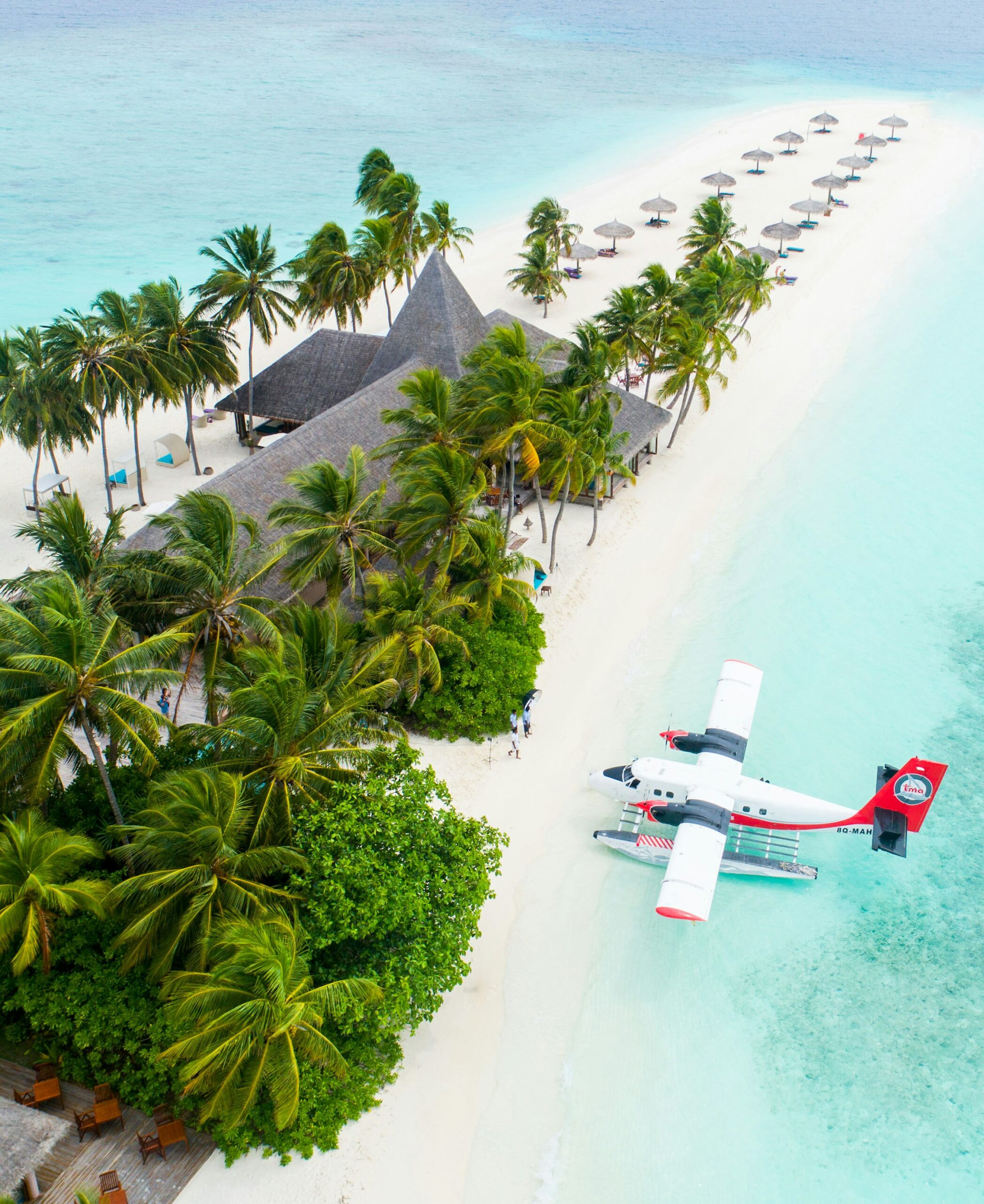
Weligama bay is wide, sandy and forgiving — one of the better places in the world to stand up for the first time. Lessons are one-to-one and unhurried.
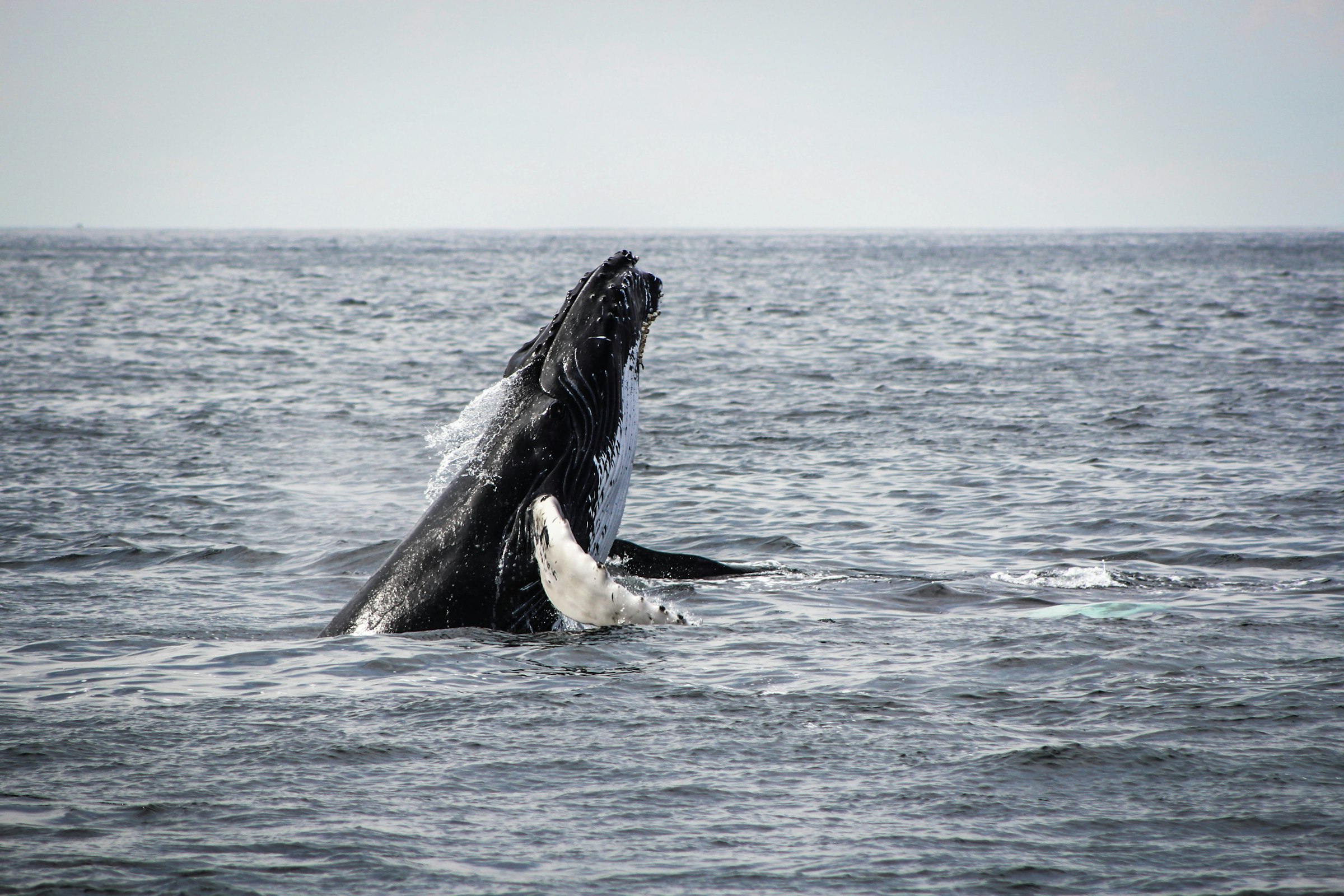
Blue whales and sperm whales pass the continental shelf between December and April. We use small operators who keep their distance and turn the engines down.
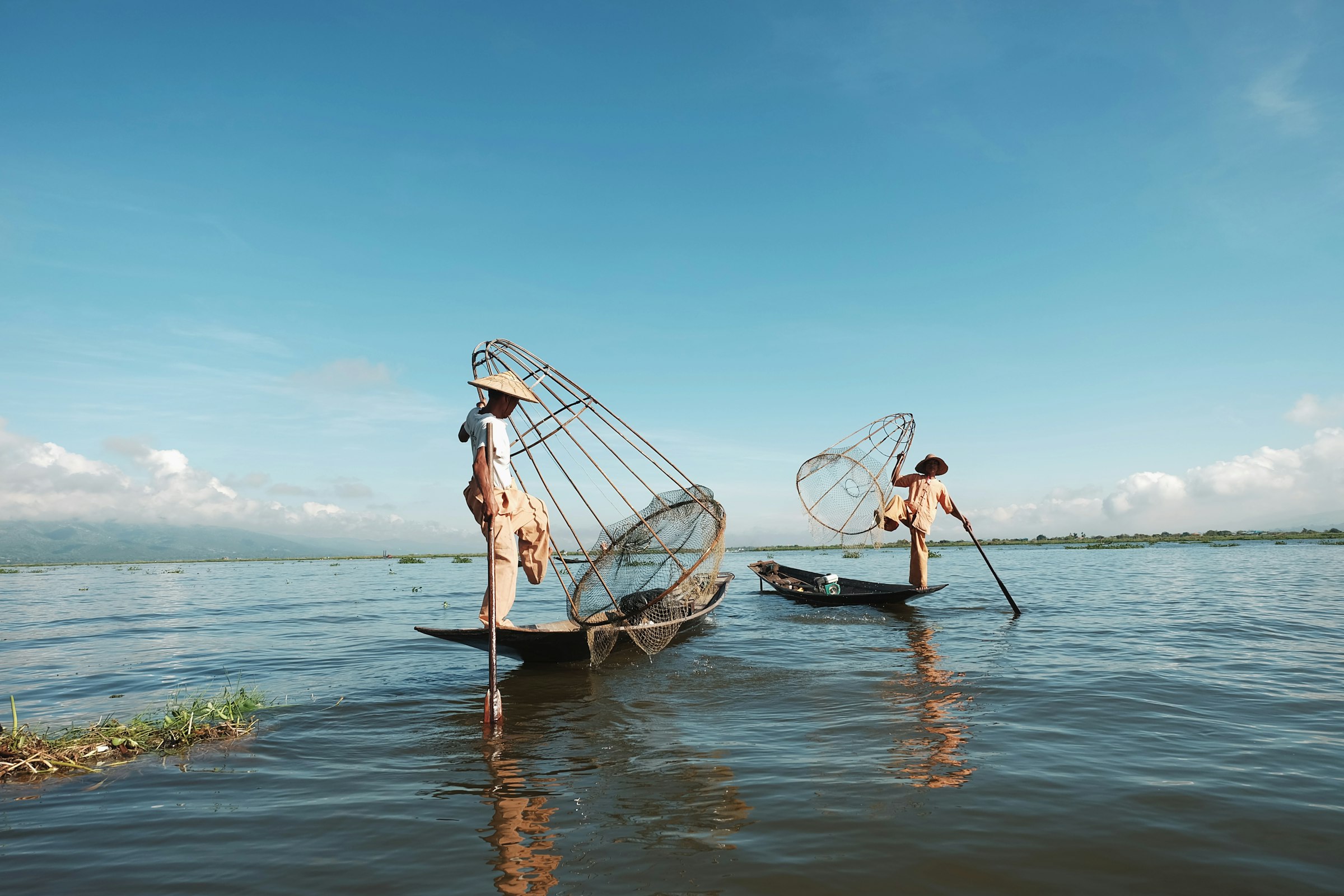
A tradition barely eighty years old and now largely for photographs — but at 6am in Koggala it is still a working shoreline, and worth the early start.
For a serious Ayurvedic programme, the west coast — Beruwala and Bentota — is where the long-established physician-led centres are, and it is ninety minutes from the airport, which matters when you land at 3am.
For yoga, rest and swimming, the south coast is quieter and prettier: Talalla, Tangalle, Hiriketiya, Weligama. Three to four hours from Colombo on the expressway.
A very common shape is treatment on the west coast, then a move south for the recovery week — a sea-facing room, a long beach, and almost nothing to do.
If the answer you need is not here, message us on WhatsApp — a real person replies, usually within a few hours.
The island has two monsoons, so somewhere is always in season. For the west and south coasts and the hill country, December to April is driest. For the east coast, May to September. Ayurvedic centres operate year-round and many physicians consider the cooler, more humid months good for treatment. Tell us your travel window and we will match the destination to it.
Very commonly. A frequent shape is eight to ten nights of treatment on the coast followed by four or five nights inland — Ella, the tea country, Sinharaja rainforest or the ancient sites around Sigiriya. We keep the sightseeing gentle and unhurried so it supports the programme instead of undoing it. A few intensive Ayurvedic programmes ask you to stay put, and we will say so clearly if that applies.
Yes, and they are included in every journey. You are met inside the arrivals hall at Bandaranaike International (CMB) by a driver holding your name, with water and a cool towel in the car. Domestic connections, hill-country drives and the return transfer are all arranged for you.
Yes — that is the whole point of how we work. There are no fixed departures. You choose the dates, the length, the centre, how much of the island you see and how much you rest. If a proposal is not right, tell us and we will rebuild it. Most journeys go through two or three revisions before anyone pays anything.
Tell us your dates and what you need. We will design the rest.