01
Days 1–2 — Settle
Consultation, the first light treatments and a dietary shift. Caffeine withdrawal usually announces itself around now.
Gentle, supervised cleansing built on herbal medicine, prescribed food and a great deal of sleep — never on deprivation.
The word detox has been used to sell some fairly unpleasant things. Sri Lankan Ayurvedic cleansing is not one of them.
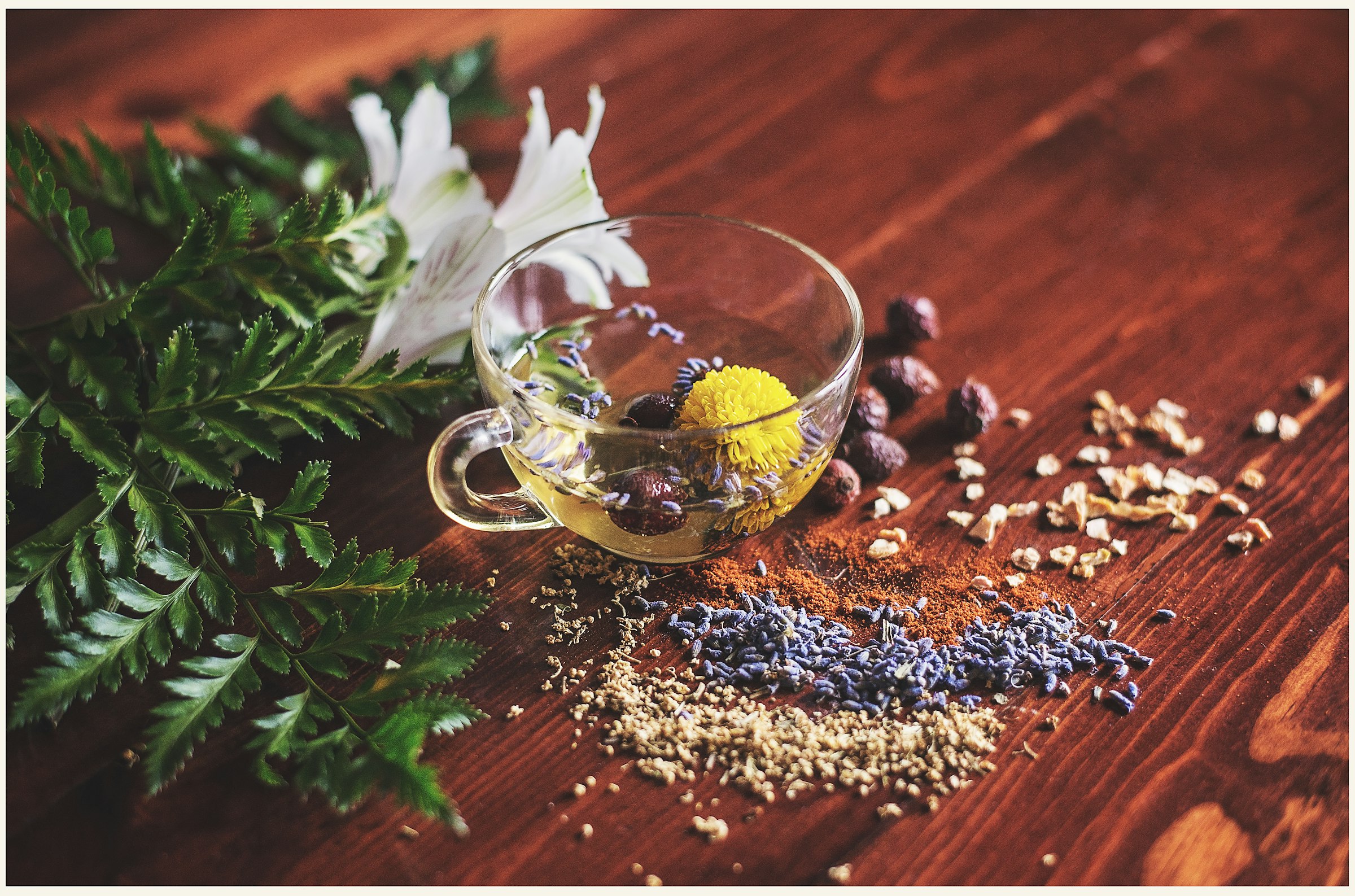
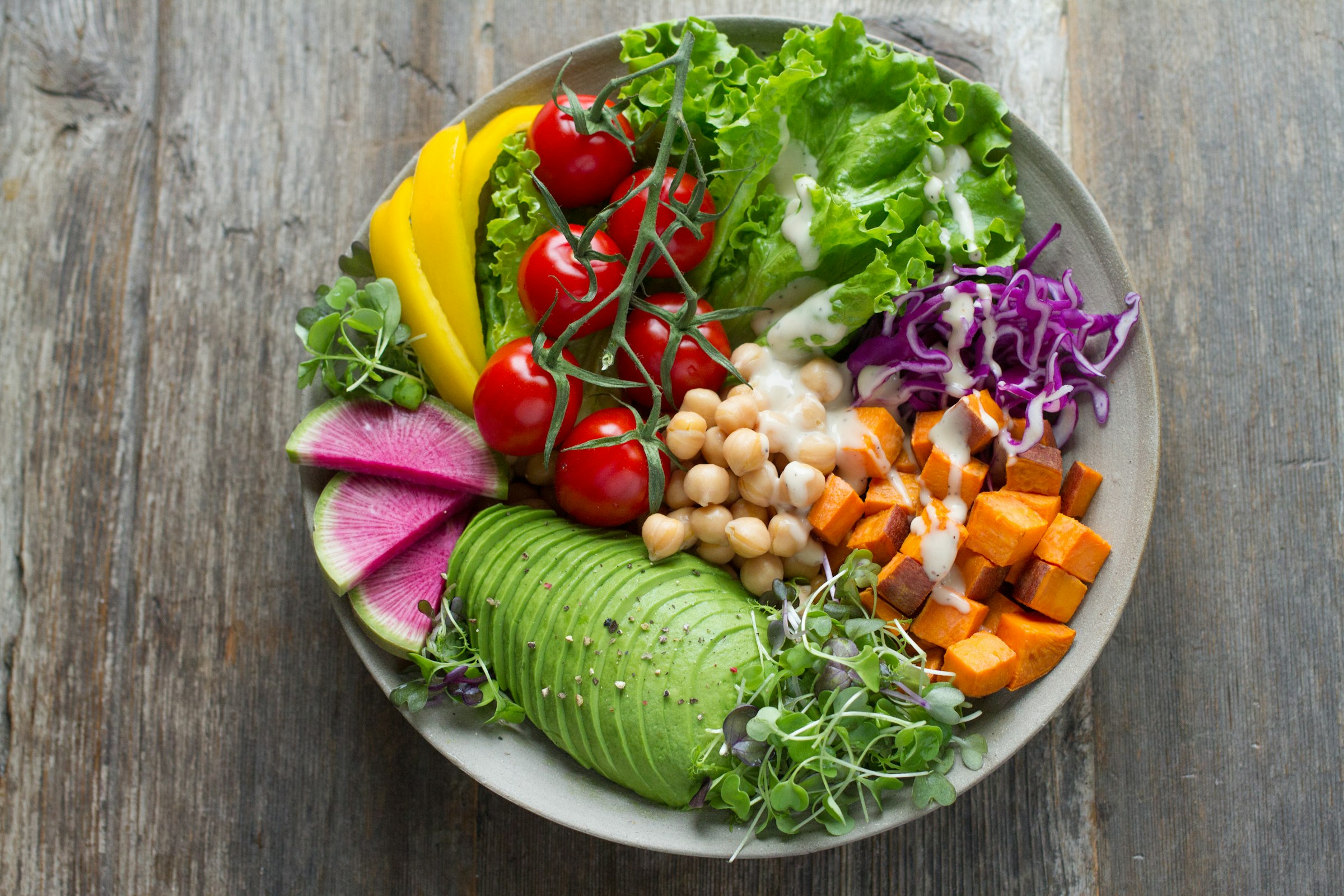
A supervised programme here is built on prescribed herbal decoctions (kashaya), warm oil therapies to loosen what the tradition calls accumulated ama, and a simple, warm, easily-digested diet — red rice, mung dhal, gourd curries and kola kenda, the green herbal porridge, at breakfast. You will eat three times a day. You will not be hungry.
What you will not have is alcohol, coffee, refined sugar or a schedule. Most guests find the absence of the last one hardest for about seventy-two hours.
Every plan is individual, but this is the arc most guests move through.
Consultation, the first light treatments and a dietary shift. Caffeine withdrawal usually announces itself around now.
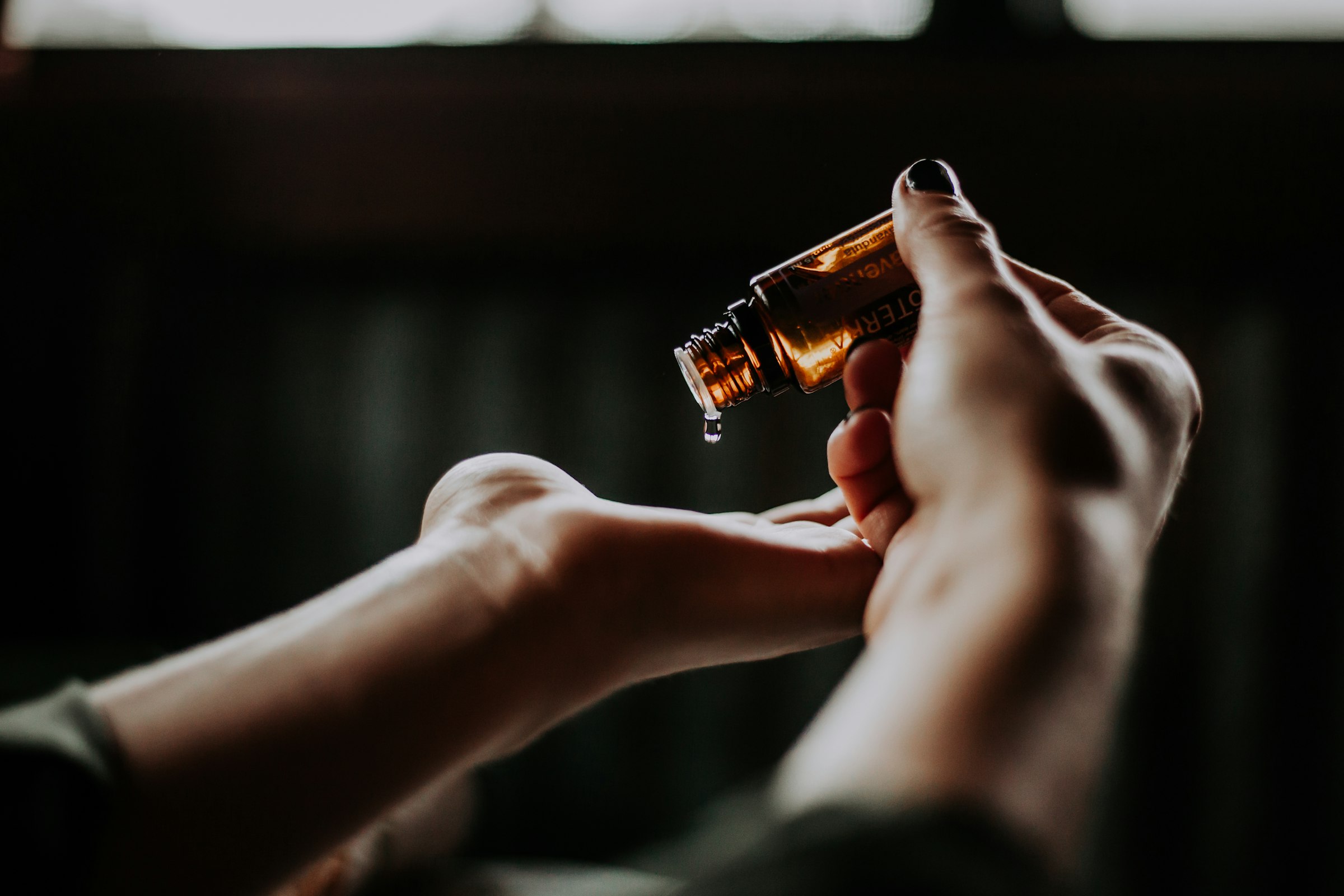
The main therapies and decoctions, with the physician reviewing daily. Practice becomes very gentle. Sleep becomes the priority.
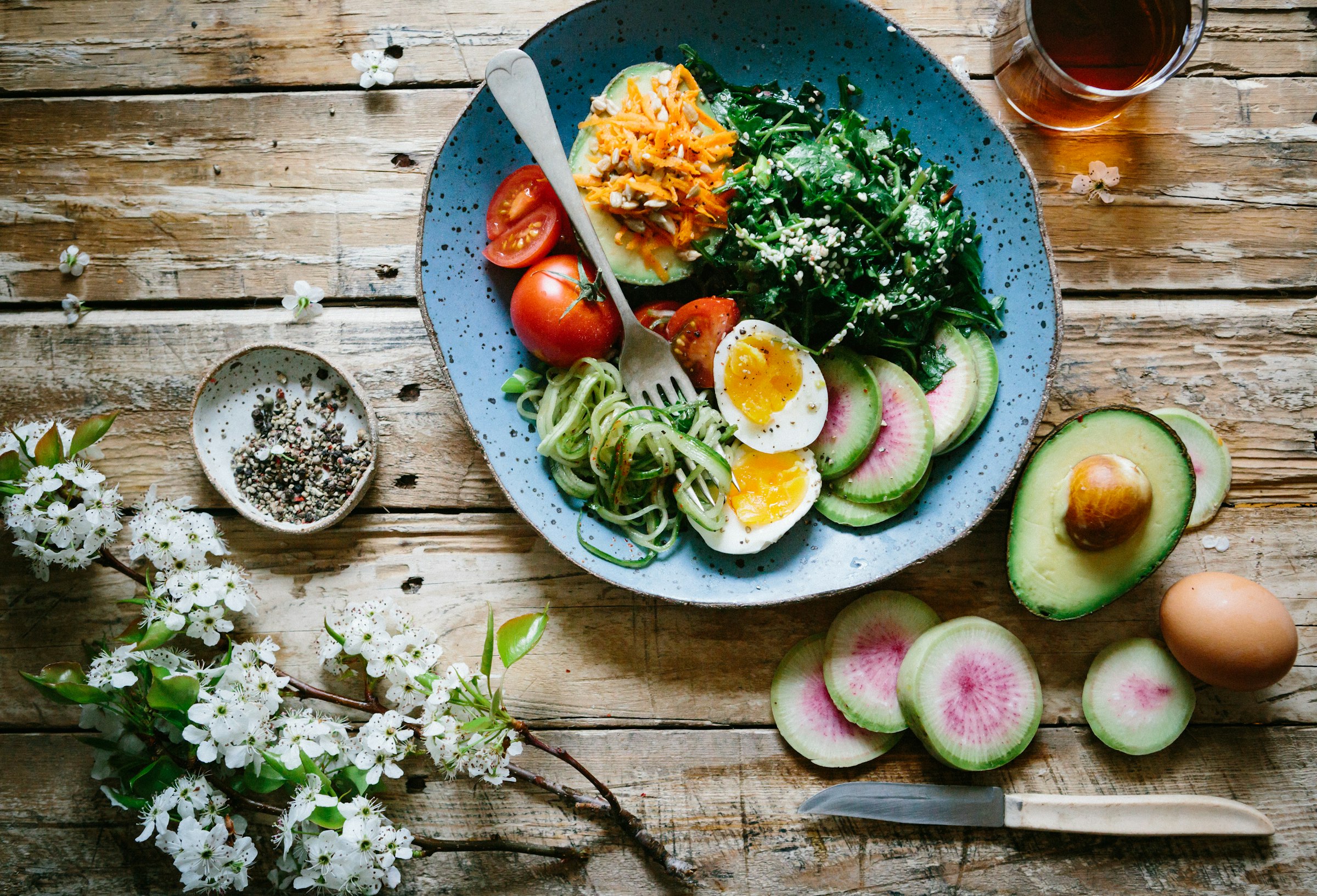
Strengthening food is reintroduced, treatments become nourishing rather than clearing, and appetite and energy return.
A closing consultation gives you a take-home plan: which foods, which routine, which herbs. The part that survives the flight home.
Cleansing programmes suit people carrying long-term fatigue, disrupted sleep, digestive complaints they have stopped mentioning to anyone, or simply years of not stopping.
They suit people less well if you want to see the island. A cleansing course asks you to stay in one place, and moving hotels halfway through undoes much of the work. If you want both, book a longer trip and put the travel afterwards.
Ten to fourteen nights is the sensible range. Seven is possible and still worthwhile. Under seven, we would rather sell you a rest holiday and say so.
If the answer you need is not here, message us on WhatsApp — a real person replies, usually within a few hours.
On your first full day a registered Ayurveda physician examines you — pulse, observation and a long conversation about sleep, digestion, work and stress. From that they write a treatment plan for your constitution, which usually means one or two therapies a day, prescribed herbal medicine and a diet adjusted to you. The physician reviews your progress through the stay and sends you home with a plan you can actually keep.
Very commonly. A frequent shape is eight to ten nights of treatment on the coast followed by four or five nights inland — Ella, the tea country, Sinharaja rainforest or the ancient sites around Sigiriya. We keep the sightseeing gentle and unhurried so it supports the programme instead of undoing it. A few intensive Ayurvedic programmes ask you to stay put, and we will say so clearly if that applies.
As a guide, a seven-night Ayurvedic programme with full board, daily treatments and transfers starts at around €1,450 per person. Ten to fourteen nights typically runs €2,250–€3,500, and a three-week Panchakarma from about €4,650. Simpler, family-run centres cost less; luxury properties cost more. International flights are additional. We will always tell you honestly what your budget can and cannot buy here.
The island has two monsoons, so somewhere is always in season. For the west and south coasts and the hill country, December to April is driest. For the east coast, May to September. Ayurvedic centres operate year-round and many physicians consider the cooler, more humid months good for treatment. Tell us your travel window and we will match the destination to it.
Tell us your dates and what you need. We will design the rest.