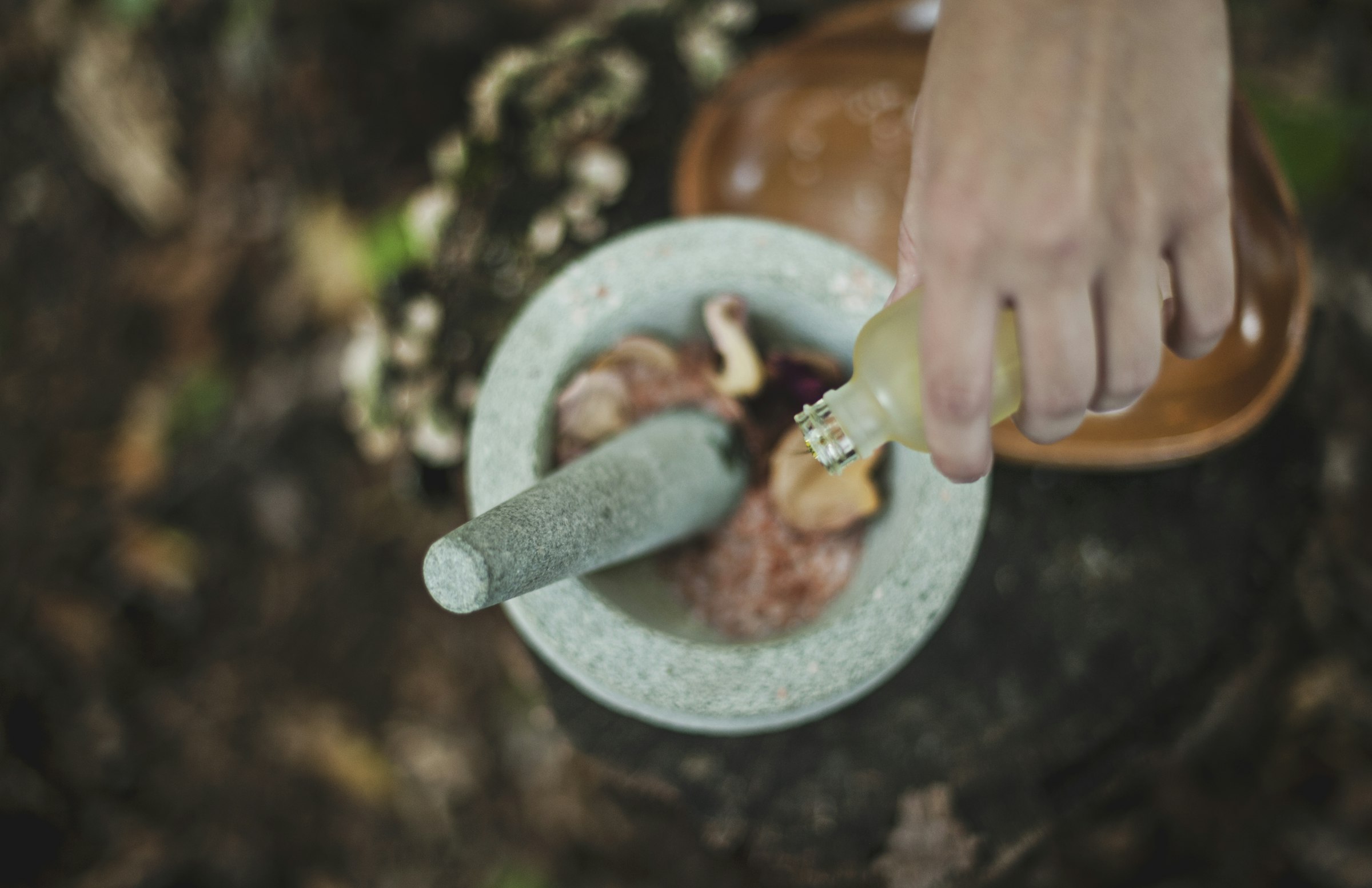
Ayurvedic Heritage
Two thousand years of continuous practice, a state register of physicians and a village practitioner within reach of most communities on the island.
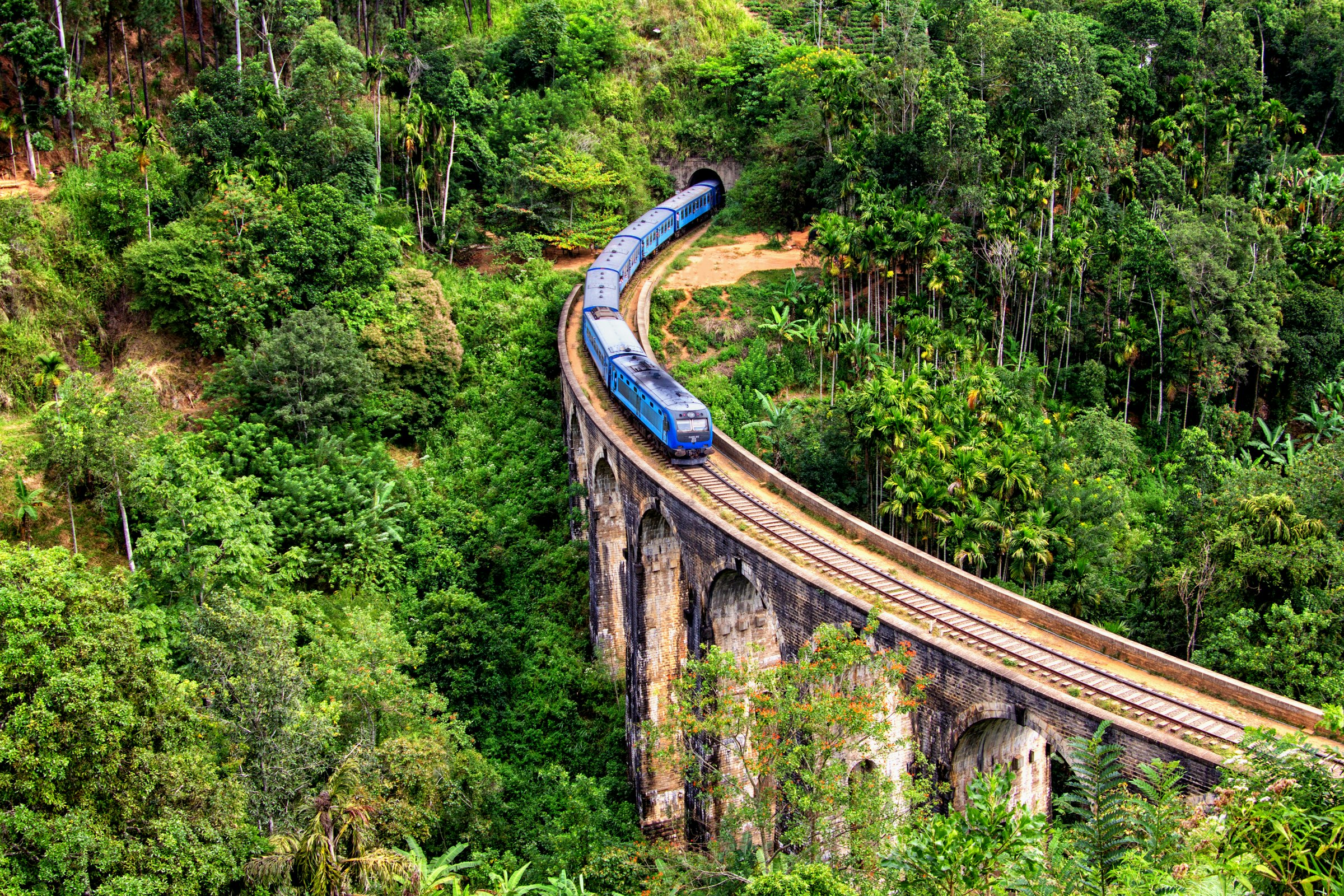
Ancient wisdom, tropical nature and one island small enough to cross in a day.
Few places hold this much variety inside so small a space — and almost nowhere else has practised this kind of medicine continuously for two thousand years.
Two thousand years of continuous practice, a state register of physicians and a village practitioner within reach of most communities on the island.
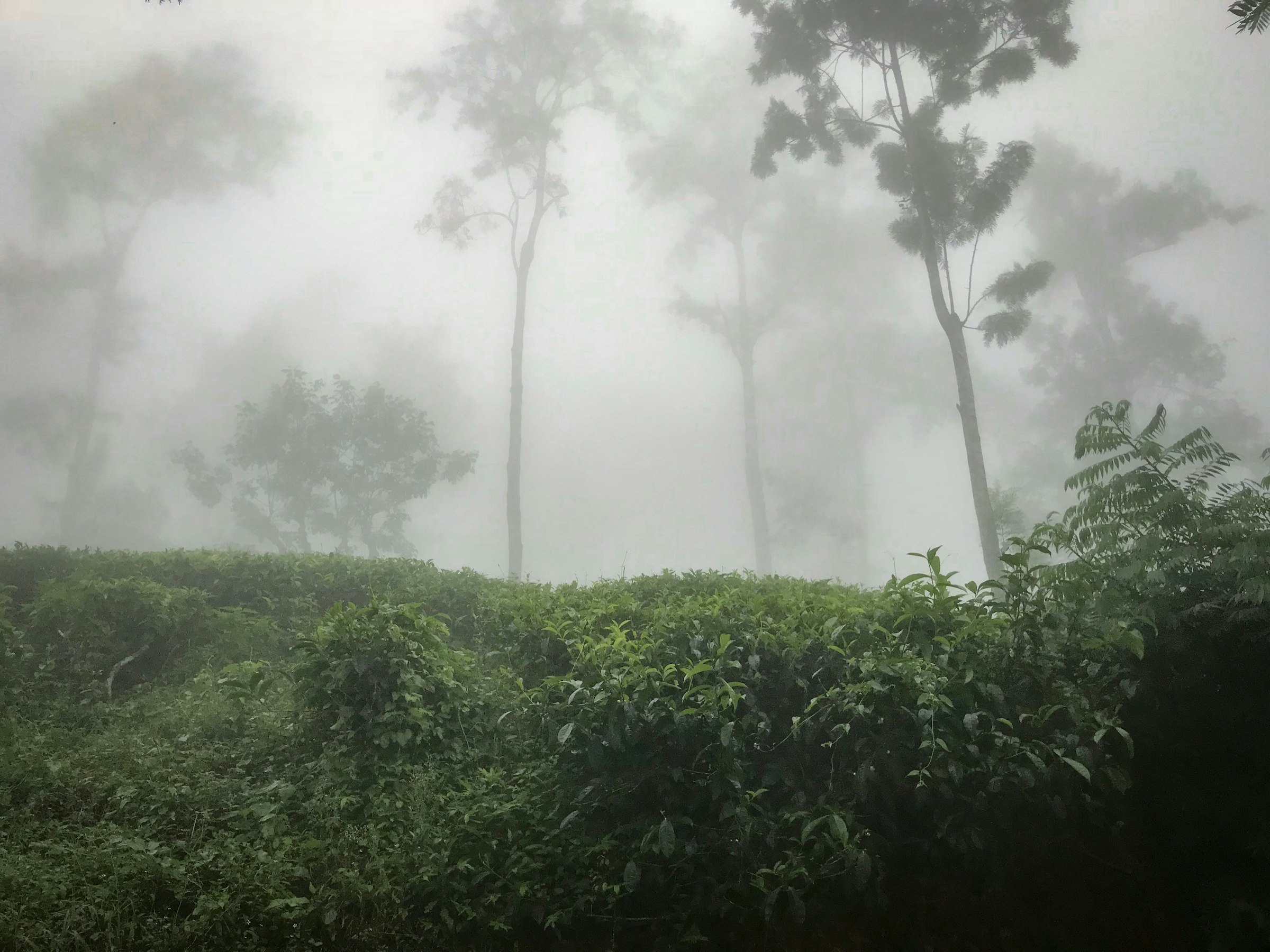
Rainforest, cloud forest and 1,340km of coastline inside an island you can cross in a day — with two monsoons, so somewhere is always in season.
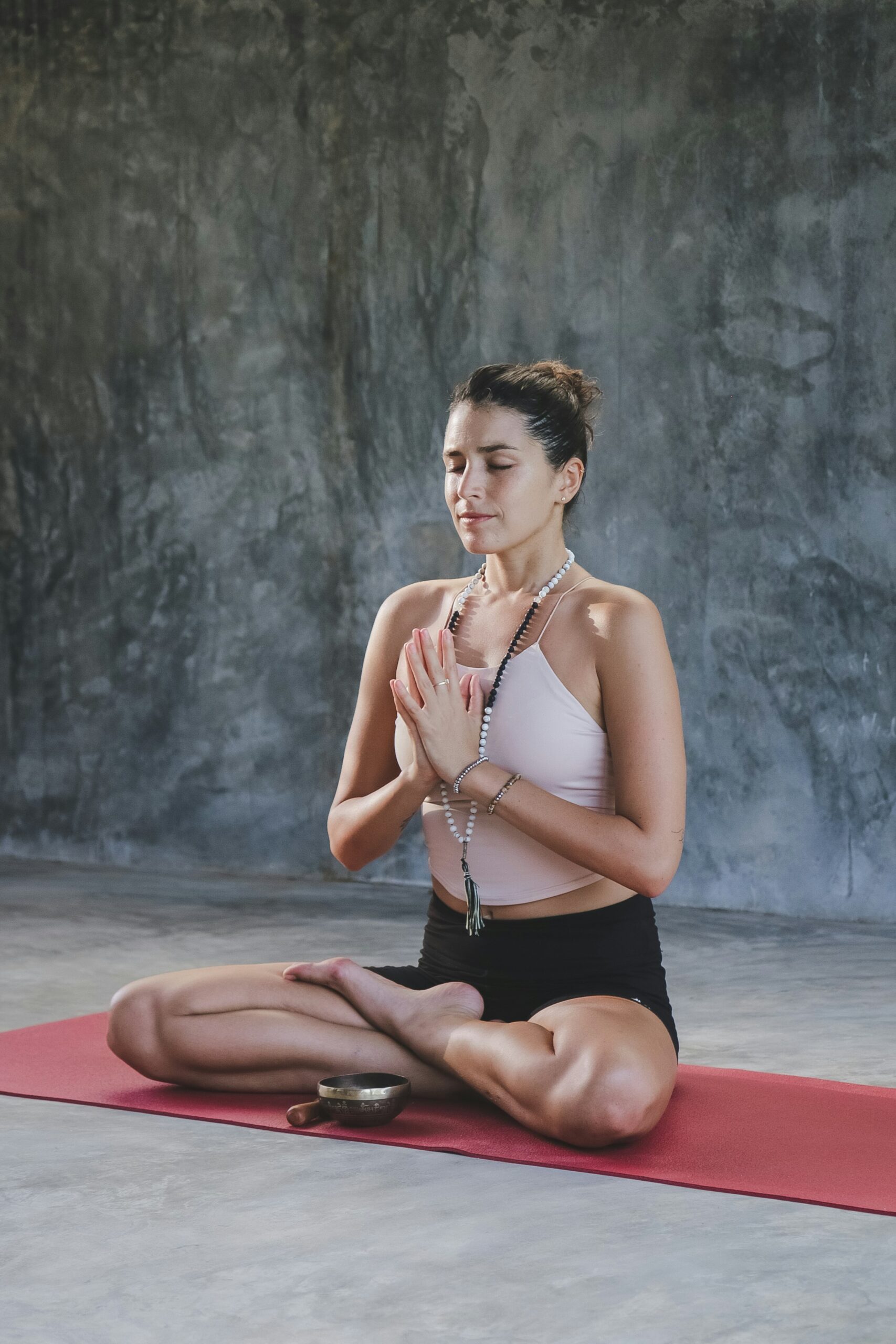
Theravada Buddhism has been taught here since the 3rd century BCE. Meditation is ordinary life, not a retreat product.
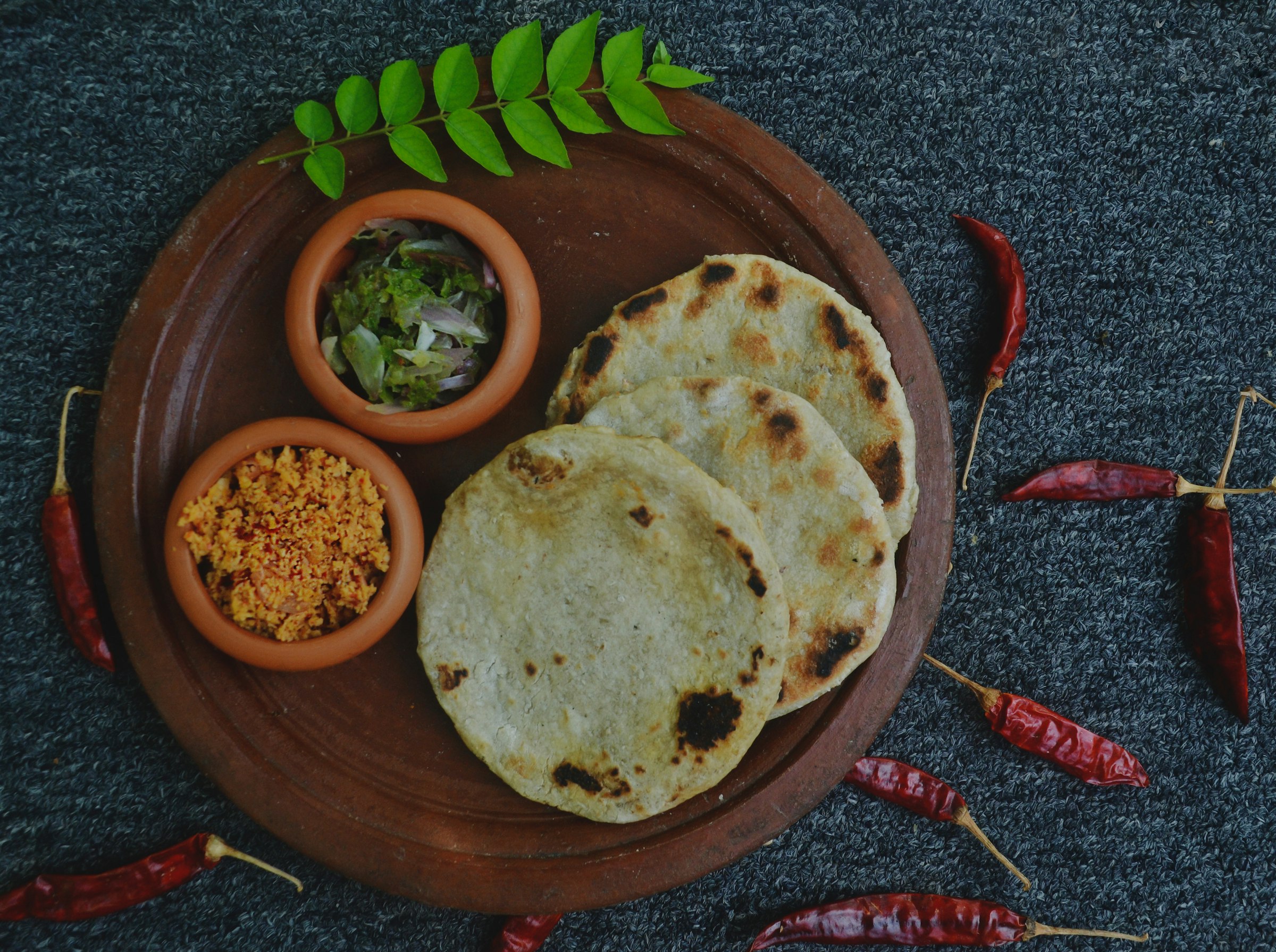
One of the world's most naturally plant-forward cuisines: red rice, jackfruit, coconut, gotu kola and a pharmacy's worth of everyday spice.
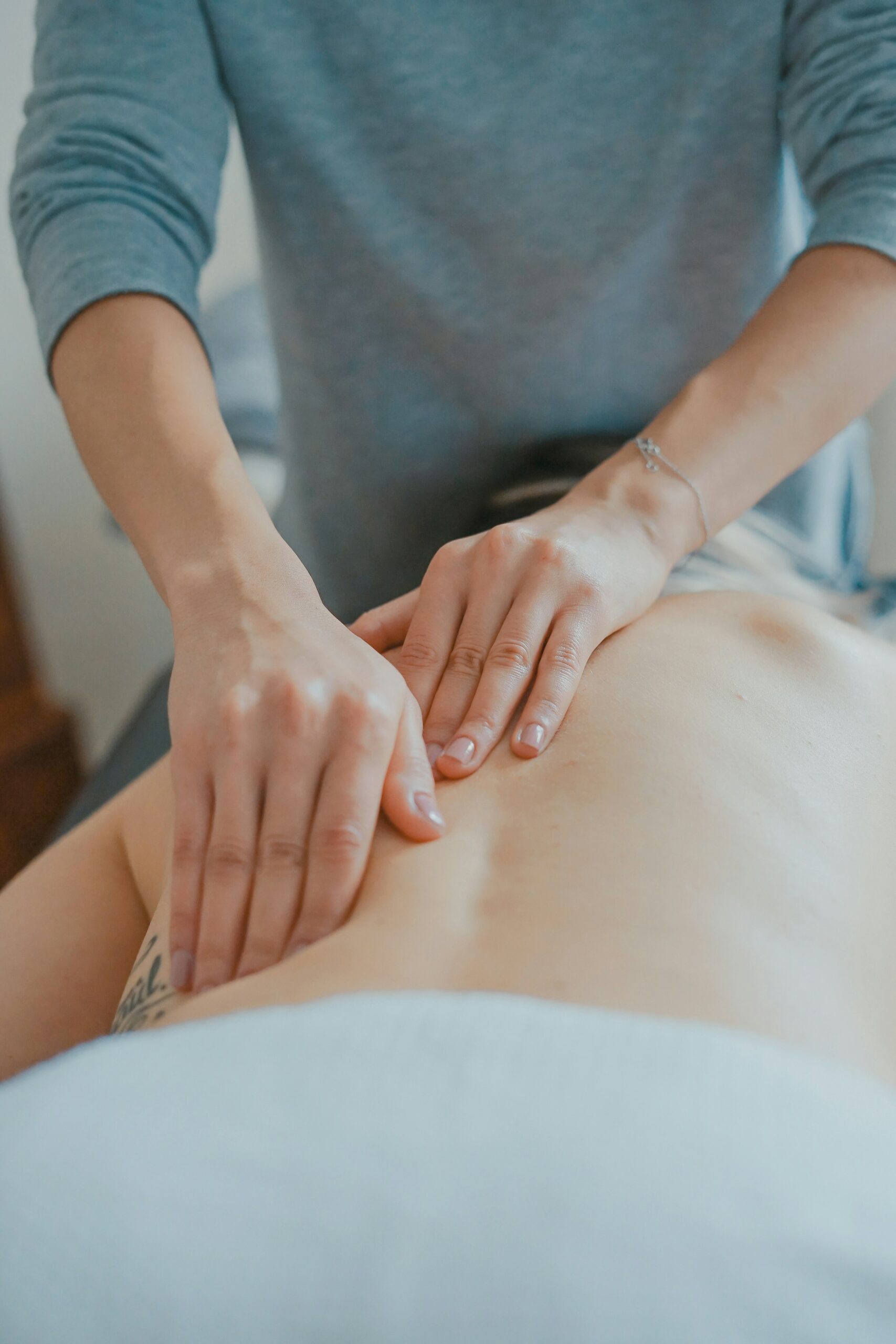
Ayurveda arrived in Sri Lanka more than two thousand years ago and merged with the island’s own indigenous system, Deshiya Chikitsa, built on local plants and passed through families.
Around 60 to 70 per cent of the rural population still turns to it first for everyday complaints. The Department of Ayurveda, established in 1961, sits inside the state health structure: it registers physicians, licenses medicine manufacture and inspects treatment centres. Sri Lanka is one of very few countries where a traditional system is regulated alongside conventional medicine rather than beside it.
For a traveller trying to judge whether a centre is legitimate, that register is the single most useful thing to ask about — and we ask it before we add anyone to our list.
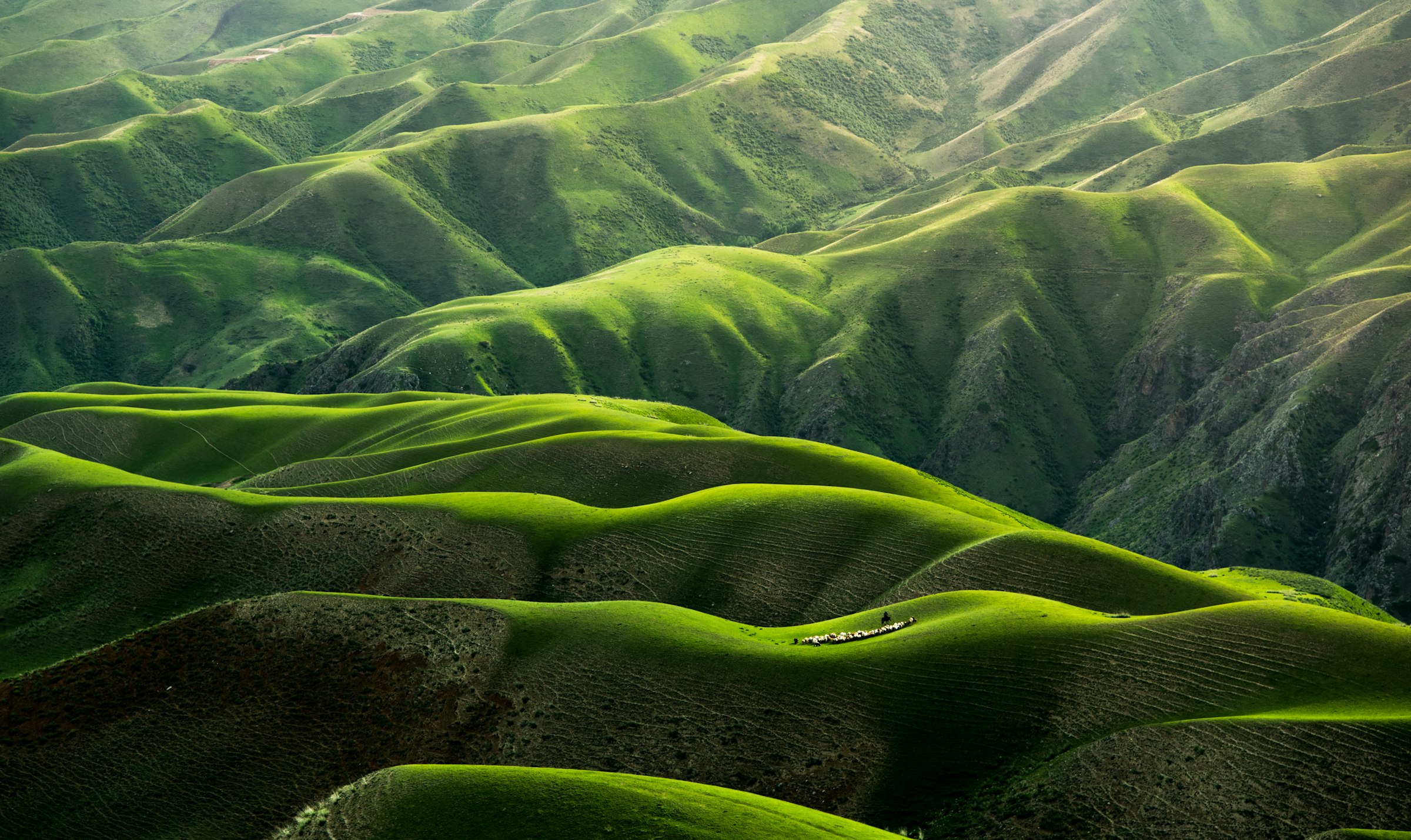
The island’s size does unusual work for a wellness journey.
You can take a morning treatment on the coast, walk under rainforest canopy the same afternoon, and sleep that night at 1,900 metres under a blanket in front of a wood fire. Lowland rainforest, cloud forest, montane grassland, dry-zone plains and 1,340 kilometres of coastline all sit within a few hours of each other.
It also means you are never far from an airport or a hospital — most of our partner centres are within three hours of Colombo, and the specialist Ayurvedic belt is ninety minutes away.
Theravada Buddhism arrived in the 3rd century BCE and Sri Lanka became the tradition’s textual heartland — the Pali canon was first written down on this island.
Vipassana and metta are taught in monasteries and meditation centres across the country, often to foreigners, frequently for nothing more than a donation. Poya days — each full moon — are public holidays, and the temples fill. None of this is arranged for visitors.
The practical effect is that a meditation morning here does not feel like an activity you have booked. It feels like joining something that was happening anyway.
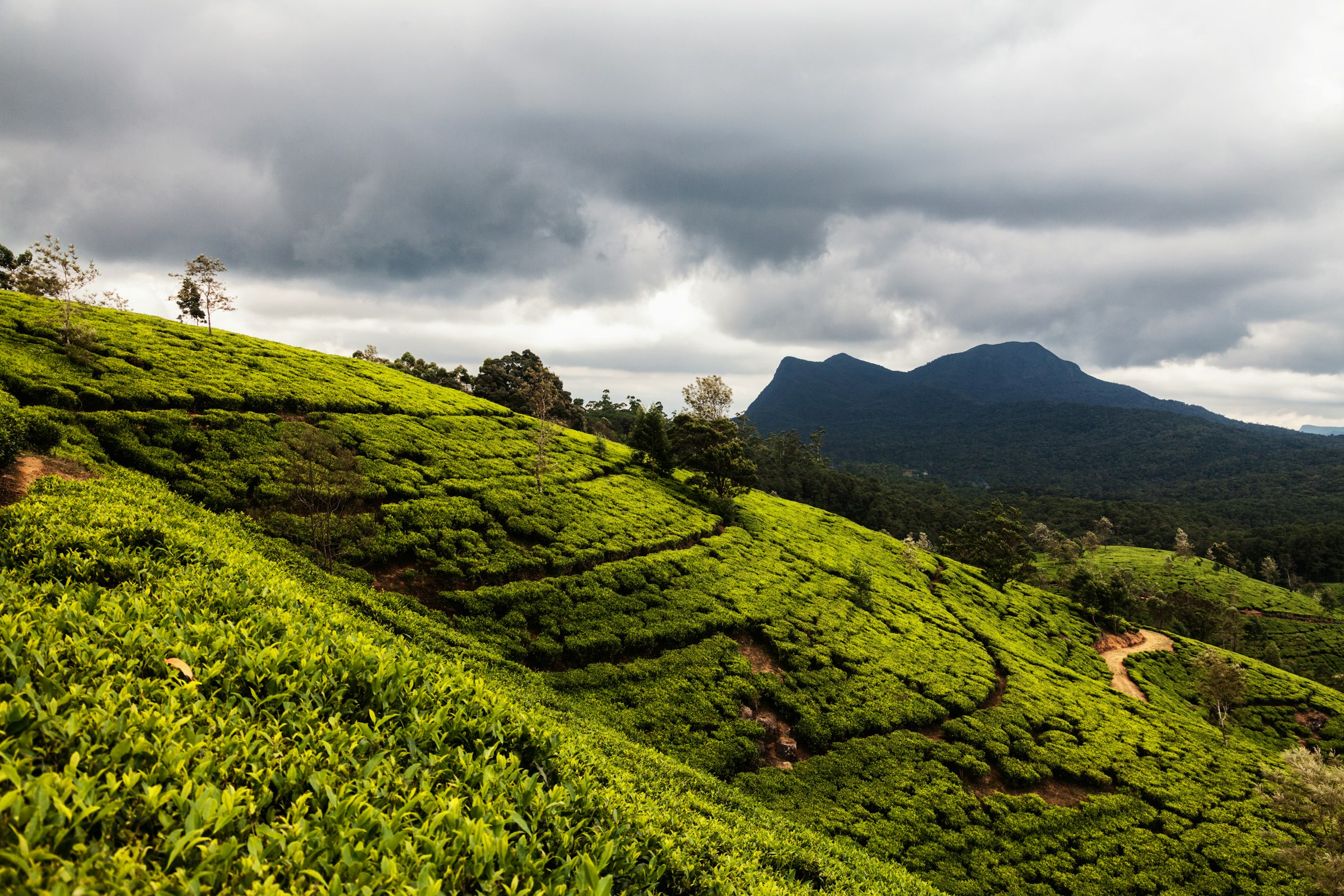
Ancient wisdom. Tropical nature. One island.
Sri Lanka is an unusually straightforward place to travel for wellness, and the reasons are mostly unglamorous.
What we will not tell you is that any of this replaces medical care. Ayurveda, yoga and meditation are traditional practices that many travellers find genuinely restorative. They support rest, sleep and wellbeing. They are not a treatment for illness, and a good physician here will say the same.
If the answer you need is not here, message us on WhatsApp — a real person replies, usually within a few hours.
It is one of the easiest places in Asia to begin. English is widely spoken, the wellness sector is long-established and regulated, most centres are within two to three hours of the international airport, and Ayurveda here is a normal part of everyday life rather than a tourist product. We routinely design first journeys for travellers who have never done anything like this before.
The island has two monsoons, so somewhere is always in season. For the west and south coasts and the hill country, December to April is driest. For the east coast, May to September. Ayurvedic centres operate year-round and many physicians consider the cooler, more humid months good for treatment. Tell us your travel window and we will match the destination to it.
Yes, and they are included in every journey. You are met inside the arrivals hall at Bandaranaike International (CMB) by a driver holding your name, with water and a cool towel in the car. Domestic connections, hill-country drives and the return transfer are all arranged for you.
Every partner is visited in person before we work with them, and revisited regularly. We check that physicians are registered with Sri Lanka's Department of Ayurveda, that therapists are trained and appropriately supervised, that treatment spaces are clean and private, and that the kitchen can genuinely cook to prescription. We decline more centres than we accept.
Tell us your dates and what you need. We will design the rest.